Laminating Machine Challenges in Infrastructure Integration
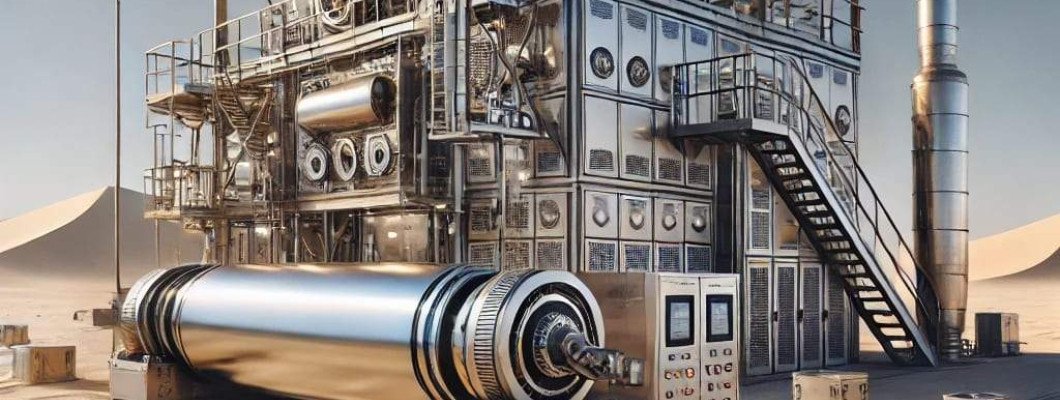
The Industrial Reality of Roll Laminators
For infrastructure managers, integrating new hardware like a Roll Laminator Single Side Laminating Machine into existing workflows can unveil unexpected challenges. Consider a high-traffic production facility handling various substrates. The introduction of a new laminator must harmonize with the entire printing and finishing lineup, demanding thoughtful attention to power requirements, thermal management, and spatial considerations.
Technical Deep-Dive into Integration Challenges
Thermal Management and Its Implications
One key challenge in utilizing industrial laminators lies in thermal management. These machines can generate significant heat, potentially impacting other sensitive equipment if not properly managed. Thermal dissipation strategies must be employed, often requiring additional HVAC adjustments or localized cooling solutions.
Power Supply and Electrical Requirements
The laminator’s electrical load is another critical factor. A typical industrial roll laminator might require a dedicated 220V line, with power consumption hovering around 2kW. This demands careful planning to ensure that facility circuits can handle the additional load without compromising other operations.
Spatial Integration within Existing Workflows
Finding an optimal placement within the production line is crucial. These machines can be bulky, with dimensions around 1500mm in length and 800mm in width. Space allocation requires balancing accessibility for operator efficiency and minimizing disruptions to existing pathways and processes.
Compliance with Safety and Environmental Standards
Ensuring compliance with safety standards is non-negotiable. Industrial laminators must adhere to guidelines such as CE certification in Europe or OSHA regulations in the US. This includes emergency shutdown protocols and ensuring operator safety with proper guarding and sensors.
System Integration and Network Connectivity
Modern laminators now often include network connectivity for remote monitoring and diagnostics. Integrating these systems with existing IT infrastructure requires collaboration with IT departments to ensure cybersecurity measures are effectively implemented.
Scenario Analysis
Let’s explore three scenarios:
Scenario 1: High-Volume Commercial Printer
A commercial printing facility integrating the laminator to streamline their finishing process might experience reduced throughput if spatial and thermal considerations are ignored. Proper pre-installation surveys and mock-ups can mitigate these issues.
Scenario 2: Educational Institution with Diverse Media
An educational institution using a laminator for diverse media types requires careful substrate handling capabilities. The integration must ensure that the machine can handle variable thicknesses without compromising quality.
Scenario 3: Government Agency with Regulatory Constraints
For a government agency, adherence to strict environmental regulations is essential. The laminator’s installation needs compliance verification and potentially additional air quality controls due to off-gassing during the laminating process.
Expert FAQ
What are the common power requirements for industrial laminators?
Typically, industrial laminators require a 220V line with a power draw of approximately 2kW.
How can I ensure thermal management for a laminator?
Implement localized cooling solutions and assess facility HVAC capability to handle additional heat dissipation.
What are the key spatial considerations during installation?
Ensure enough clearance for operation and maintenance, typically requiring a space of about 1500mm by 800mm plus operator area.
How do I achieve regulatory compliance?
Consult with an industrial safety engineer to verify CE or OSHA compliance and establish emergency shutdown procedures.
What role does network connectivity play?
Network connectivity enables remote diagnostics and monitoring, requiring robust cybersecurity measures.
Strategic Verdict
The Roll Laminator Single Side Laminating Machine presents an opportunity to enhance efficiency in diverse production environments. However, its integration presents several technical challenges. Infrastructure managers must carefully evaluate thermal, electrical, spatial, and regulatory factors to ensure seamless operation. As technology evolves, such considerations will remain pivotal in maximizing operational capacity and compliance.