
Key Factors When Choosing Between a T-Shirt Printer and a DTG (Direct to Garment) Printer
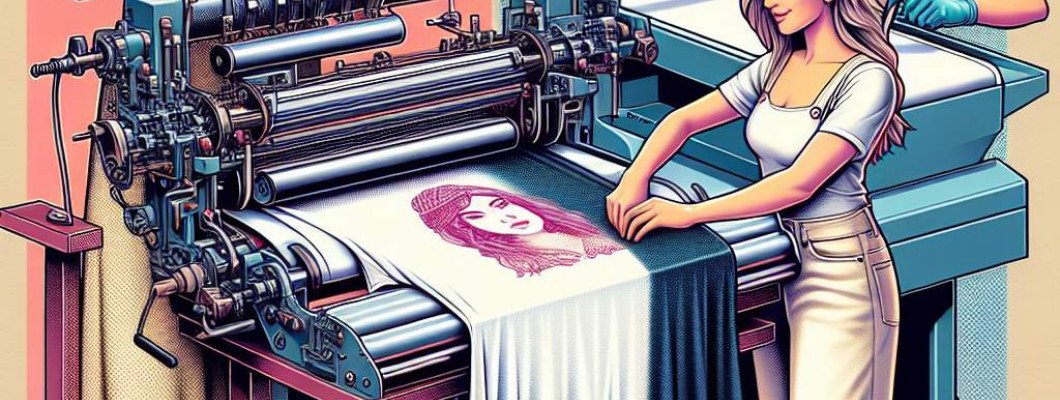
Key Factors When Choosing Between a T-Shirt Printer and a DTG (Direct to Garment) Printer
In the rapidly evolving world of custom apparel, printing technology plays a vital role in achieving high-quality designs efficiently. Whether you're starting a small business or expanding an existing operation, selecting the right printing system is crucial. Two popular options are traditional T-shirt printers and modern Direct to Garment (DTG) printers. Understanding their differences, advantages, and limitations can help you make an informed decision that aligns with your goals, budget, and production needs. This article explores the key factors to consider when choosing between these two printing solutions, offering insights to boost your business success.
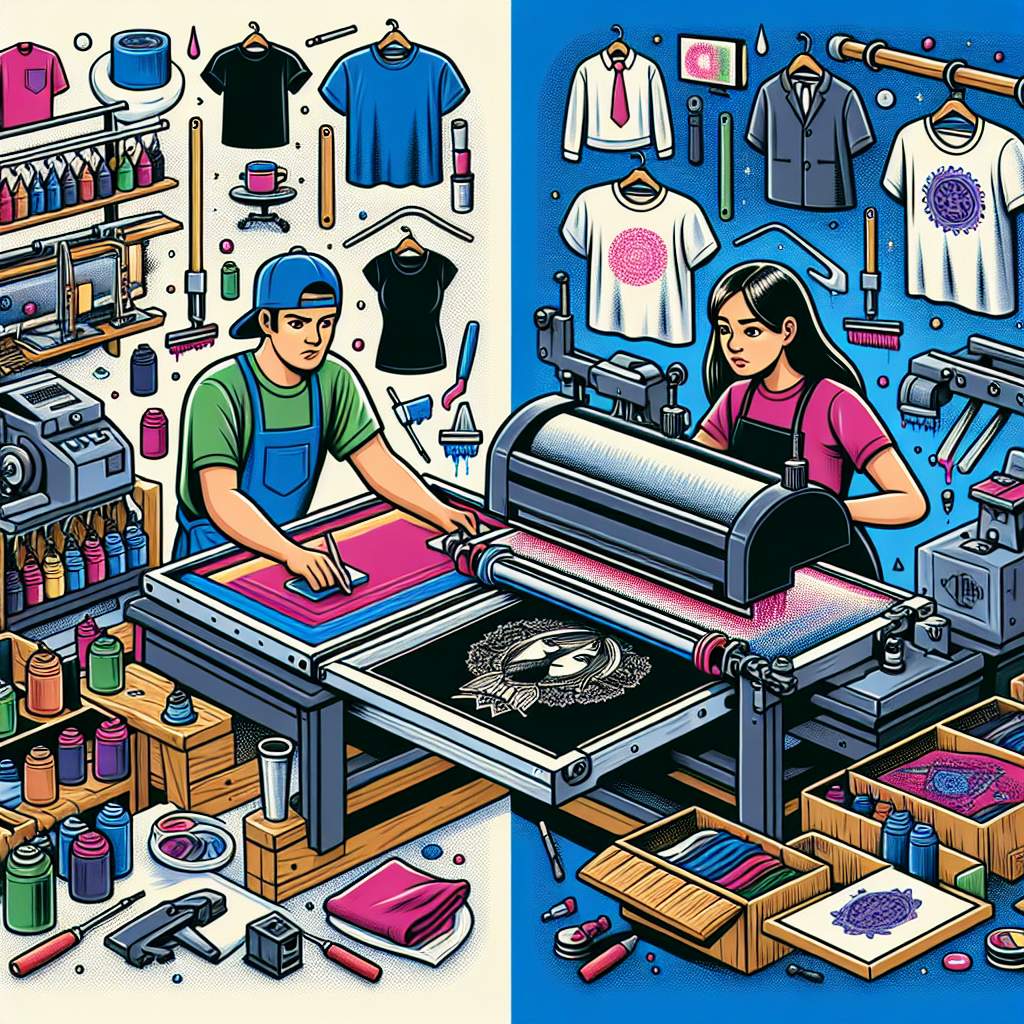
Understanding T-Shirt Printers and DTG Technology
A T-shirt printer usually refers to screen printing equipment or heat transfer systems designed for high-volume production. These methods have been staples in the industry for decades, offering reliable results for bulk orders. In contrast, a DTG (Direct to Garment) printer is a relatively newer technology that prints full-color images directly onto garments using specialized inkjet-like printers. Each technology has its niche, and choosing the right one depends on your specific needs and production scale.
Print Quality and Detail
One of the primary considerations is the quality and level of detail achievable. DTG printers excel in producing intricate, vibrant images with fine details and smooth color gradients. This makes them ideal for designs with complex artwork or photographic prints. Traditional T-shirt printing methods like screen printing may not handle such detailed images as crisply, especially in small batch or low-volume runs. However, screen printing can deliver excellent color vibrancy for simple designs with limited colors. Therefore, if your designs demand high detail and a wide color palette, a DTG system might be more suitable.
Production Speed and Volume
When it comes to speed and volume, traditional T-shirt printers, especially large screen printing setups, can handle massive orders quickly once set up. For high-volume production, these systems are cost-effective and efficient, making them ideal for bulk orders like promotional merchandise or apparel lines. Conversely, DTG printers are designed more for on-demand, low-to-moderate runs, and their printing speed can be slower per piece. If your business model involves frequent small orders or customized one-offs, a DTG system reduces setup time and allows fast turnarounds. Carefully consider your expected order volumes and turnaround times before making a choice.
Cost of Equipment and Maintenance
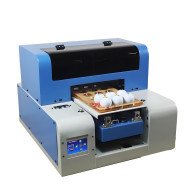
The initial investment varies significantly. A high-end T-shirt screen printing machine can cost tens of thousands of dollars but offers low per-unit costs once set up. Maintenance primarily involves screen cleaning, squeegee replacement, and ink costs. Meanwhile, a quality DTG printer, like the A3 DTG Printer, generally involves a substantial upfront expense—often close to or exceeding the price of traditional systems—but offers cheaper variable costs as it uses water-based inks that need regular cleaning and maintenance. Budgeting for ongoing maintenance and consumables is essential regardless of your choice.
Ease of Use and Skill Level
Operational ease is another important factor. Screen printing demands skills in creating screens, mixing inks, and handling the printing process, which can have a learning curve. It"s also more labor-intensive, especially when changing designs. Conversely, DTG printers are typically easier to operate, requiring less setup—just load the garment and print. However, maintaining print quality requires understanding machine calibration, ink management, and proper garment preparation. For beginners or small teams, a DTG system may simplify production and reduce training time.
Color Options and Design Flexibility
Design flexibility can be a deciding factor. Screen printing is limited in color variations—colors are achieved through mixing or separate screens—making multicolored designs more complex and expensive to produce. DTG printers, on the other hand, allow for unlimited full-color printing directly on garments, providing maximum flexibility for customized, detailed images. If your business relies on personalized designs or frequent color changes, a DTG system delivers unmatched versatility.
Environmental Impact and Sustainability
Modern consumers increasingly value eco-friendly products. DTG printing typically uses water-based inks that are more environmentally friendly compared to solvent-based screen printing inks. Additionally, DTG generates less waste as it doesn't require screens, stencils, or excess inks. However, it does consume electricity and water for cleaning and maintenance. Selecting a system aligned with sustainable practices can enhance your brand's reputation. For more eco-conscious options, consider researching equipment that uses sustainable materials and practices.
Space and Facility Requirements
Space considerations are critical. Large-scale screen printing setups require significant studio space, with room for screens, drying racks, and curing equipment. DTG printers are generally more compact, fitting into smaller studios or commercial spaces. If you are operating from a limited area, a DTG system can offer convenience and flexibility. Additionally, ensure your workspace has adequate ventilation and electrical capacity suited for your chosen equipment.
Long-Term Business Goals
Your future plans should influence your decision. If you aim for high-volume production with consistent quality, investing in a professional screen printing setup might be more cost-effective in the long run. However, if your focus is on creating unique, high-quality customized pieces with quick turnaround times, a DTG printer can provide an edge. Consider your growth projections, potential markets, and whether your business model aligns better with mass production or on-demand customization.
Hybrid Approach: Combining Technologies
Some successful businesses opt for a hybrid approach, leveraging the strengths of both systems. For example, using screen printing for bulk orders with minimal color variety and DTG for personalized, detailed designs. This strategy maximizes flexibility, cost efficiency, and the ability to meet diverse customer demands. If considering this approach, evaluate your space, budget, and operational capacity accordingly. You can explore some high-quality DTG systems like the A3 DTG Printer that can seamlessly integrate into your workflow.
Conclusion: Making the Right Choice for Your Business
Choosing between a T-shirt printer and a DTG system is ultimately a decision rooted in your business model, budget, and long-term goals. If you prioritize high-volume production, lower per-unit costs, and simple designs, traditional screen printing may be more suitable. Alternatively, for on-demand, detailed, and colorful customizations, DTG technology offers unmatched flexibility and quality. Carefully assess each factor—costs, speed, quality, space, and future growth—to determine which system aligns best with your vision. Remember, investing in the right equipment today can significantly impact your success tomorrow. For a state-of-the-art DTG solution, consider exploring the A3 DTG Printer that combines quality and efficiency to elevate your apparel printing business.














Leave a Comment