Is Your UV Printer a Hidden Money Pit or a Secret Weapon?
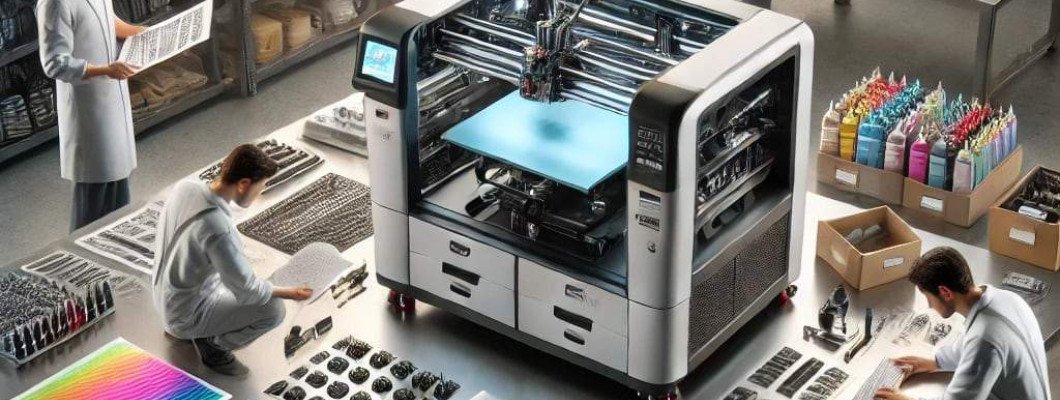
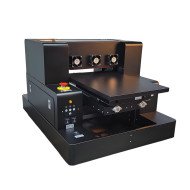
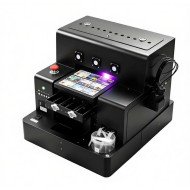
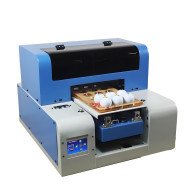
Imagine you’ve invested heavily in a new A2 Size UV Printer, dreaming of embossed glossy prints that dazzle clients and boost your reputation. But what if behind the glossy finish lies a series of unexpected costs that quietly drain profits? Let's uncover what truly goes on beneath the hood of your latest tech acquisition.
Key Insight: Hidden costs can often surpass upfront expenses.
Your typical day begins, and the challenges of printing perfection are ever-present. Sure, the print quality is impeccable, and the UV technology offers versatility. But maintenance costs, often unnoticed, begin accumulating silently in the ledger. You heard it right—the need for reliable, sometimes pricey spare parts. With each embossed print, the wear and tear escalates, leading you down a path to possible budgetary strain.
Breaking Down Hidden Maintenance Costs
Let's dissect the reality. Your UV printer includes several critical components—the lamps, curing systems, ink delivery mechanisms—all demanding vigilant upkeep. Consider this: An average UV lamp lasts for 1,000 hours, costing upwards of $250 to replace. Multiply that by several lamps throughout the year, and suddenly, you're looking at a significant operational expenditure.
Your inks, specialized for UV curing, might require attention as well. Each run must compensate for pigment separation issues, enhancing viscosity, which adds to labor costs. Remember the day you needed extra care during ink refill, or else it would be another stain on your bill? These seemingly minor interventions swell maintenance budgets.
Comparative Industry Analysis
If you're focused on glossy UV printing, rival technologies beckon consideration. Direct comparisons between DTG and UV might reveal UV's versatility in embossing, whereas DTG shines with textile flexibility. However, DTG lacks when confronted with vibrancy on non-textile surfaces, an area where UV excels. Yet, UV’s capital and upkeep rapidly demand the attention of a diligent accountant.
Math of Efficiency and Cost
Let's calculate: Your printer runs a batch job consuming 500ml of ink at $0.20/ml, total cost $100 per batch in ink alone. Factor in electricity, skilled operators, and time efficiency—each print spot needs careful drying due to high gloss demand. Can you truly achieve ROI if auxiliary expenses keep mounting?
Operational Realities You Can't Ignore
Your pressing need: Optimal machine health. Many enterprises opt for a contracted tech support team to maintain boilers, fans, and filters—annual costs can extend into thousands. With each precious hour spent in downtime, potential projects lay stalled, clients might look elsewhere, and your profits could stagnate.
A Common Underestimation: Environmental Compliance
This complex dance involves adherence to regulations when managing potentially hazardous waste like ink and solvent disposal. Breach compliance, and heavy fines are inevitable. Are aggressive cost-cutting measures truly worth risking legal penalties?
What If...
Imagine a small design firm buys the printer for quality but doesn’t budget for upkeep. They'll feel squeezed under maintenance costs, forcing compromises in product quality. Customers start complaining; reputation shrinks.
Envision a medium enterprise fully aware of expenses pressures, hiring skilled technicians. They harness the printer's full potential, absorbing costs with improved margins. Customer satisfaction peaks; their brand flourishes.
Visualize a tech startup using projected cost estimates to win funding. Yet, actual costs outstrip forecasts—sophisticated investors demand accountability as startup clout fades.
Expert Q&A
- Why does UV printed material need specific handling?
Due to the material's sensitivity to light and solvents, curing must occur meticulously to avoid degradation.
- How often should UV components undergo replacement?
Biannually for active parts like lamps ensures peak performance without compromising quality.
- What's the environmental impact of UV waste?
Improper disposal can lead to significant ecological harm; compliance is crucial for ethical operations.
- How do operational costs stack against DTG or DTF?
UV holds a high upfront but stable output cost, DTG offers cheaper running but limited material compatibility.
- Are UV printers capable of scaling operations?
Yes, but scalability depends on strategic investments in both tech upgrades and personnel expertise.
The Verdict
Consideration of UV printer investment requires robust planning against hidden expenses. While performance is unmatched, strategic budgeting must align with operational realities. Explore options at GNFEI.COM today to navigate the complexities.