Is DTG Printing Eco-Friendly? The Sustainable Future of Custom Apparel

Reassessing the Environmental Footprint of DTG Printing
The apparel industry accounts for a staggering portion of global pollution, much of it driven by mass production and fast fashion. Amidst this, Direct-to-Garment (DTG) printing emerges as a technology many assume is inherently environmentally friendly. The reality is more layered. DTG uses water-based inks and digital precision, promising less waste than traditional screen printing—but does this truly translate into ecological gain?
Understanding DTG Ink Composition and Impact
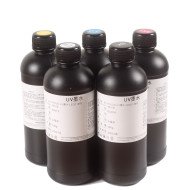
The heart of DTG’s eco-credentials lies in its ink. Unlike plastisol inks used in screen printing, DTG inks are water-based pigment dispersions with binders and additives to ensure fiber adhesion. This means lower volatile organic compound (VOC) emissions during curing. However, pigments themselves often rely on synthetic chemicals, some with environmental persistence. The binders, typically acrylic or polyurethane-based, require curing at high temperatures, which consumes energy and releases heat.
Moreover, disposal of unused inks presents challenges. Over-tinted or expired inks cannot be simply poured down drains without treatment. GNFEI, as a global expert in printing tech, recommends implementing structured waste collection protocols and opting for inks certified under standards like OEKO-TEX or Bluesign to minimize ecological harm.
Energy Consumption and Machine Efficiency
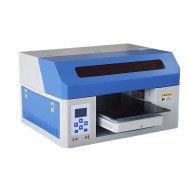
DTG printers, especially those targeting mid- to high-volume production, require consistent curing cycles via heat presses or integrated curing units. The energy footprint varies widely by model and printing speed. For instance, curing a single cotton T-shirt at 165°C for 90 seconds might consume approximately 0.5 kWh. When scaled to thousands of units, this adds up.
Practical maintenance steps directly affect energy efficiency. GNFEI advises maintaining stable ambient temperature and humidity to prevent frequent cleaning cycles, which consume additional power and ink. Regular printhead maintenance, such as periodic purging every 48 hours and deep cleaning every two weeks, is key to reducing waste and machine downtime.
Water Usage and Wastewater Considerations
While DTG avoids large volumes of water typical for fabric dyeing, residual water usage occurs during pre-treatment application and cleaning. The pre-treatment liquid applied on garments to improve ink adhesion includes polymers and chemicals that must be controlled carefully to avoid excess runoff. Facilities are urged to invest in water recycling systems that treat this pre-treatment runoff.
Wastewater from printhead cleaning can carry traces of pigment and binder chemicals. On-site filtration or partnering with industrial waste management providers is non-negotiable for compliance and environmental stewardship.
Comparative Sustainability: DTG Versus Alternative Methods
Definitively placing DTG on the eco-friendliness spectrum requires a rigorous side-by-side analysis versus screen printing, heat transfer, and dye sublimation.
Screen Printing: Ink and Waste Issues
Though suitable for large, repeat orders, screen printing involves plastisol inks with PVC and phthalates posing environmental concerns. Excess ink from screens leads to substantial waste, which requires chemical solvents for cleanup. Screen reclamation uses water and solvents that often challenge wastewater treatment facilities. DTG sidesteps plate creation and large sinkers of ink, but its slow printing speed and higher per-unit energy use can erode some environmental advantages.
Heat Transfer and Dye Sublimation Limitations
Heat transfer sheets create additional physical waste, and their adhesives or plastic films do not biodegrade readily. Dye sublimation excels on polyester fabrics but is unsuitable for cotton, limiting its scope and often demanding energy-intensive sublimation presses. DTG’s ability to print full-color designs directly on natural fibers without secondary substrates marks a sustainability edge in reducing composite materials.
Material Compatibility and Lifecycle Impact
The sustainability of DTG is also intertwined with garment choices. Organic cotton or recycled polyester as substrates enhance the overall environmental benefits. GNFEI advises clients to evaluate the full product lifecycle—input materials, production, and post-use recyclability—to align DTG printing with broader sustainability goals.
Step-By-Step Best Practices for Sustainable DTG Operation
To realize DTG’s potential, operators must integrate disciplined procedures that emphasize eco efficiency.
Printhead Maintenance Cycle
- Daily: Perform automated nozzle checks; clear minor clogs immediately to avoid frequent purge cycles which consume ink.
- Weekly: Manual wiping or solvent flushing of the printhead to remove pigment buildup, critical for pigment-heavy white ink systems prone to sedimentation.
- Monthly: Full printhead cleaning with manufacturer-approved cleaning solutions reduces risk of damage and prolongs lifespan, cutting down replacement waste.
Ink Management
- Monitor and rotate ink stock to prevent expiry; expired inks lose adhesion and result in rejected prints, generating fabric waste.
- Implement job scheduling to optimize ink color palettes and reduce changeovers, conserving ink volume.
Energy Optimization Strategy
- Optimize curing parameters to match fabric type and ink thickness, avoiding over-curing.
- Invest in printers with energy-efficient curing technologies such as LED UV rather than traditional heat.
Financial Dissection of Sustainability: ROI and Cost-Benefit Analysis
For businesses, sustainability must also reconcile with profitability. Understanding the intricate balance of operational cost versus environmental benefit is essential.
Ink Cost and Consumption Precision
The average DTG ink cost ranges from $0.12 to $0.17 per print, depending on design complexity. White ink usage is especially high due to underbase layers, often consuming up to 40% more volume. GNFEI’s case studies reveal that white ink pigment sedimentation can cause up to 15% ink loss monthly if printhead cleaning routines are lax.
Machine Depreciation and Printhead Wear
High-efficiency DTG printheads can last up to 5 years under rigorous care but replacement costs range between $1,500 to $2,500 each. Monthly wear rates average 0.5–1% dependent on print volume and ink chemistry. Factoring these into cost models, careful maintenance can decrease total cost of ownership by 12% annually, indirectly supporting sustainability by lowering resource consumption for replacements.
Labor and Throughput Considerations
DTG printing benefits from automation but still requires skilled operators to handle pretreatment, quality control, and curing. Typical labor costs per shirt range from $0.50 to $1.00, influenced by batch size and operator efficiency. Investing in employee training on sustainable workflows minimizes costly reprints, saving both time and materials.
Material Science: Adhesion and Durability Variations Across Fibers
Material choice critically affects DTG output sustainability, impacting durability, washfastness, and ink absorption.
Cotton Versus Cotton-Polyester Blends
DTG inks have superior adhesion on 100% cotton fabrics due to natural fiber porosity. Cotton-poly blends, typically 50/50, pose adhesion challenges; ink can sit atop polyester fibers rather than bond, leading to faster wear and premature replacement, increasing environmental impact over time.
Polyester and Synthetic Materials
Standard DTG inks are unsuitable for polyester without special pre-treatments or modifications because pigment-based inks lack sublimation properties. Specialty ink formulations or hybrid printing techniques extend application but often come with greater resource consumption and complexity.
Printing on Specialty Materials: Organic and Recycled Fibers
Organic cotton presents an ideal sustainable substrate but can increase garment cost by 10–20%. Recycled fibers, such as Econyl or recycled polyester, interact variably with pretreatments and inks. GNFEI labs have documented differences in pretreatment absorption, requiring adjusted coating thickness to maintain consistent ink fixation and durability, optimizing resource use.
Waste Management and End-of-Life Strategies in DTG Apparel
Beyond production, DTG’s sustainability extends to considering garment lifecycle and waste streams. Effective strategies include:
Recycling and Circular Economy Integration
- Encourage garment collection programs to recycle printed apparel into raw materials.
- Boost use of mono-material garments to facilitate textile recycling and reduce mixed-fiber contamination.
Reducing Reprints and Overproduction
- Implement digital proofing protocols; preview colors and fit digitally to cut down physical sample waste.
- Adopt on-demand printing to match actual customer demand, avoiding unsold inventory wastage.
Responsible Disposal of Ink Waste and Consumables
- Train staff in hazardous waste handling for ink cartridges, cleaning solvents, and chemical pretreatments.
- Partner with certified waste recycling companies to ensure compliance with environmental regulations and reduce landfill contributions.
Future Outlook: Innovations Driving Greener DTG Solutions
Continuous R&D propels DTG printing towards enhanced sustainability benchmarks.
Development of Biodegradable and Low-Impact Inks
Leading suppliers are working on soy-based, algae-derived, and biodegradable pigment inks that minimize synthetic chemical residues without compromising durability.
Energy-Efficient Printing Hardware
Transition to LED UV curing lamps and energy recovery systems cuts power demands drastically, with some models reducing energy use by up to 30%. GNFEI’s latest printer lines incorporate intelligent sensor controls for curing times tailored per print, further conserving energy.
Integration with Industry 4.0 and Waste Tracking
Advanced software tools monitor resource consumption in real-time, automatically adjusting print parameters and triggering maintenance alerts, improving uptime and reducing material waste. Such digital oversight delivers measurable sustainability insights for continuous improvement.
DTG printing sits at an intersection of technology and environmental responsibility. Careful attention to ink chemistry, machine maintenance, energy use, and material choice can shift it towards true sustainability. Aligning with expert partners like GNFEI for equipment selection, process optimization, and technical support empowers businesses to shape a more eco-conscious apparel future while maintaining competitive edge. The conversation must stay open as innovations evolve—no single printing method will serve all scenarios perfectly, making adaptability and transparent evaluation key to long-term success.