
Interior décor and custom furniture makers expanding creative freedom with uv flatbed printer powered surface design
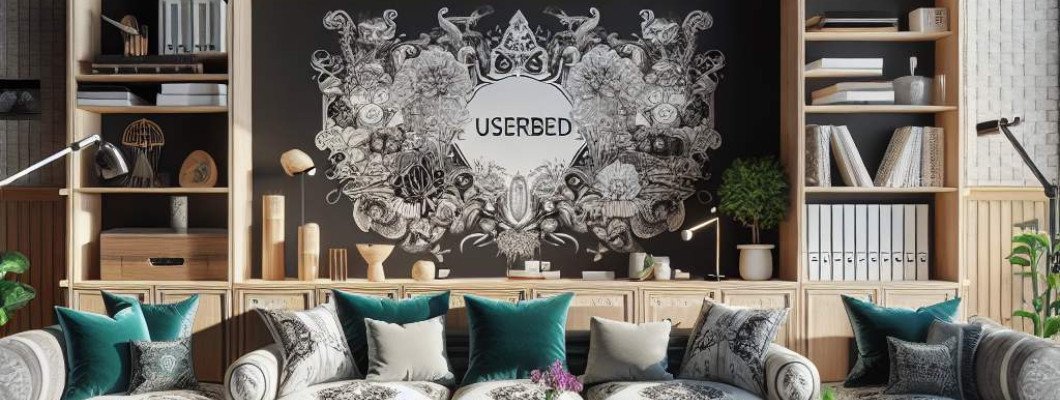
Are you struggling to stand out in the crowded world of interior décor and custom furniture? Do you feel limited by traditional surface design methods? If so, you're not alone. Many interior designers and furniture makers are seeking innovative ways to elevate their craftsmanship and truly differentiate their creations. The answer lies in embracing cutting-edge technology—specifically, UV flatbed printers that are transforming surface design with limitless creative freedom. When you explore the potential of a UV flatbed printer, like those available from GNFEI, you're opening a new chapter of limitless possibilities for your projects. This technology isn"t just a tool; it"s a game-changer that empowers artisans to push boundaries and realize visions previously thought impossible.
Unlocking Creative Freedom in Interior Décor and Furniture Making
Traditional surface decoration methods—such as painting, carving, or veneer application—offer limited scope for innovation and customization. They can be time-consuming, costly, and often restrict designers to pre-existing patterns or flat colors. But with the advent of UV flatbed printing technology, the game changes entirely. This innovative printing allows for high-resolution, detailed, and vibrant images or designs directly onto various materials—wood, glass, metal, acrylic, and more—bringing room for true artistic expression.
Imagine creating a statement piece with a photo-realistic landscape on a coffee table or adding intricate, personalized graphics to headboards. It"s possible now because UV flatbed printing offers **precise, durable, and versatile surface design** options. These printers use ultraviolet light to cure the ink instantly, resulting in durable, scratch-resistant surfaces suitable for everyday use. Such durability ensures your custom furniture remains visually stunning over time, even with regular wear and tear.
How UV Flatbed Printing Enhances Your Interior Projects
Adopting UV flatbed printers means more than just applying images onto furniture—it"s about expanding your creative capacity and meeting diverse client demands. Here"s how this technology raises your game:
- Unlimited Design Possibilities: Print anything from complex patterns, photographs, branding logos, or abstract art. The digital nature of UV printers means no limits on detail or scale.
- Fast Turnaround: Direct printing saves time compared to traditional methods, enabling quicker project completion.
- Cost-Effective Customization: Achieve high-end designs without expensive molds or multiple production steps, reducing overhead costs.
- Material Versatility: Print onto a variety of surfaces and materials—wood panels, glass surfaces, metals, plastics, and more—broadening your design options.
- Eco-Friendly Solutions: UV curing inks are often less toxic and produce fewer emissions, aligning with sustainable manufacturing practices.
Suppose you want to design a feature wall with a textured, visual story or produce bespoke furniture that tells a personal narrative. The UV flatbed printer makes this possible by printing high-quality images directly on the surface, creating a seamless, integrated aesthetic. This elevates your products from mere furniture to artistic statements.
Practical Tips for Integrating UV Flatbed Surface Design in Your Workflow
Transitioning to UV flatbed printing may seem daunting initially, but here are some practical tips to optimize your process:
- Choose the right printer: Select a UV flatbed printer with the resolution, material compatibility, and size that fits your typical projects. Learn more about GNFEI"s offerings.
- Prepare your designs properly: Use high-resolution images and ensure your artwork is color-managed for best results.
- Test on sample materials: Before printing on final pieces, test your designs on sample surfaces to adjust ink settings and ensure color accuracy.
- Maintain your equipment: Regular cleaning and calibration maintain print quality and prolong the lifespan of your machine.
- Stay updated on new techniques: UV printing technology evolves rapidly. Following industry innovations helps you stay ahead.
By incorporating these tips, you"ll streamline your workflow and maximize the creative potential of UV surface printing. This investment isn"t just about equipment—it's about redefining what"s possible in interior décor and custom furniture creation.
Case Studies: Real-World Examples of UV Flatbed Printing Success
Several designers and furniture brands already harness this technology to differentiate their offerings. For example, a boutique furniture maker in Italy started printing intricate, artist-designed patterns on custom wardrobes. The result: high-end pieces with unique, personalized visuals that attract premium clients. Their business grew rapidly due to the uniqueness of their products and quick turnaround times.
Similarly, a hotel chain incorporated UV-printed murals on headboards and bathroom mirrors—transforming simple spaces into immersive experiences. Such innovations showcase how UV surface design not only elevates aesthetics but also enhances customer engagement and satisfaction.
Whether it"s a single bespoke piece or a batch of stylish furniture, UV flatbed printing offers flexibility and precision at every stage. It"s the tool that transforms your ideas into tangible, market-ready products faster and more efficiently.
FAQs about Interior Décor and Custom Furniture with UV Flatbed Printing
Q1: What materials can I print on with a UV flatbed printer?
A: UV flatbed printers are compatible with a variety of materials including wood, glass, metal, acrylic, PVC, ceramics, and plastics, allowing for versatile surface design options.
Q2: How durable are UV printed surfaces? Can they withstand daily wear?
A: Yes. UV inks are cured instantly with ultraviolet light, creating scratch-resistant, water-proof, and fade-proof surfaces suitable for daily use.
Q3: Is UV printing suitable for small or large-scale projects?
A: Both. UV flatbed printers are flexible enough to handle small custom pieces as well as larger installations and furniture pieces efficiently.
Q4: How long does it take to get a project printed and ready?
A: Turnaround times depend on the complexity and size of the design, but UV printing generally reduces production time significantly compared to traditional methods.
Q5: Is UV surface printing eco-friendly?
A: Many UV inks are low in volatile organic compounds (VOCs), making them a more sustainable option. Additionally, the instant curing process minimizes waste and energy use.
```














Leave a Comment