
Innovative Solutions in Apparel Manufacturing: Exploring the Latest T-Shirt Printing Machines
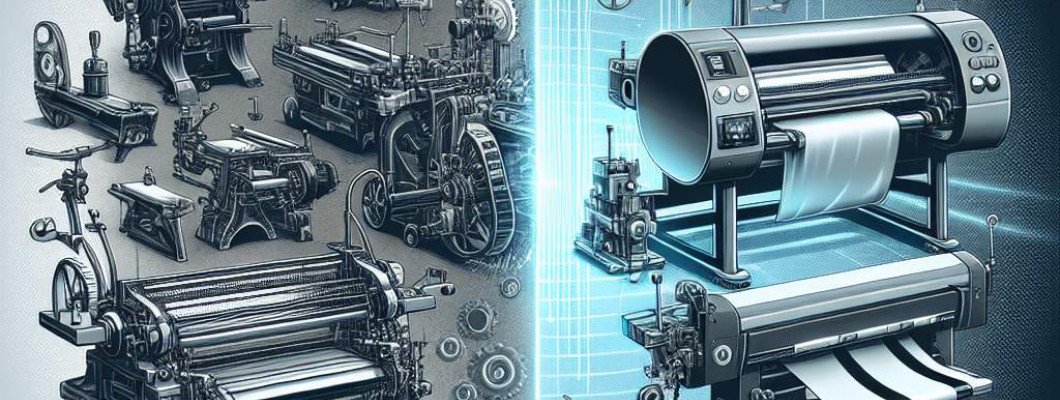
Struggling to produce high-quality custom t-shirts quickly and consistently?
If you're in the apparel business or thinking about starting one, you"ve probably wondered how to elevate your garment printing game. Maybe you've heard about different printing methods but aren"t sure which to choose. That's where a t-shirt printing machine or garment printer comes into play. These machines are the backbone of modern apparel customization, offering efficiency, precision, and vibrant results. Let"s dive into what makes these machines a game-changer for anyone serious about garment printing.
Understanding the Basics of a T-Shirt Printing Machine
What Exactly Is a Garment Printer?
At its core, a garment printer is a digital device designed to print directly onto fabrics like t-shirts, hoodies, and other apparel. Unlike traditional screen printing, which involves creating stencils for each design, digital garment printers can produce detailed images with a single pass. This means faster turnaround times and the ability to print small batches or even individual shirts without setup delays.
Types of T-Shirt Printing Machines
- Direct-to-Garment (DTG) Printers: These are the most popular for small to medium runs. They print directly onto the fabric with water-based inks, offering vivid colors and fine detail.
- Sublimation Printers: Ideal for polyester fabrics, sublimation produces vibrant, long-lasting images by turning ink into gas and embedding it into the material.
- Screen Printing Machines: Better suited for bulk production, but require more setup and are less flexible for custom or small runs.
If you"re just starting out or focusing on small batches, a direct-to-garment printer is often the best choice. It balances quality, speed, and ease of use.
Benefits of Using a Garment Printer for Your Business
High Quality and Detail
Modern garment printers deliver crisp, vibrant images with intricate details. This is especially important if you"re printing logos or photo-realistic designs. Customers expect their apparel to look professional, and digital printers help you meet those high standards.
Quick Turnaround and Flexibility
Unlike screen printing, which needs screens prepared in advance, digital garment printers allow for on-the-fly printing. Want to add a last-minute design or personalize each shirt for a special event? No problem. Your customer service will thank you for the quick delivery.
Cost-Effective for Small Batches
- No need for expensive screens or setup fees.
- Print exactly what you need, reducing waste.
- Easy to switch designs without extra costs.
If you"ve ever struggled with minimum order quantities or heavy setup costs, a garment printer helps you keep your initial investment low and flexible.
Choosing the Right Garment Printer for Your Needs
Consider Your Production Volume
If you plan to do small runs or custom orders, a DTG machine will serve you well. For larger batches, you might explore screen printing or hybrid setups.
Evaluate Ink Compatibility and Material Types
Different printers work best with specific fabrics. Check if your desired machine can handle cotton, polyester, or blends. Also, look into the type of inks used—water-based inks are popular for eco-friendliness and soft finishes.
Cost and Investment
High-end garment printers come with a higher price tag but also offer better durability, faster speeds, and superior color fidelity. Balance your budget with your projected sales and quality requirements.
Maintaining Your T-Shirt Printing Machine
Regular Cleaning and Calibration
To keep your prints sharp and colors consistent, routine maintenance is critical. Follow the manufacturer"s guidelines for cleaning print heads and calibrating colors. Proper care extends your machine"s lifespan and prevents costly downtime.
Software and Firmware Updates
Stay updated with the latest software updates. They often include bug fixes, new features, and color management improvements that keep your production smooth and your output top-quality.
Real-life Success: Turning Ideas into Revenue
Take Sarah, for example. She started her custom apparel shop with a modest budget. She chose a versatile direct-to-garment printer and quickly learned how to produce vibrant shirts for local businesses and events. Her turnaround time shrank, and her customers kept coming back. Now, her business is thriving, thanks in part to the right garment printer supporting her growth.
FAQs About T-Shirt Printing Machines and Garment Printers
1. How long does it take to learn to operate a garment printer?
Most users find they can get comfortable within a few days to a week, especially with proper training or tutorials. The key is to understand basic maintenance and color management.
2. Can I print on different fabric types with a DTG printer?
Many modern DTG printers handle cotton and blends well. For polyester fabrics, sublimation or specialized inks might be necessary. Always check the machine specifications before purchasing.
3. What is the typical lifespan of a garment printer?
With proper maintenance, a quality garment printer can last 5–10 years. Regular cleaning and timely replacements of parts like print heads keep it running smoothly.
4. Is it worth investing in a garment printer for small businesses?
Absolutely. If you want to offer custom designs without huge upfront costs or minimums, digital garment printers provide flexibility, speed, and high-quality results.
5. How important is ink quality?
Very. High-quality inks produce better colors, last longer, and are more environmentally friendly. Cheaper inks can lead to poor washability and faded designs.
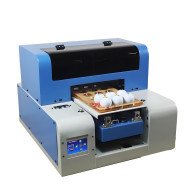
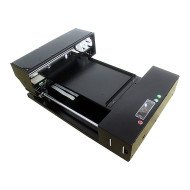
Looking for reliable equipment? Check out this advanced garment printer designed for small to medium-sized business needs. It"s a solid choice to help you produce professional-grade apparel with ease.













Leave a Comment