
Innovative Solutions for Custom T-Shirt Printing with DTG Technology
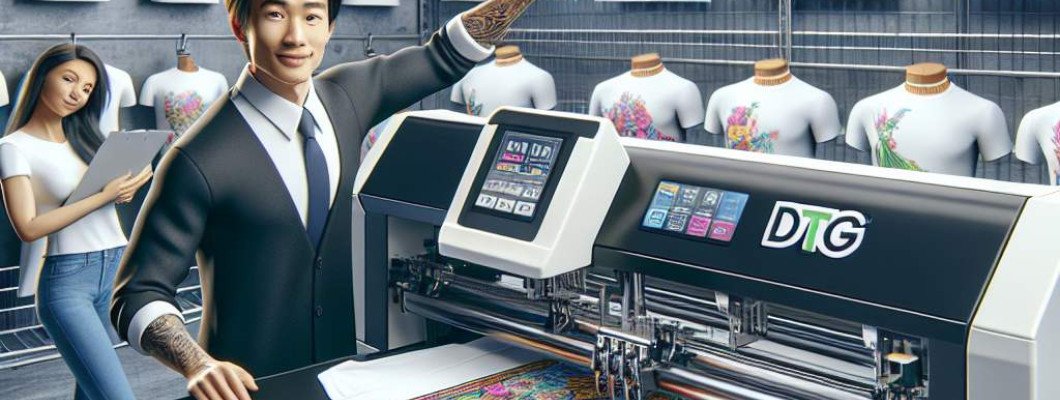
Struggling to produce high-quality custom T-shirts easily? Discover how a DTG printer can change your game.
When I first started exploring options for custom T-shirt printing, I was overwhelmed. The traditional methods like screen printing were too slow, costly for small orders, and not flexible enough for detailed designs. That"s when I heard about Direct-to-Garment (DTG) printers. Honestly, once I made the switch, everything changed. If you"re looking for a reliable, high-quality, and efficient way to create custom apparel, a DTG printer might be exactly what you need.
What Is a DTG Printer and Why Should You Care?
Understanding the Basics of DTG Technology
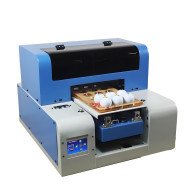
A DTG printer is essentially a high-tech inkjet printer designed specifically for fabric. It sprays specially formulated inks directly onto the textile, allowing you to produce vibrant, detailed designs that feel soft on the fabric. Unlike screen printing, which requires screens and setups for each design, DTG printing allows for quick adjustments and small batch productions.
Benefits of Choosing a DTG Printer for Your Business
- High-quality, detailed images – Perfect for intricate designs and photos.
- Cost-effective for small orders – No need for expensive screens or setups.
- Fast turnaround times – Ideal for on-demand printing.
- Soft feel on fabric – The ink integrates with the fabric, so your shirts feel natural.
- Flexible designs – Make changes on the fly without extra costs.
Honestly, I saw my small business grow when I started using a DTG printer. Customers loved the detailed, vibrant prints, and I could handle orders of any size without delays or extra expenses. It"s a no-brainer if you want to compete with larger brands but don"t want to invest in bulk printing equipment.
Choosing the Right T-Shirt Printer for Your Needs
What to Look for in a DTG Printer
Not all DTG printers are created equal. When selecting one, consider these factors:
- Print resolution: Higher DPI means more detailed images. Aim for at least 720 x 1200 DPI.
- Color capabilities: Does it handle white ink well? Can it print in full RGB?
- Print bed size: Make sure it fits your typical shirt sizes and designs.
- Ease of use and maintenance: User-friendly interfaces save time and reduce errors.
- Ink cost and availability: Cheaper inks reduce ongoing expenses.
Budgeting for a DTG Printer
High-end DTG printers can be a significant investment, but there are options for every budget. Think about your expected production volume and quality needs. I recommend balancing initial costs with long-term expenses like ink and maintenance. Remember, choosing a reliable model will save you headaches down the line.
Operational Tips for Getting the Best Results with Your DTG Printer
Preparing Your Files
- Use high-resolution images: At least 300 DPI for sharp details.
- Convert colors properly: Work in RGB color mode for best printing results.
- Consider the shirt material: Cotton or cotton blends work best with DTG.
- Use a design software: Adobe Photoshop or Illustrator can give precise control.
Printing Process Simplified
- Pre-treat the shirts: This helps the ink adhere better and enhances vibrancy.
- Create your design: Keep it within the printer"s color and resolution limits.
- Print and cure: Use a heat press or dryer to set the ink.
- Inspect the final product: Ensure there are no smudges or issues.
From my experience, pre-treating shirts properly made a huge difference. It"s a simple step but can drastically improve the quality of your prints and reduce reworks.
Real-World Example: Turning a Hobby Into a Business
I remember chatting with a friend who loved designing T-shirts as a hobby. She wanted to start small but was overwhelmed by the costs of traditional printing methods. I suggested she invest in a mid-range DTG printer. She did, and within a few months, she was making custom shirts for local cafes and events. Her designs were detailed, and customers loved how soft the shirts felt. Her biggest tip? Always test print first and refine your files until your prints are perfect.
FAQs About DTG and T-Shirt Printers
Q1: How long does a DTG printer last?
With proper maintenance, a quality DTG printer can last 3-5 years or longer. Investing in routine cleaning and servicing extends its lifespan.
Q2: Can a DTG printer print on other fabrics besides cotton?
Most DTG printers work best with 100% cotton or cotton blends. For synthetic fabrics, special inks or alternative methods are needed.
Q3: Is DTG printing cost-effective for large volume orders?
While excellent for small to medium runs, screen printing can be more cost-effective for very large orders. For small batches and custom designs, DTG is often cheaper overall.
Q4: What kind of maintenance does a DTG printer require?
Regular nozzle cleaning, ink refilling, and calibration are essential. Most printers have automated cleaning cycles to simplify this process.
Q5: How do I ensure vibrant, long-lasting prints?
Pre-treat shirts properly, cure printed designs thoroughly, and wash shirts inside out in cold water to maintain vibrancy over time.
If you"re serious about producing high-quality, detailed custom T-shirts without breaking the bank, a DTG printer is worth considering. It"s a reliable tool that will help you grow your brand and satisfy even the most demanding customers.













Leave a Comment