
Innovative Solutions for Custom Apparel: Exploring Modern Garment Printers
19 Nov
Posted By
0 Comments
90 Views
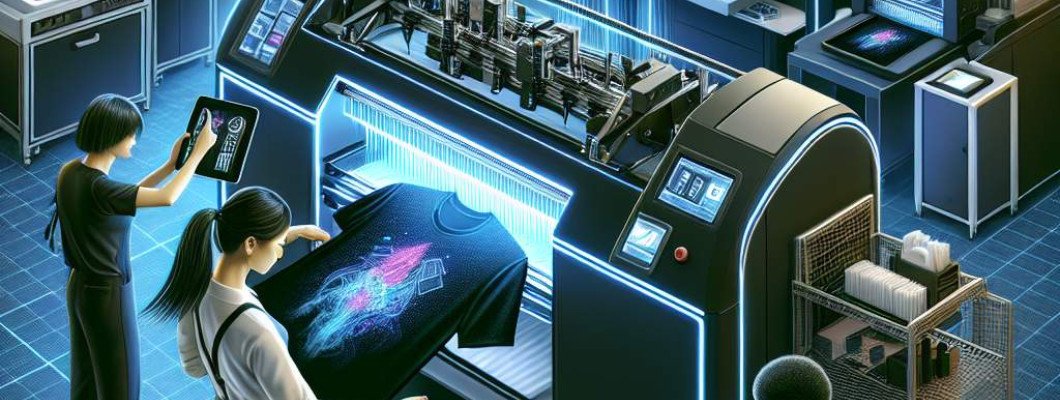
Are you having trouble getting your apparel business to stand out online? Or maybe you're just starting and unsure which garment printer to choose? If you"re looking to boost your custom T-shirt sales or streamline your printing process, you might want to consider a reliable t-shirt printing machine. Today, I"ll break down what you need to know about garment printers and how they can make a real difference in your business.
Why Choose a Garment Printer Over Traditional Printing Methods?
If you've been relying on screen printing or transfers, switching to a dedicated garment printer can open up new possibilities. These printers allow you to print directly on fabric, which means there"s no need for separating colors in advance or creating screens. The biggest advantages?- Faster turnaround time — print and sell in hours, not days.
- Lower setup costs — no need for expensive screens or dyes.
- High-quality, detailed images — photo-realistic prints are easy to achieve.
- On-demand printing — print small batches or single items without waste.
Key Features to Look for in a T-Shirt Printing Machine
Not all garment printers are created equal. Here"s what you should be on the lookout for:Print Resolution & Color Capabilities
High resolution (at least 1440 dpi) ensures sharp, vibrant images. If your designs involve photos or complex graphics, this is critical.Compatibility with Different Fabrics
Make sure your chosen printer can handle various materials like cotton, polyester, and blends. Some printers are specialized, so check specs.Ease of Use & Maintenance
Look for user-friendly interfaces and easy-to-clean systems. As with any equipment, regular maintenance keeps things running smoothly.Speed & Productivity
If you"re planning to scale, consider a machine that offers faster printing speeds without compromising quality.Cost & Support
Balance initial investment with ongoing support and warranty. You want a supplier who stands behind their product.Imagine discussing with a fellow entrepreneur who upgraded to a high-end garment printer. She told me her workflow became more efficient, and her error rate dropped. That"s the kind of ROI a good printer can offer.Popular Types of Garment Printers for Small Businesses
Here are some common options:- DTG (Direct to Garment) Printers — ideal for detailed, full-color designs. Example: A3 DTG Printer. Perfect for small to medium runs.
- DTF (Direct to Film) Printers — good for transfers and versatile printing onto various fabrics.
- Screen Printers — best for bulk orders, but less flexible for small runs or complex images.
Getting Started: Key Tips for Choosing Your Garment Printer
If you"re ready to pick your first machine, these tips can help:- **Assess your budget and expected volume.** Higher-end printers cost more but can handle larger workloads.- **Evaluate your design needs.** Do you want photo-quality prints or simple graphics? This impacts printer choice.- **Check for compatibility.** Make sure your workspace can support the machine in size and power requirements.- **Research user reviews and support options.** Reliable customer service can prevent headaches down the road.- **Consider training and software.** Some models come with intuitive software and training resources.I remember a hobbyist who wanted to start small. He chose a compact, easy-to-use garment printer, and within a few months, he gained enough confidence to expand his shop. Smart choices in equipment can set you up for success.Maintaining Your Garment Printer for Best Results
Once you've invested in a quality machine, keep it in top shape:- Clean the print head regularly to prevent clogging.- Use recommended inks and supplies.- Monitor and replace filters as needed.- Follow the manufacturer"s maintenance schedule.- Store your printer in a location with stable temperature and humidity.Proper care extends your printer"s lifespan and ensures your designs always look professional.Frequently Asked Questions
1. How much does a good garment printer cost?
Prices vary widely—from around $3,000 for entry-level models to over $20,000 for high-end professional units. Consider your business needs and growth plans.2. Can I print on all types of fabrics?
Most modern DTG printers work well with cotton and polyester blends. Check your printer specs for compatibility with specific materials.3. How long does it take to learn to operate a garment printer?
With basic training, most users get comfortable within a few days. Many manufacturers provide tutorials and support to speed up the learning curve.4. What is the typical maintenance required?
Regular cleaning of print heads, replacing filters, and software updates are standard. Follow your manufacturer's instructions for best results.5. Is it better to buy a new or used garment printer?
New machines come with warranties and the latest technology. Used units can be cost-effective but require careful inspection and testing.If you"re considering upgrading your setup and want a top-tier choice, check out this A3 DTG Printer. It"s designed for efficiency and superb quality, perfect for scaling your business.Remember, investing in a quality t-shirt printing machine or garment printer can totally change your approach to custom apparel. It"s about combining the right equipment with smart workflows to keep customers happy and orders flowing.
A4 Size Edible Food Printer – Custom Printing for Cakes, Cookies, and MoreThe A4 Size Edible Food Printer is an essential tool for bakeries, confectio..
$0.00
Ex Tax:$0.00
Effortless Operation: This full-automatic DTF printer boasts an easy-to-operate design, making it simple for users to manage and maintain, even for th..
$0.00
Ex Tax:$0.00
UV Spare Parts – Comprehensive Range for UV Printer MaintenanceWe offer a complete selection of UV printer spare parts, designed to ensure your p..
$0.00
Ex Tax:$0.00
Coffee Printer Printing Machine – Professional Custom Printing on BeveragesThe Coffee Printer Printing Machine is a professional-grade device designed..
$0.00
Ex Tax:$0.00
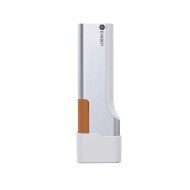
Bring Your Food to Life with the Food-Grade PrintPenTurn everyday food into delightful, personalized creations with the Food-Grade PrintPen, a re..
$0.00
Ex Tax:$0.00
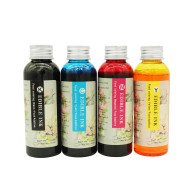
Edible Food Ink - Premium Printing Solution for Culinary ArtistryGNFEI Edible Food Ink is a high-performance, food-grade ink specially formulated for ..
$0.00
Ex Tax:$0.00

PrintPods — Redefining Handheld Printing for Every SurfaceCompact, lightweight, and incredibly versatile, the PrintPods is not just a printer—it'..
$0.00
Ex Tax:$0.00

F50V3 UV DTF Printer – Compact Dual-Head Flatbed with Rotary & DTF SupportThe F50V3 UV DTF Printer is a versatile small-format UV flatbed designed..
$0.00
Ex Tax:$0.00

Single-Sided Electric Laminating Machine – For Crystal Stickers, Photo Books, Labels & MoreThis Single-Sided Electric Laminator is..
$0.00
Ex Tax:$0.00
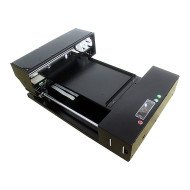
Headstone Photo Printer – High-Quality Tombstone and Memorial Photo PrintingThe Headstone Photo Printer is an innovative solution designed specificall..
$0.00
Ex Tax:$0.00
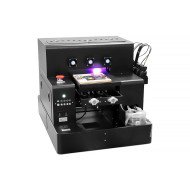
Spot A4 LED UV Printer – High-Precision Printing on Cylindrical and Curved SurfacesThe Spot A4 LED UV Printer is a versatile, high-performance printin..
$0.00
Ex Tax:$0.00
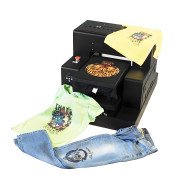
A3 DTG Printer – High-Quality Direct-to-Garment PrintingThe A3 DTG Printer offers a professional, efficient solution for businesses looking to produce..
$0.00
Ex Tax:$0.00
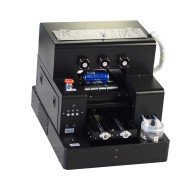
A4 UV Printer Cylinder Printer – Custom Printing on Cylindrical and Curved SurfacesThe A4 UV Printer Cylinder Printer is designed to provide unparalle..
$0.00
Ex Tax:$0.00
Coffee Printer Printing Machine – Professional Custom Printing on BeveragesThe Coffee Printer Printing Machine is a professional-grade device designed..
$0.00
Ex Tax:$0.00
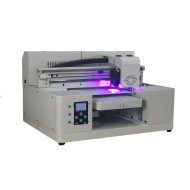
A2 Plus Size UV Printer – Precision Embossed Glossy Printing on Various MaterialsThe A2 Plus Size UV Printer offers a professional and versa..
$0.00
Ex Tax:$0.00
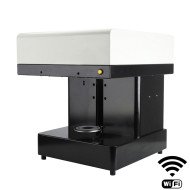
Smart Latte Coffee Printer – Innovating Beverage Personalization with Smart TechnologyThe Smart Latte Coffee Printer brings cutting-edge technology to..
$0.00
Ex Tax:$0.00
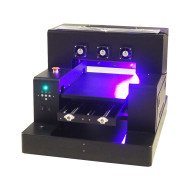
New A3 Spot UV Printing Machine Support Varnish and White PrintingThe A3 Spot UV Printing Machine brings a new dimension to your printing possibilitie..
$0.00
Ex Tax:$0.00
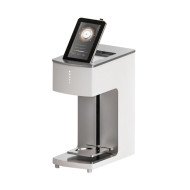
Mini Coffee Printer – Custom Printing on Coffee and BeveragesThe Mini Coffee Printer is a unique and innovative solution for businesses looking to add..
$0.00
Ex Tax:$0.00
Edible Food Ink - Premium Printing Solution for Culinary ArtistryGNFEI Edible Food Ink is a high-performance, food-grade ink specially formulated for ..
$0.00
Ex Tax:$0.00
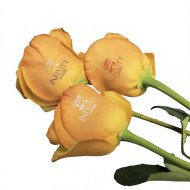
The Flower Printer is a revolutionary printing solution designed specifically for the floral industry, enabling businesses to create personalized, vib..
$0.00
Ex Tax:$0.00
Leave a Comment