Infrastructure Integration Challenges with the 40x60CM Heat Press Machine
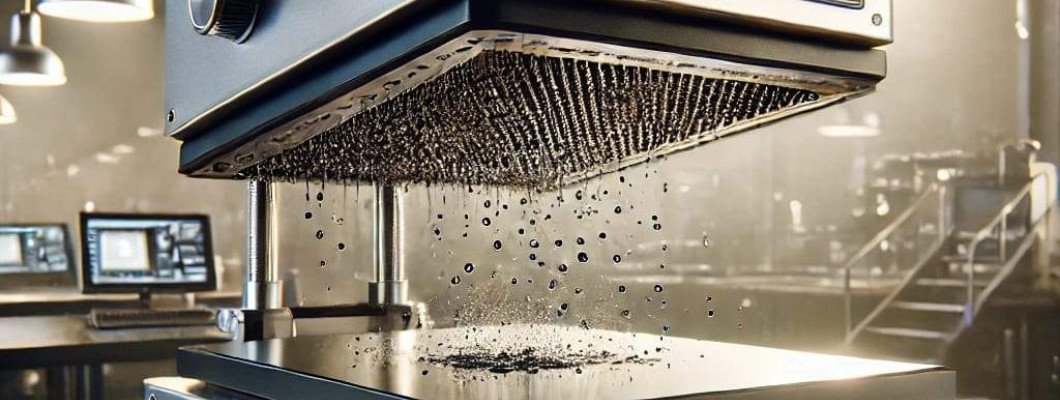
The Industrial Reality
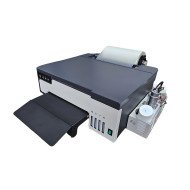
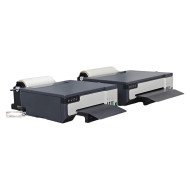
Integrating a 40x60CM heat press machine into a high-end printing workflow presents unique challenges that often go unnoticed. This oversized equipment demands a careful reconsideration of spatial layout, power requirements, and compatibility with existing systems. For businesses reliant on high throughput and precision, the integration process can reveal a spectrum of technical hurdles, from inadequate thermal regulation to unexpected electrical loads.
Technical Deep-Dive
Thermal Management and Heat Distribution
The heat press machine's dimensions (40x60CM) require precision in heat distribution to ensure optimal transfer quality. Typically, heat presses operate at temperatures ranging from 120°C to 200°C, regulated by advanced PID controllers. Any fluctuation could result in uneven transfer, compromising product quality.
Power Consumption and Electrical Load
These machines demand significant power, with consumption ranging from 1800 to 2500 Watts. Businesses must evaluate their current infrastructure's capacity to handle such loads without compromising other operations.
Spatial Integration and Workflow Optimization
Incorporating a large heat press into existing workflows implicates spatial rearrangement. Dimensions like 40x60CM require a strategic approach to floor planning to avoid workflow bottlenecks.
Integration with Software Systems
Advanced heat presses often come with digital interfaces that require synchronization with existing software solutions for precision control over heat and time settings.
Material Compatibility Testing
The machine’s capability to handle various substrates (cotton, polyester, blends) necessitates rigorous testing to match the heat press specifications with material tolerance levels.
Scenario Analysis
High-Throughput Manufacturing
A business aiming to scale production quickly may face challenges with machine integration, affecting throughput rates due to spatial limitations and power requirements.
Custom Apparel Printing
Artisans focused on custom apparel encounter obstacles in achieving micron-level precision due to heat distribution variance.
Enterprise-Level Printing Solutions
Large enterprises integrating these machines must consider workflow disruption and the machine's compatibility with existing systems to maintain productivity.
Expert FAQ
How does machine size impact heat accuracy?
Larger machines like the 40x60CM may experience uneven heat distribution without proper temperature control mechanisms.
What are the typical power requirements?
Heat press machines generally require 1800 to 2500 Watts, necessitating a robust electrical system.
Why is spatial planning crucial?
Ensuring smooth workflow and avoiding bottlenecks is essential when integrating large machinery into existing setups.
How do software integrations work?
Software synchronization ensures precise control over heat settings, crucial for maintaining the quality of outcomes.
What materials can be used with this heat press?
Common substrates include cotton, polyester, and blends, each requiring specific settings for optimal results.
Strategic Verdict
The 40x60CM heat press machine introduces several integration challenges that can derail production efficiency if not managed with precision. Businesses must prioritize infrastructure assessments and technical adjustments for successful operation.