Infrastructure Integration Challenges of Smart Nail Printers

The Industrial Reality
The advent of smart nail printers with touch screens presents intriguing possibilities for integration into existing infrastructure. These machines promise high precision and customization, but aligning them with current industrial systems poses significant challenges. As businesses look to incorporate this technology, understanding the nuances of infrastructure compatibility becomes essential.
Technical Deep-Dive
Understanding Connectivity and System Compatibility
Integration demands a thorough comprehension of connectivity standards. Most printers on the market operate using a combination of USB interfaces and wireless protocols like Wi-Fi or Bluetooth. Ensuring seamless data transfer between nail printers and existing network setups requires scrutiny of bandwidth capacities and potential interference. For instance, a standard network may face congestion if multiple devices communicate simultaneously, impacting print efficiency.
Thermal Management and Environmental Control
The precision of nail printers hinges on optimal temperature regulation. Excess heat can degrade print quality by affecting the ink's viscosity and drying time. Implementing adequate cooling systems and environmental controls within server rooms or dedicated printer spaces is necessary to maintain consistent output quality. Precise thermal management aligns directly with maintaining high uptime rates.
Rack Density and Spatial Requirements
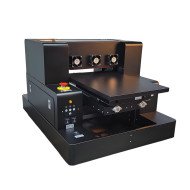
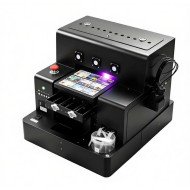
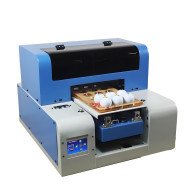
Most nail printers, though relatively compact, require strategic placement within production facilities. Rack density calculations must account for the unit dimensions, typically around 500mm x 400mm x 300mm. Facilities might need to reassess space allocations or consider modular setups to accommodate multiple units without impeding workflow.
Ink Chemistry and Compatibility
The chemistry of inks used in nail printers can differ significantly from traditional printing technologies. Understanding the interaction between various substrates and ink formulations is critical. Compatibility with lacquer and gel substrates must be assured to guarantee adhesion and durability, necessitating frequent chemical assessments and quality checks.
Compliance with Safety Standards
Integrating new machinery involves navigating complex safety regulations. Each unit must satisfy both regional and global compliance standards. Regular audits and maintenance checks are vital to ensure that these printers meet industry benchmarks for electrical and operational safety.
| Aspect | Standard Printers | Smart Nail Printers |
|---|---|---|
| Connectivity | Ethernet, USB | USB, Wi-Fi, Bluetooth |
| Thermal Management | Basic Fans | Advanced Cooling Systems |
| Ink Chemistry | Standard Inks | Specialized Nail Inks |
| Rack Density | High | Moderate |
| Compliance | General Standards | Enhanced Safety Protocols |
Scenario Analysis
Consider a high-end salon aiming to upscale its offerings with smart nail printing technology. Integration challenges may arise from limited connectivity options due to an outdated network infrastructure. Additionally, temperature fluctuations within the salon could affect print stability, necessitating investments in climate control systems.
In contrast, a large-scale nail art manufacturer might leverage existing server facilities to incorporate printers into its production line. However, ensuring ink compatibility across different substrates remains a critical factor impacting production efficiency.
Meanwhile, a tech-focused startup may face spatial constraints in its compact office environment. The need to balance rack density with operational ease could demand innovative modular setups or phased equipment integration.
Expert FAQ
Q1: How do smart nail printers cope with data transfer issues?
A1: They utilize advanced wireless protocols, but require robust network infrastructures to mitigate congestion.
Q2: What are the main environmental considerations for setup?
A2: Temperature and humidity control are key to maintaining print quality and equipment longevity.
Q3: Can these printers handle multiple substrates?
A3: Yes, but ongoing ink chemistry assessments are crucial to ensure durability and adhesion.
Q4: How often should compliance checks be conducted?
A4: Regular audits aligned with industry standards should be performed bi-annually.
Q5: What are the spatial challenges involved?
A5: Rack density and space allocation must accommodate unit dimensions without disrupting workflow.
Strategic Verdict
Smart nail printers with touch screens represent technological evolution in precision printing. Their successful integration into diverse infrastructures hinges on addressing connectivity, environmental, and spatial challenges. As industries embrace this innovation, strategic planning and adaptability remain crucial to leveraging their full potential.