
Industrial design workshops see higher demand using UV the printer for prototyping
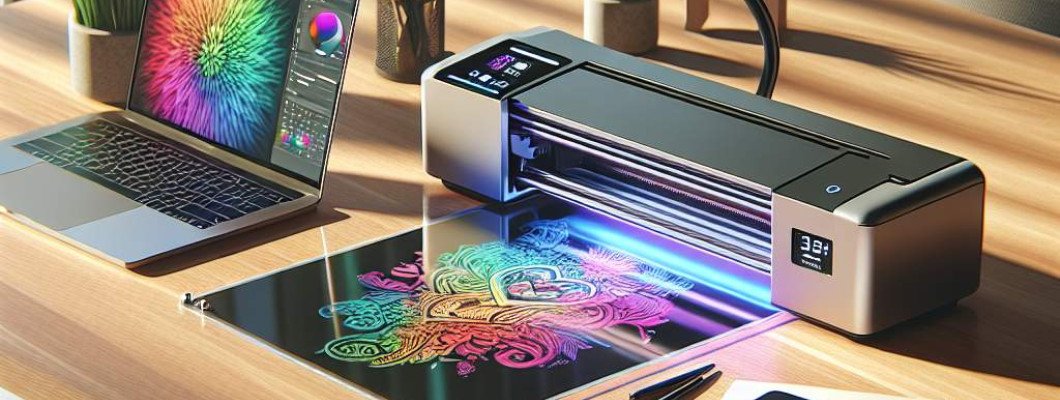
In recent years, the landscape of industrial design has undergone a significant transformation, driven by advancements in rapid prototyping technologies. Among these innovations, UV printing has emerged as a game-changer, enabling design workshops to meet increasing demand for high-quality, detailed prototypes more efficiently than ever before. This trend reflects a broader shift in the industry towards faster development cycles, enhanced customization, and superior finish qualities that meet the rigorous standards of modern product development. With UV printers, designers and engineers can turn their concepts into tangible models swiftly, facilitating better visualization, testing, and refinement.

Industrial design workshops worldwide are recognizing the immense value that UV printing brings to their prototyping processes. Unlike traditional methods such as CNC machining or handcrafting, UV printing allows for rapid production of prototypes directly from digital files, eliminating lengthy setup times and reducing material wastage. This efficiency not only speeds up the overall workflow but also frees up resources for more iterative design improvements. As a result, companies can respond quickly to client feedback, adjust designs in real-time, and bring innovative ideas to market faster. This agility is especially crucial in competitive industries like consumer electronics, automotive, and furniture design, where innovation pace directly correlates with market success.
One of the core advantages of UV printing in prototyping is its ability to produce highly detailed, multi-color, and textured surfaces on a variety of materials—plastics, metals, and even certain types of glass. This versatility means that prototypes can closely resemble final products in appearance and tactile feel, providing better testing conditions for form, fit, and function. Additionally, UV printers cure inks instantly upon exposure to ultraviolet light, resulting in durable, scratch-resistant finishes that stand up to handling during testing phases. This durability is vital for presenting prototypes to clients or for conducting functional tests, as it ensures prototypes maintain their quality and appearance over time. The ability to produce customized, vibrant prototypes on demand significantly enhances the fidelity of design presentations and can help justify investment in new ideas to stakeholders.
For industrial design workshops, incorporating UV printing into their prototyping toolkit offers a multitude of benefits beyond speed and quality. Cost efficiency is one such benefit—by enabling on-demand, low-volume production, UV printers reduce the need for more expensive traditional manufacturing processes. This is especially advantageous for initial testing, concept validation, or customized batch runs. Moreover, UV printing supports environmentally conscious practices, as it produces less waste and uses less solvent-based inks compared to conventional printing methods. By adopting UV technology, studios and workshops not only improve their operational efficiency but also align with sustainability objectives increasingly demanded by clients and consumers alike.
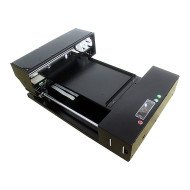
As the demand for innovative prototypes grows, many industrial design professionals are turning to advanced UV printing machines like the Spot UV Printing Machine - Glossy UV Coating Printer. This equipment offers superior control over gloss levels, clear coating options, and precise registration capabilities, enabling designers to elevate the visual impact of their prototypes. Whether creating soft-touch finishes, intricate logos, or layered textures, UV printers provide the nuanced detailing that differentiates an average prototype from a truly premium one. For workshops aiming to amplify their capabilities and better serve their clients' diverse needs, investing in cutting-edge UV printing technology is increasingly becoming a strategic priority.
Looking forward, the integration of UV printing with other digital fabrication tools is poised to further revolutionize industrial design prototyping. Combining UV printing with 3D scanning, CAD software, and additive manufacturing creates a seamless workflow that accelerates the journey from concept to tangible model. This synergy enhances design accuracy, reduces iteration cycles, and enables a more sustainable approach by minimizing material waste. As more workshops recognize these benefits, the adoption of UV printing is expected to expand, making it an essential component in the toolkit of modern industrial designers globally. Embracing this technology not only meets current market demands but also positions organizations as leaders in innovative, sustainable prototyping practices.
In conclusion, the rising demand for advanced prototyping solutions in industrial design workshops underscores the importance of adopting UV printing technology. Its ability to produce detailed, durable, and rapid prototypes aligns perfectly with the fast-paced, customization-driven nature of today"s product development environment. For those seeking to stay competitive and innovative, integrating UV printers into your workshop can unlock new levels of creativity, efficiency, and client satisfaction. The future of industrial design is bright with UV technology paving the way for faster, greener, and more precise prototype manufacturing. Explore more about these solutions and elevate your design process today.














Leave a Comment