
Industrial automation trends pushing manufacturers to integrate UV printer systems in mass-customization workflows
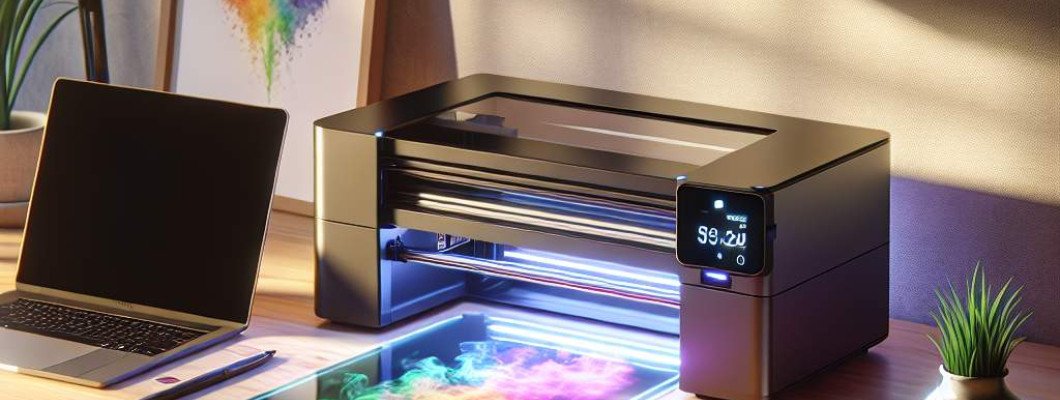
Are You Struggling to Keep Up with Modern Manufacturing Demands?
Manufacturers today face a huge challenge: staying competitive while delivering customized products at scale. If you're wondering how to boost flexibility without sacrificing efficiency, you"re not alone. One trend that"s really making waves is the integration of UV printer systems within industrial automation workflows.
Why Are UV Printer Systems Becoming a Game Changer in Manufacturing?
UV printing offers rapid, high-quality, personalized printing directly onto a wide variety of materials. The key reason it"s gaining traction is its ability to be seamlessly integrated into automated production lines, creating what we call mass customization.
Imagine being able to produce tailored packaging, branded products, or personalized consumer goods in a single, streamlined process. That"s the power of UV printers combined with industrial automation.
How Automation Trends Drive UV Printer Adoption
1. Increased Flexibility and Personalization
Automation isn"t just about speed anymore; it"s about making each product unique without slowing down production. UV printers excel here, enabling manufacturers to produce small batch runs or one-offs efficiently. They can print custom graphics, text, or logos directly onto products or packaging, meeting rising consumer demand for personalization.
2. Faster Time-to-Market
With automated workflows, UV printers reduce manual handling and setup times. Transitioning from one product design to another is quicker, helping brands respond faster to market trends.
This agility is crucial in industries like promotional items, luxury packaging, or electronics, where brand identity often hinges on rapid customization.
3. Cost Efficiency and Less Waste
Automation minimizes human error and optimizes resource use. UV printing produces less waste due to its precise application and quick curing process. When integrated into a production line, UV printers reduce overall costs and enhance profitability.
Integrating UV Printer Systems: What You Need to Know
Types of UV Printer Systems Suitable for Automation
- Flatbed UV printers: Ideal for printing on large, flat items like boxes, panels, or promotional materials.
- In-line UV printers: Designed for integration directly into production lines, enabling continuous, automated printing.
- Hybrid systems: Offer versatility, able to print on both rigid and flexible substrates with minimal setup.
Steps to Incorporate UV Printing into Automated Workflows
- Assess Your Production Needs: Identify which products benefit from UV printing and the level of customization required.
- Select the Right Equipment: Choose systems compatible with your existing automation infrastructure. Check if the UV printer can handle your material types and volumes.
- Automate the Material Handling: Integrate robotic arms or conveyor systems to move items seamlessly between printing and finishing stations.
- Optimize Software Integration: Use software that manages the entire workflow—from design input to production scheduling to quality control.
- Test and Refine: Run trial batches to fine-tune settings, reduce errors, and enhance output quality.
Real-World Success Stories
Take a packaging manufacturer that was struggling with long turnaround times for customized labels. They adopted a UV printing system integrated into their automated line. Within months, they reduced production time by 40% and increased their ability to offer personalized packaging options. Benefit? Happier clients and higher margins. It"s insights like these that show how marrying UV printers with automation pays off.
Where to Find the Right UV Printer for Automation
If you"re ready to explore options, check out companies like GNFEI. Their Spot UV Printing Machine - Glossy UV Coating Printer offers versatile solutions well-suited to integrated production lines.
FAQs About Industrial Automation and UV Printer Integration
1. Can UV printers be integrated into existing manufacturing lines?
Absolutely. Many UV systems are designed with compatibility in mind, allowing seamless integration with robots and conveyor systems to automate workflows.
2. What materials can UV printers handle in automation settings?
UV printers can print on a wide range of materials — plastics, glass, metal, wood, paper, and even flexible substrates. Make sure to select a system compatible with your specific materials.
3. Is investing in UV printing technology cost-effective?
For companies aiming at customization and small batch production, UV printers offer significant ROI through faster turnaround, less waste, and the ability to meet customer demands for personalized products.
4. How does UV printing compare to traditional printing methods in automated processes?
UV printing is faster, more versatile, and produces vibrant, durable results. Its ability to print directly onto substrates without additional lamination makes it ideal for automation.
5. What are the initial steps to start integrating UV printing into my factory?
Begin with a needs assessment, consult with UV printing experts, and pilot with small projects. Gradually scale up as you refine your automated workflows.
Looking to streamline your manufacturing with cutting-edge UV technology? Embracing industrial automation trends and integrating UV printer systems could be the game changer you need. It"s about making your processes smarter, faster, and more adaptable to customer needs.
















Leave a Comment