High-Precision Output Needs Human Factor Engineering

Understanding Industrial Precision with Edible Printing
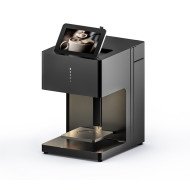
The world of edible printing has opened doors to intricate design possibilities, yet the challenge lies in human factor engineering for high-precision outputs. The A3 Edible Food Printer stands at the forefront, merging technology with culinary artistry.
Precision in Edible Printing
Edible food printers are designed to operate with micron-level precision, a crucial factor in delivering detailed images on cakes and cookies. The mechanics behind such precision involve complex algorithms controlling printhead movements, ink viscosity, and environmental factors, all of which must be managed meticulously.
Human Factor Engineering
While technological innovation is critical, understanding how operators interact with these machines is equally important. Ease of use, accessibility, and maintenance are core components of human factor engineering. This ensures operators can achieve optimal results without extensive technical expertise.
Comparative Analysis of Substrate Versatility
| Printer Model | Substrate Range (mm) | Precision (dpi) |
|---|---|---|
| A3 Edible Printer | 0.5-5mm | 1200 dpi |
| Standard Printer | 1-3mm | 600 dpi |
Scenarios in Culinary Arts
Consider the intricacies involved in printing on a delicate macaron versus a robust cookie. The A3 printer accommodates varying substrate thicknesses, demonstrating adaptability that directly influences the quality of culinary presentations.
Addressing Operational Bottlenecks
Operational efficiency can be compromised without proper human interface design. Training, user interface simplicity, and real-time error alerts contribute to minimizing downtimes and maximizing throughput.
Future Trajectory
The integration of AI-driven analytics with human-centric design points towards a future where edible printing will not only be more intuitive but also more accessible to a broader range of culinary professionals. The emphasis on human factor engineering ensures that technological advancements align with user capabilities.