
How Today’s Fashion Brands Use a DTG Printer to Test Designs Before Mass Production
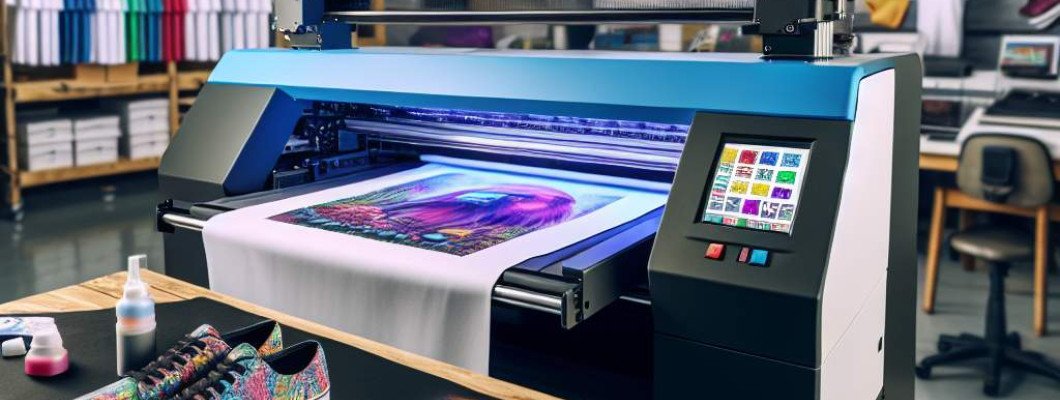
Struggling to test your fashion designs effectively before hitting mass production?
If you're in the fashion industry, you know how costly and time-consuming it can be to find out whether a design works — and whether it looks as good on fabric as it does on your computer screen. Have you ever caught a mistake too late, after the entire batch was made? That"s a nightmare. This is where a DTG printer really shines. It"s revolutionized the way brands test and perfect their designs before committing to mass production.
Why Use a DTG Printer for Design Testing?
Speed and Flexibility
Traditional screen printing or fabric dyeing methods take days or even weeks to set up. But with a direct-to-garment (DTG) printer, you can print a prototype within hours. This allows you to see how your design looks on actual fabric almost immediately.
And the flexibility is impressive. Want to change colors, tweak the artwork, or try new fonts? Just update the design file, hit 'print', and you"re set. No need to wait for new screens or re-mixing dyes.
Cost-Effective Testing
Testing with a DTG printer is more affordable than traditional methods. You avoid large setup fees, and you can print small batches for testing, minimizing leftover stock. Plus, it"s perfect for on-demand orders or limited editions.
This helps brands experiment with new ideas without hefty investments, ensuring only bestsellers go into full production.
How Fashion Brands Use DTG Printers to Refine Designs
Step 1: Creating Digital Mockups
It all starts digitally. Designers craft their artwork using software like Adobe Photoshop or Illustrator. They prepare multiple variations to test how different colors or styles impact the final look.
Once ready, these files are sent directly to the DTG printer. It"s a seamless process that minimizes delays.
Step 2: Printing Sample Garments
With the digital design loaded, brands print on actual fabric samples or blank garments. This allows them to evaluate the real-world appearance, from color vibrancy to fabric compatibility.
If something looks off, adjustments are made digitally, and a new sample is printed within the same day. This cycle can repeat until the design hits the mark.
Step 3: Gathering Feedback and Making Adjustments
Once the sample is printed, brands often invite focus groups, fashion buyers, or internal teams to review the sample. Feedback on fit, color, and overall appeal guides further tweaks.
Any changes are implemented digitally, and new samples are printed at minimal cost. This interactive process ensures the final product is exactly as envisioned before committing to large scale production.
The Advantages of Using DTG for Pre-Production Testing
- Faster Turnaround Time: Rapidly produce prototypes to speed up your design cycle.
- Lower Costs: Save on setup fees and waste by printing only what"s necessary.
- High-Quality Prints: Achieve detailed, vibrant images that closely resemble the final product.
- Ease of Customization: Try out different colors and styles effortlessly.
- Reduce Recall Risks: Catch design flaws early, preventing costly mistakes later.
Real-Life Example: From Idea to Final Product
Think about a small boutique that wanted to add a new line of custom t-shirts. The designer created a few digital mockups and used a DTG printer to produce sample shirts quickly. They tested different color combinations and fitted the samples to models. After a few iterations, they finalized a design that received positive feedback from customers. When they finally ordered in bulk, they knew they were shipping products that matched their vision perfectly.
Where to Get Started? Check Out High-Quality DTG Printers
If you"re ready to incorporate DTG printing into your workflow, the A3 DTG Printer from GNFEI is an excellent choice. It"s reliable, easy to operate, and perfect for testing designs at a professional level.
FAQs About Using DTG Printers for Fashion Design Testing
1. How accurate are DTG prints compared to final production?
DTG printing offers high resolution and vibrant colors that closely resemble what you'll get in mass production, making it ideal for testing and previewing designs.
2. Can I print on different types of fabrics with a DTG printer?
Yes, but it's best to check your specific printer's compatibility. Most are compatible with cotton and blends, but some require special pretreatment for synthetic fabrics.
3. How long does it take to print a sample?
Most designs are printed within minutes, allowing rapid prototyping and quick feedback cycles.
4. Is DTG printing suitable for small batches or one-off prototypes?
Absolutely. DTG excels at producing small runs or even single samples without high setup costs.
5. What are the maintenance requirements for a DTG printer?
Regular cleaning and occasional ink refills are necessary, but modern DTG printers are designed for ease of maintenance.
Using a DTG printer to test your fashion designs saves time, cuts costs, and helps you refine your products with confidence. It"s a game-changer for brands eager to innovate and stay ahead in a fast-paced industry. Take the next step by exploring options like the A3 DTG Printer. It might just be what your brand needs to streamline the way you bring new designs to life.














Leave a Comment