
How to Start a Profitable T-Shirt Printing Business: Step-by-Step Guide
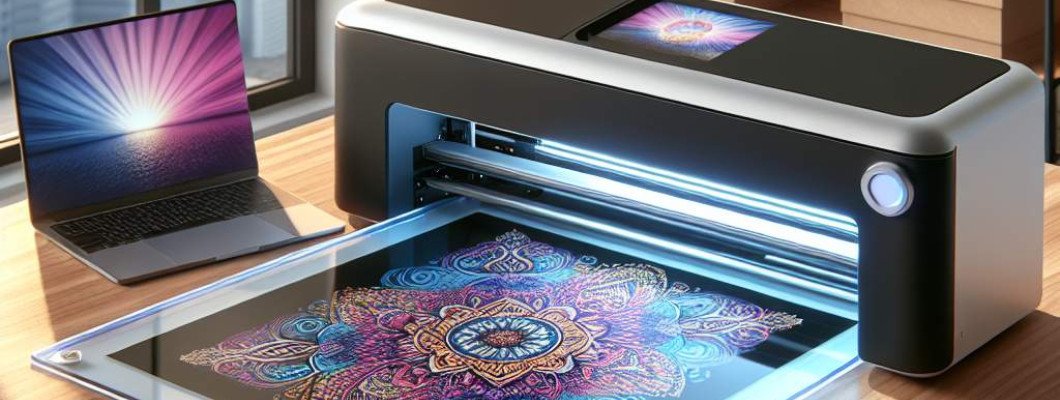
How to Start a Profitable T-Shirt Printing Business: Step-by-Step Guide
Step 1: Choosing the Right Printing Technology
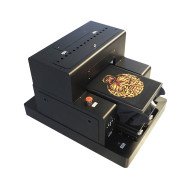
The foundation of a successful T-shirt printing business lies in selecting the appropriate printing method. Direct-to-Garment (DTG) printing, heat transfer, and screen printing are the most common techniques. DTG is particularly popular for its ability to produce high-resolution, vibrant prints directly onto fabric. For DTG printing, consider printers equipped with Epson print heads such as the XP600, TX800, or i3200. These heads are known for their precision and suitability for high-volume production.
When selecting a printer, look for features like stable linear guide rails and ball screws for accurate movement. This ensures consistent print quality across batches and reduces mechanical errors. Additionally, a well-designed ink circulation system is critical for preventing clogging, especially when working with pigment-based inks commonly used in DTG applications. For smaller operations, entry-level models like the Epson L805 can suffice, while more advanced businesses may benefit from industrial-grade machines with multiple XP600 print heads for faster throughput.
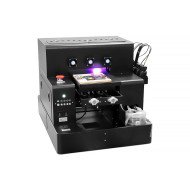
Finally, consider the type of ink you’ll use. Water-based textile inks are standard for DTG, but some businesses may explore UV printing for unique effects on specialised fabrics. For UV setups, ensure your printer includes a reliable UV LED curing system, with adjustable power settings between 395nm–405nm wavelengths to handle thicker ink layers efficiently.
Researching and investing in the right equipment upfront will set the stage for a smooth operation. Don't forget to budget for maintenance tools such as nozzle cleaners, waste ink tanks, and spare dampers to maximise your printer's lifespan.
Step 2: Mastering RIP Software for Print Management
Once you’ve chosen your printer, the next step is setting up a reliable workflow using RIP (Raster Image Processor) software. RIP software is essential for converting your designs into instructions that your printer can execute. Popular options include AcroRIP, Maintop, and Photoprint. Each has its own strengths, but for DTG printing, AcroRIP is widely regarded for its intuitive interface and precise colour management tools.
When configuring RIP software, pay attention to white ink layering if you're printing on dark T-shirts. AcroRIP, for instance, allows you to adjust white ink density and underbase positioning, which is crucial for achieving vibrant results on black or navy fabrics. Additionally, ensure that your software supports ICC profiles tailored to your ink and media type. This will help you maintain colour accuracy, especially when printing logos or brand-specific designs.
Some advanced RIP software solutions also integrate with production management tools, enabling you to queue jobs, monitor ink usage, and calculate per-print costs in real-time. This level of oversight can significantly improve your operational efficiency, especially during peak production periods. Remember, a poorly configured RIP software setup can lead to wasted ink and subpar results, so take the time to learn its nuances or consult a professional for assistance.
To get the most out of your RIP software, regularly update it to access new features and compatibility with the latest printers and Windows versions. Keep a backup of your settings and ICC profiles to avoid disruptions during software upgrades.
Step 3: Streamlining Your Production Workflow
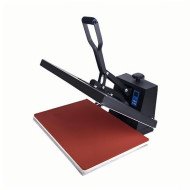
Beyond hardware and software, the efficiency of your production workflow plays a critical role in your profitability. Start by organising your workspace to minimise downtime. Position your printer, heat press, and pre-treatment station (if applicable) in a logical sequence to ensure smooth transitions between steps. Use heat presses with precise temperature and pressure controls, as inconsistent curing can lead to peeling prints or uneven colours.
Pre-treatment is a vital step for DTG printing, especially on dark or high-cotton fabrics. Automated pre-treatment machines can save time and ensure consistent application, but if you're on a budget, manual spray systems are a viable alternative. Just make sure to follow manufacturer guidelines for pre-treatment fluid ratios and drying times to avoid issues like discolouration or uneven adhesion.
Another aspect to consider is inventory management. Stock enough blank T-shirts in various sizes and colours to meet customer demand without overstocking. Some businesses use lean inventory techniques, ordering blanks only when new orders come in. Additionally, track your ink levels carefully and establish a reliable supplier relationship to avoid running out unexpectedly during busy periods.
Finally, implement a quality control process to check every printed T-shirt before it leaves your facility. Look for defects such as smudging, incomplete prints, or colour mismatches. A simple checklist can go a long way in maintaining high customer satisfaction and reducing returns.
Step 4: Marketing and Scaling Your Business
Once your production is running smoothly, the next challenge is attracting customers. Start by building an online presence with a professional website showcasing your portfolio. Invest in high-quality mockups and photographs of your printed T-shirts to give potential customers a clear idea of your capabilities. Platforms like Shopify or WooCommerce make it easy to set up an e-commerce store with minimal technical skills.
Social media is another powerful tool for growing your brand. Platforms like Instagram and TikTok are particularly effective for showcasing creative designs and engaging directly with your audience. Use hashtags related to custom printing and run promotions to encourage user-generated content. For B2B clients, LinkedIn can be a valuable platform to network with local businesses, schools, and organisations in need of custom apparel.
To scale your business, consider offering additional services like embroidery or sublimation printing. This not only diversifies your revenue streams but also positions you as a one-stop-shop for custom apparel. Additionally, reinvest a portion of your profits into upgrading equipment. For instance, transitioning from a single XP600 print head to a dual-head system can double your output without doubling your labour costs.
Lastly, focus on customer retention by providing excellent service and exploring loyalty programmes or discounts for repeat clients. Happy customers often become your best marketers through word-of-mouth referrals. For personalised advice on selecting the right equipment or optimising your process, feel free to reach out to our customer support team.










Leave a Comment