How to start custom t-shirt business with DTG printer
How to Start a Custom T-Shirt Business with a DTG Printer
Launching a custom t-shirt business can be a lucrative entrepreneurial venture, especially with advancements in direct-to-garment (DTG) printing technology. Whether you're an artist, a hobbyist, or a budding entrepreneur, DTG printers open up endless opportunities for creating unique, high-quality, custom t-shirts with precision and ease. In this guide, we'll walk you through everything you need to know about how to start a custom t-shirt business with a DTG printer, from understanding the basics to setting up your workspace, and even choosing the right printer for your needs.
Why DTG Printing? The Competitive Edge
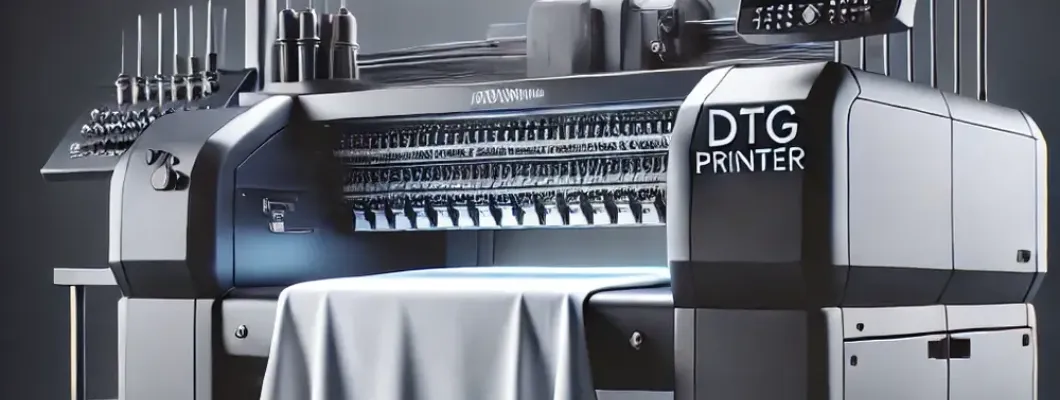
DTG (Direct-to-Garment) printing allows you to print high-resolution, full-color designs directly onto fabric without requiring screens or transfer paper. Unlike traditional screen printing, DTG is ideal for small batches, one-off designs, or custom orders, making it a top choice for entrepreneurs in the custom apparel market. Here’s why:
- High-Quality Results: DTG printers produce photorealistic prints with vibrant colors and intricate details.
- On-Demand Printing: Minimize inventory waste by printing designs only when there’s an order.
- Eco-Friendly: Use water-based inks that are better for the environment and safer for customers.
- Flexibility and Creativity: Experiment with unlimited designs, colors, and even gradients without additional setup costs.
Now that you understand the value of DTG printing, let’s move on to the key steps for starting your custom t-shirt business.
Step 1: Conduct Market Research and Identify Your Target Audience
Before you invest in equipment or start printing designs, it's essential to plan strategically by researching the market. Consider these key aspects:
Identify Your Niche
Selecting a niche can set you apart from competitors and attract dedicated customers. Popular niches include:
- Pop Culture: T-shirts featuring designs inspired by movies, TV shows, or music.
- Hobbies: Themes related to fitness, pets, gaming, or travel.
- Social Causes: Eco-friendly apparel or shirts supporting activism and non-profits.
Competitor Analysis
Look into existing brands in your niche. Identify what they’re offering, their pricing strategies, and how you can offer something better or different.
Create a Business Plan
A clear business plan outlines your mission, market strategy, target audience, pricing, and startup costs. This will act as a roadmap as you launch your business.
Step 2: Set Up Your Workspace
A well-organized workspace ensures smooth production processes. Here's what you need to prepare:
- Space Requirements: Allocate a clean, dry, and well-ventilated area for your printer and supplies.
- Electrical Setup: Ensure your workspace has sufficient power outlets and follows safety requirements specific to DTG printers.
- Storage: Organize your inventory (t-shirts) and consumables (inks, pretreatment liquids) efficiently. Keep items protected from dust and moisture.
Step 3: Choose the Right DTG Printer
The heart of your custom t-shirt business lies in the DTG printer you select. Here's how to evaluate your options:
Key Features to Look For
- Print Quality: Aim for a printer that delivers high DPI (dots per inch) for vibrant, detailed designs.
- Ease of Use: Choose a printer with user-friendly interface and intuitive software.
- Ink Efficiency: Opt for a machine that optimizes ink usage to reduce costs.
- Speed: If you anticipate handling bulk orders, invest in a printer with faster output capabilities.
- Support and Warranty: Reliable technical support and extended warranties ensure peace of mind.
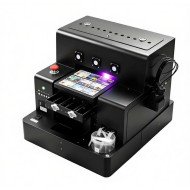
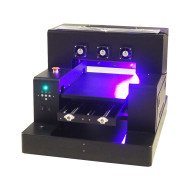
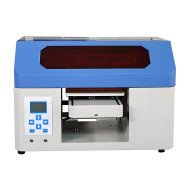
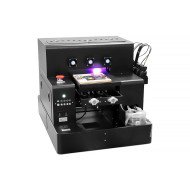
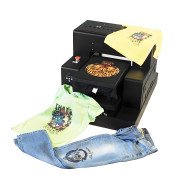
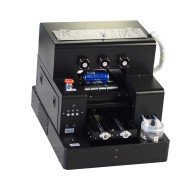
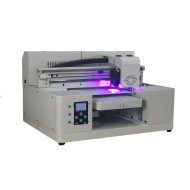
We highly recommend the A3 DTG Printer, which balances affordability, professional-grade quality, and an intuitive experience for both beginners and experts.
Step 4: Sourcing T-Shirts and Supplies
Not all t-shirts are created equal for DTG printing. To ensure high-quality prints and satisfied customers, choose 100% cotton blanks with a tight weave. Popular options include:
- Gildan Softstyle
- Bella + Canvas
- Next Level Apparel
Next, stock up on consumables like inks, pretreatment solutions (for dark garments), and maintenance kits to keep your printer running smoothly.
Step 5: Master Your Design Process
DTG printing thrives on intricate digital designs, so mastering design creation is crucial. Here’s what you need:
- Graphic Design Software: Use tools like Adobe Photoshop, Illustrator, or free alternatives like GIMP to create your artwork.
- Transparent Backgrounds: Ensure your designs have transparent backgrounds for seamless printing.
- RGB File Format: DTG printers use RGB color profiles for the most accurate color reproduction.
If you lack design skills, consider hiring freelance graphic designers or purchasing ready-to-use artwork from reputable sources for commercial use.
Step 6: Pricing and Marketing Your T-Shirt Business
Establish Competitive Pricing
Calculate your pricing based on production costs, labor, and overhead expenses while staying competitive within your niche. Most successful setups aim for a profit margin of 30-40% per shirt.
Build an Online Store
Set up an e-commerce website using platforms like Shopify, WooCommerce, or Etsy. Ensure your store is visually appealing, easy to navigate, and optimized for mobile users. Include high-quality product images and compelling descriptions.
Leverage Social Media
Promote your t-shirts on platforms like Instagram and TikTok, where visual content thrives. Share images of your creations, behind-the-scenes glimpses, and even customer testimonials to attract an engaged audience.
Step 7: Maintain Your Equipment and Scale Your Business
Once your business takes off, regularly maintain your DTG printer to keep it running smoothly. Clean the print heads and perform calibrations as recommended by the manufacturer. As your business grows, consider automating workflows or expanding into other markets (e.g., hoodies, tote bags, or caps).
With the right tools, strategy, and passion for design, you’re well on your way to building a successful custom t-shirt business with a DTG printer. Start small, perfect your craft, and scale as your customer base grows.