
How Modern Hybrid Printing Systems Simplify High-Quality Custom Output

Are you struggling to produce high-quality, custom printed materials efficiently? Do traditional printing methods fall short when it comes to flexibility and speed? If so, you"re not alone. Many businesses and print professionals are turning to modern hybrid printing systems to streamline their workflows and deliver superior results. In this article, we will explore how these innovative systems simplify high-quality custom output, enabling printers to meet the demands of today's fast-paced market.
What Are Hybrid Printing Systems?
Hybrid printing systems combine the best of digital and offset printing technologies into a single platform. Unlike traditional setups that rely solely on either digital or offset methods, hybrid systems provide a flexible approach that adapts to various printing needs. They enable quick turnaround, excellent color accuracy, and the ability to handle small and large print runs without sacrificing quality.
Imagine a printing shop that used to switch between different machines for different jobs. Now, with a hybrid system, they can switch seamlessly within one device. This saves time, reduces costs, and ensures consistency across all printed materials.
How Modern Hybrid Printing Systems Simplify Production
1. Unified Workflow for Faster Turnaround
Traditional printing processes often involve multiple steps and machines, which increases production time. Hybrid systems integrate digital and offset capabilities into one user-friendly platform, enabling a simplified workflow that drastically reduces setup times. You can go from design to finished product faster, even for complex, high-quality jobs.
2. Cost Efficiency and Material Flexibility
- Save on labor and equipment costs by reducing the need for multiple machines.
- Print on a wide variety of substrates, from paper to specialty materials, thanks to adaptable printing modules.
- Minimize waste through precise color control and adjustable ink layers.
3. Enhanced Color Accuracy and Image Quality
Modern hybrid systems use advanced color management tools to deliver consistent, vibrant output. They can match Pantone colors and produce high-resolution images, making them ideal for branding and marketing materials where quality matters most.
4. Customization at Scale with Ease
Whether you need small batches or large runs, hybrid printing adapts effortlessly. Variable data printing allows for personalized content on each piece, ideal for direct mail campaigns, personalized packaging, and bespoke marketing materials.
5. Reduced Waste and Environmental Impact
By optimizing print runs and minimizing setup waste, hybrid systems promote sustainable printing practices. They use less ink and paper overall, aligning with eco-friendly initiatives valued by many clients today.
Real-World Applications of Hybrid Printing Systems
Imagine a company that offers customized packaging for cosmetic brands. Using a hybrid system, they can produce small batches with intricate designs and vibrant colors efficiently, turning around orders quickly and at lower costs. Or consider a marketing firm that needs to produce personalized direct mail pieces — the hybrid system allows for quick customization and high-quality images, ensuring each recipient gets a unique, eye-catching piece.
For print shops, adopting a hybrid system means expanding service offerings and attracting a wider client base. It"s no longer necessary to own multiple machines or outsource part of the process. Everything happens in-house, with greater control over quality and timing.
Key Features to Look for in a Hybrid Printing System
- Flexibility: Ability to handle different substrates and print sizes.
- Speed: Fast setup and high-speed production capabilities.
- Quality: High resolution, precise color matching, and sharp images.
- User-Friendly Interface: Easy operation to reduce training time.
- Compatibility: Integration with design software and variable data options.
Investing in a Hybrid Printing System
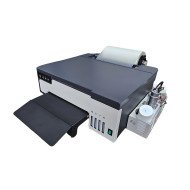
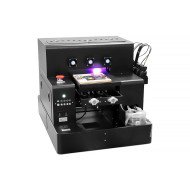
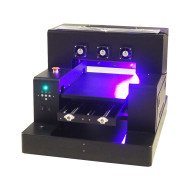
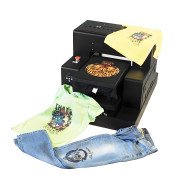
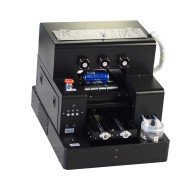
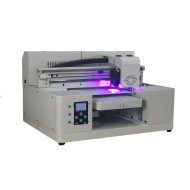
Choosing the right hybrid printer depends on your specific needs—volume, types of materials, and desired quality level. For many businesses, starting with a system like the A4 UV DTF Printing Machine can be a good move. It offers versatility for various applications, from small-scale custom jobs to larger commercial orders.
Think of it as gaining a Swiss Army knife for your printing shop—able to handle multiple tasks without multiple setups. Investing wisely in a hybrid system can improve efficiency, reduce costs, and elevate the quality of your output, helping you stand out in a competitive marketplace.
FAQs
Q1: How does hybrid printing differ from traditional printers?
Hybrid printers combine digital and offset printing technologies in one device, offering greater flexibility, speed, and cost savings compared to using separate machines for each process.
Q2: Can hybrid printing handle small batches and large runs?
Yes. Hybrid systems are designed to efficiently manage both small customized jobs and large-volume print runs without compromising on quality or speed.
Q3: Is hybrid printing cost-effective for small businesses?
Absolutely. It reduces equipment costs, minimizes waste, and increases productivity, making it an excellent choice for small to medium enterprises.
Q4: What types of materials can hybrid printers handle?
They can print on various substrates such as paper, cardboard, synthetic materials, and even some textiles, depending on the specific model and configurations.
Q5: How easy is it to operate a hybrid printing system?
Most modern hybrid printers feature intuitive interfaces and automated processes, making them accessible even for operators with limited technical experience.




Leave a Comment