
How DTG Printer Is Changing the Landscape of On-Demand Manufacturing

Feeling frustrated with traditional manufacturing delays and high costs?
You're not alone. Many business owners and entrepreneurs face challenges when it comes to scaling custom product orders quickly and affordably. That's where the DTG printer is making a real difference. If you've been wondering how this technology is transforming the way we produce on-demand, stick with me – I"ll break it down.
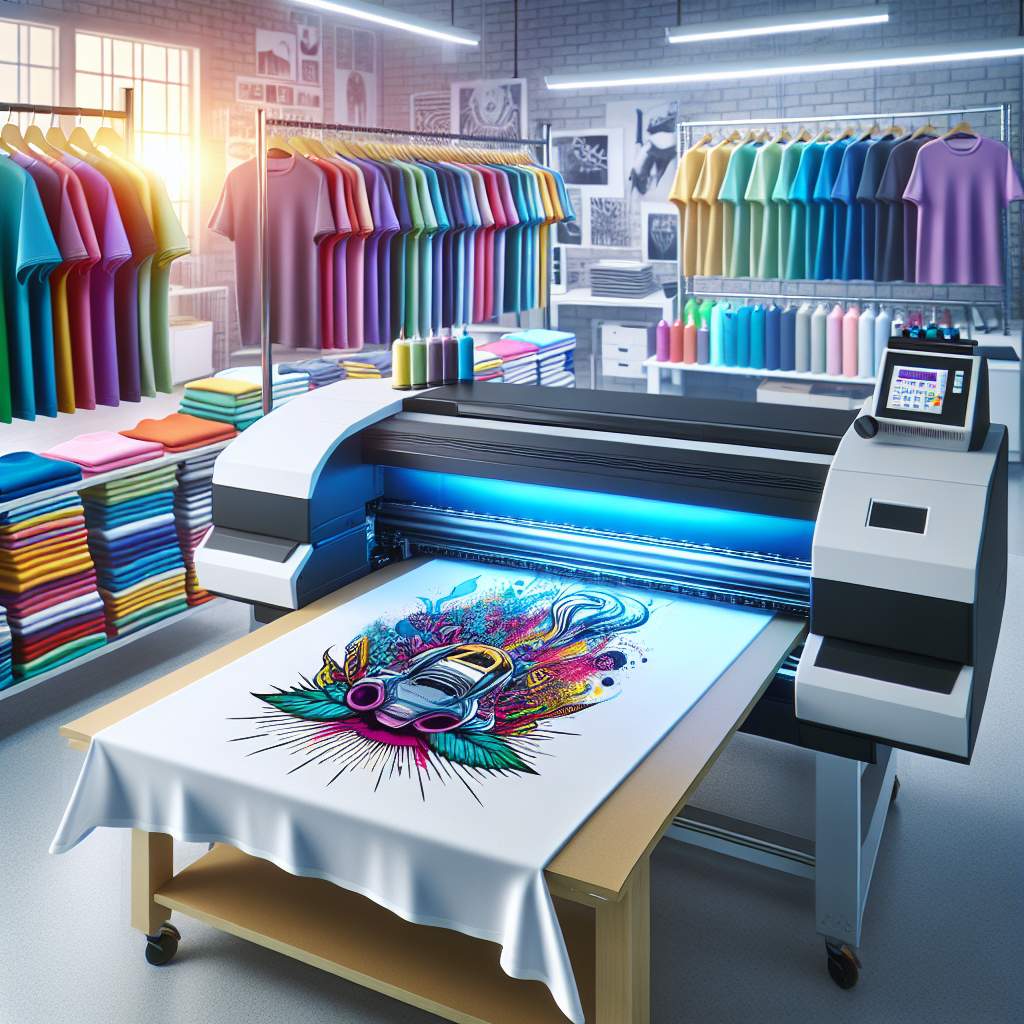
What exactly is a DTG printer?
Understanding Direct-to-Garment (DTG) Technology
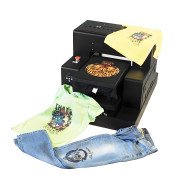
At its core, a DTG printer is a digital printer that applies ink directly onto fabric, usually T-shirts, hoodies, or other apparel. Think of it like a high-tech inkjet printer but designed for fabric. Instead of silkscreen or heat transfers, DTG allows for complex, colorful designs to be printed with precision and detail. The result? Custom products that look sharp and are ready in just minutes.
How is DTG changing the landscape of on-demand manufacturing?
Speed and Flexibility
Traditional manufacturing often involves bulk orders, long print runs, and cumbersome setup times. DTG flips that model. You can now create a single item or a small batch without the need for costly screens or molds. This means faster turnaround times and lower inventory costs, especially vital for small businesses or entrepreneurs who want to test new designs without heavy upfront investment.
Cost-Effective Small Batch Printing
Remember chatting with a friend who wanted to launch a clothing line? Before DTG, you"d need huge orders to keep costs down. Now, small batch runs are affordable, thanks to digital printing. No more leftover inventory or unsold stock. You can produce only what you need, exactly when you need it.
High-Quality, Detailed Prints
Gone are the days of limited color palettes or blurry images. DTG printers produce vibrant, photo-quality images with smooth gradients and hundreds of colors. This allows brands to push creative boundaries and offer customer-specific designs that stand out. Whether it's a photographic image or complex artwork, DTG handles it well.
What makes a good DTG printer for your business?
Key Features to Look For
- Print Resolution: Look for printers with at least 720 dpi for sharp, detailed images.
- Print Speed: Depending on your volume, consider speed metrics like prints per hour.
- Compatibility: Ensure it works well with your preferred fabrics and garment types.
- Ease of Use: A user-friendly interface reduces training time and errors.
- Maintenance & Support: Reliable service and easy maintenance ensure minimal downtime.
Example: The GNF EI A3 DTG Printer
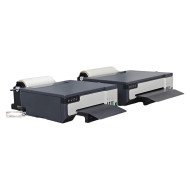
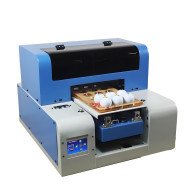
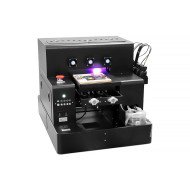
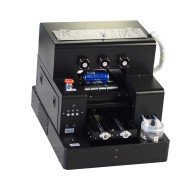
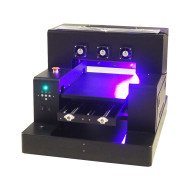
If you're serious about quality and efficiency, check out the A3 DTG Printer from GNF EI. It"s designed for small to medium-sized businesses and offers high-resolution printing, fast turnaround times, and excellent support. Many photographers and boutique brands swear by it for detailed artwork and fast production.
Real World Impact: A Coffee Shop Turns to DTG
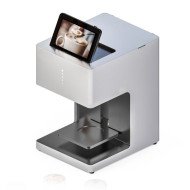
Imagine chatting with Sarah, who runs a local coffee shop. She decided to start offering custom shirts, mugs, and tote bags as merch. Using a DTG printer, she can produce limited-edition designs on the spot, even during busy weekends. Her customers love the personal touch, and she saves money by avoiding large bulk orders. This shift turned her side hustle into a profitable extension of her brand.
Frequently Asked Questions
Is DTG printing suitable for large order volumes?
While DTG is excellent for small batches and custom designs, it can handle larger volumes with the right equipment. For very high-volume manufacturing, traditional methods might still be more cost-effective, but technology is rapidly improving.
What types of fabrics can I print on with a DTG printer?
Most DTG printers work well with 100% cotton and cotton blends. Some newer models can handle polyester blends better, but always check compatibility before purchasing.
How durable are DTG prints?
High-quality DTG prints are quite durable if proper curing and washing instructions are followed. They typically last through hundreds of washes without significant fading.
What are typical operating costs?
Costs include ink, maintenance, and initial investment. Ink costs depend on volume, but since you"re printing directly onto the fabric, waste is minimal. Maintenance costs vary by model but are generally manageable with regular cleaning.
Can I print on other products besides apparel?
While primarily used for clothing, DTG printers can also print onto certain fabric accessories like tote bags or pillow covers, depending on the printer"s capabilities.
DTG printing is definitely reshaping how small businesses and brands approach on-demand manufacturing. It offers unprecedented flexibility, quality, and speed, empowering creators to bring ideas to life instantly and affordably.



Leave a Comment