How do UV printers compare to traditional inkjet printers?
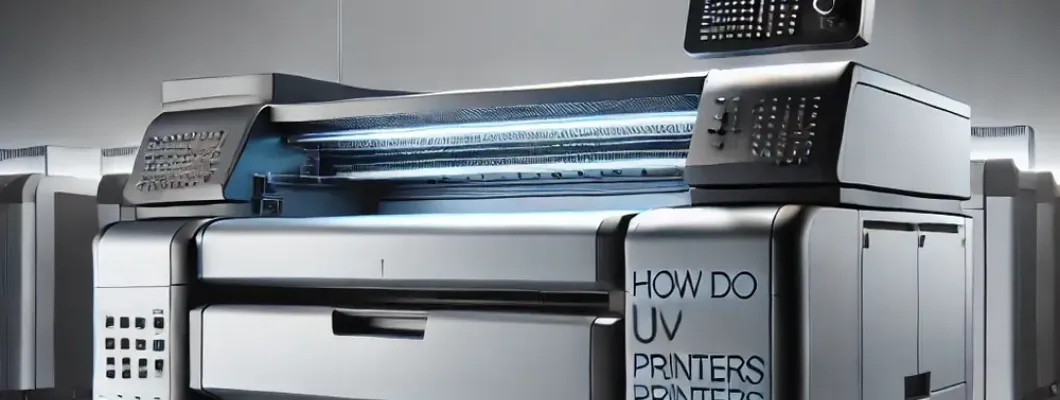
How Do UV Printers Compare to Traditional Inkjet Printers?
In today’s fast-evolving printing industry, businesses are continuously evaluating the latest technologies to achieve better results, efficiency, and cost savings. Two of the most prominent options currently on the market are UV printers and traditional inkjet printers. But how do they stack up against each other? This blog post provides a comprehensive comparison of these innovative technologies, exploring their differences, applications, costs, and benefits so you can make an informed decision for your business.
The Basics: What Are UV Printers and Traditional Inkjet Printers?
What Is a Traditional Inkjet Printer?
Traditional inkjet printers work by spraying tiny droplets of liquid ink directly onto a substrate, such as paper, canvas, or film. These printers rely on solvent- or water-based inks, which require time to dry and are typically designed for use with standard materials like paper or light cards. Inkjet printers are highly versatile for basic printing applications and are often used for office, home, and light commercial purposes.
What Is a UV Printer?
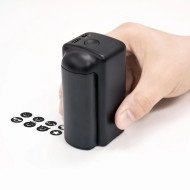
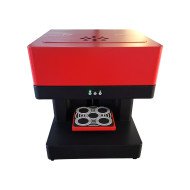
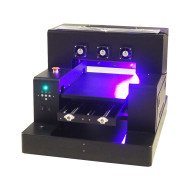
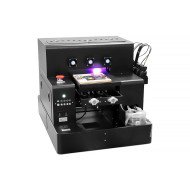
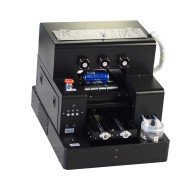
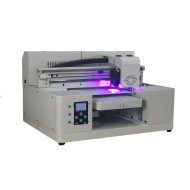
UV printers, short for ultraviolet printers, represent a more advanced type of digital printing technology. These machines use UV light to instantly cure (dry or solidify) specially formulated inks as they are printed. This unique curing process allows UV printers to print on a wide variety of surfaces, including glass, wood, metal, ceramics, PVC, and even fabric. Additionally, UV printing eliminates the need for post-printing processes like lamination, offering faster turnaround times.
Comparing UV Printers and Traditional Inkjet Printers
1. **Material Versatility**
UV Printers: UV printers excel in material versatility. Thanks to their instant curing process, they can print directly on flat, textured, or even curved surfaces. This makes them ideal for industries like promotional products, interior décor, signage, and packaging, where a wide variety of materials such as plastics, glass, leather, and wood are used.
Traditional Inkjet Printers: Inkjet printers are typically limited to materials like paper, cardboard, and film. While they produce high-quality prints, their applications are narrower, which can be a limitation for businesses looking to innovate or expand their offerings.
2. **Print Durability and Outdoor Resistance**
UV Printers: Prints produced by UV printers are highly durable, weather-resistant, and scratch-resistant. They hold up well outdoors, withstanding sun exposure, rain, and general wear and tear for years without fading. This makes them perfect for outdoor signage, vehicle wraps, and industrial labels.
Traditional Inkjet Printers: While inkjet prints are vibrant and of high quality, their durability is lower. Without additional finishing processes like lamination, they are prone to smudging, fading, and damage from water exposure, particularly in outdoor environments.
3. **Print Speed and Efficiency**
UV Printers: UV printers are known for their speed and efficiency. The instant drying process eliminates downtime associated with waiting for prints to cure. Additionally, the ability to skip steps like lamination or varnishing means you can deliver finished products faster.
Traditional Inkjet Printers: Inkjet printers typically require more time due to their ink-drying process. If post-processing steps like lamination are required for durability, the production process becomes even slower.
4. **Cost Effectiveness**
UV Printers: While UV printers require a higher upfront investment, their cost-per-print can be lower for businesses printing on diverse materials or in larger volumes. Furthermore, eliminating additional finishing processes saves time and costs over the long term.
Traditional Inkjet Printers: Inkjet printers are more affordable initially, making them a great option for businesses or individuals with limited budgets. However, recurring costs for solvents, lamination, and frequent maintenance can add up over time, especially for commercial-use scenarios.
5. **Environmental Impact**
UV Printers: UV printing is generally considered more eco-friendly, as it does not release volatile organic compounds (VOCs) into the air. Additionally, the instant curing process reduces waste since there is no need for solvent-based inks or drying chemicals.
Traditional Inkjet Printers: Traditional printers often rely on solvent-based inks, which can produce VOC emissions and require careful disposal to prevent environmental harm. Businesses prioritizing sustainability may find UV printers to be a better choice.
6. **Maintenance and Longevity**
UV Printers: UV printers require regular cleaning and maintenance of the print heads to ensure optimal performance, especially if they are not used daily. However, their advanced technology ensures a longer lifespan for high-production environments.
Traditional Inkjet Printers: While generally reliable, traditional inkjet printers can suffer from frequent nozzle clogs and ink wastage over time, particularly in high-use scenarios. As a result, maintenance costs can be higher for businesses relying heavily on inkjet technology.
When to Choose a UV Printer Over a Traditional Inkjet Printer
Here are some scenarios in which a UV printer would be the better choice:
- If you need to print on a variety of materials, including non-porous surfaces like glass, plastics, and metals.
- If your business requires fast turnaround times and streamlined production processes.
- If you produce items for outdoor use and need prints that can withstand weather exposure.
- If you want to eliminate the added costs and time associated with lamination or varnishing.
- If sustainability and reducing VOC emissions are important to your business operations.
Conclusion: Which Printer Is Best for Your Needs?
Ultimately, the decision between a UV printer and a traditional inkjet printer depends on your specific business needs. If your focus is on producing high-quality prints on standard materials like paper at a lower initial cost, a traditional inkjet printer may suffice. However, if your business requires versatile printing capabilities, durable products, faster turnaround times, and environmental efficiency, investing in a UV printer will provide substantial benefits in the long run.
Our advanced UV printing solutions offer unparalleled flexibility, quality, and efficiency to meet your specific business needs. Take the next step in optimizing your printing operations and future-proofing your business with our premium line of UV printers.
Choosing the right printer for your business is a major decision—so why not start by investing in a solution that guarantees results?