How Can a DTF Printer Really Impact Your Business Bottom Line?
How Can a DTF Printer Really Impact Your Business Bottom Line?
In today’s fast-paced, customer-driven markets, businesses in the custom apparel, merchandise, and textile industries are turning to advanced technology to increase efficiency, reduce costs, and elevate product quality. One standout innovation that has captured the attention of business owners across the globe is the dtf printer. Short for Direct-to-Film, a dtf printer unlocks incredible potential for entrepreneurs and industrial-scale operations seeking to streamline their printing processes and enhance their profit margins.
Whether you're an established print shop looking to scale, a small business owner tapping into custom designs, or a startup exploring garment decoration, adopting a DTF printer offers transformative benefits. This detailed guide breaks down the technical nuances, financial advantages, and operational efficiencies of DTF printing technology for your business.
What Is a DTF Printer and How Does It Work?
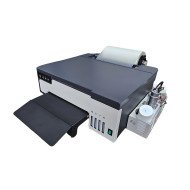
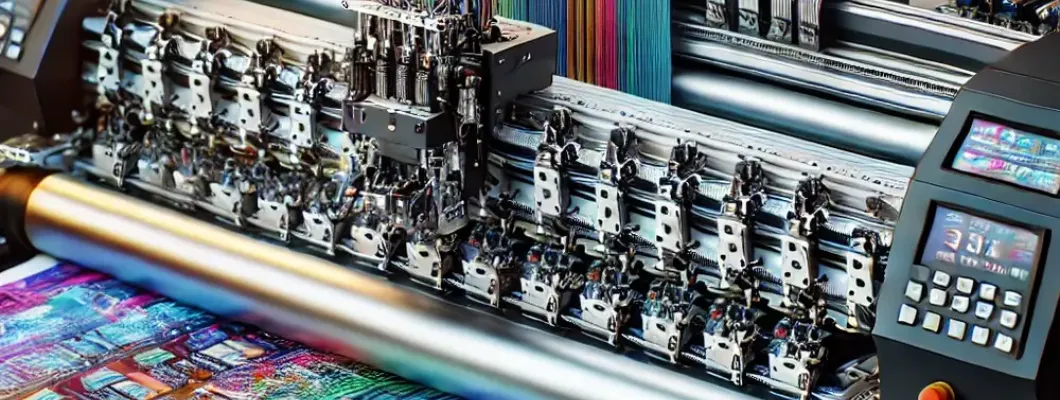
A Direct-to-Film (DTF) printer is a cutting-edge machine designed to print high-quality, full-color designs onto specialized PET (polyethylene terephthalate) film. Unlike traditional methods such as Direct-to-Garment (DTG) or screen printing, DTF uses heat transfer technology to apply the design onto textiles like t-shirts, hoodies, cotton, polyester, and even nonfabric surfaces. The result? Vibrant, durable, and detailed prints that outperform traditional techniques in terms of versatility and resilience.
The Key Components of a DTF Printer
- Specialized PET Film: Acts as the medium that holds the printed design, later transferred to the fabric using heat and pressure.
- RIP Software: The DTF process relies on advanced software to create color separations and precise designs.
- White Ink Circulation System: Prevents clogging, ensuring smooth delivery of white pigment required for vibrant and opaque designs.
- Heat Press: Transfers the printed design from the PET film onto the final product through high temperature and pressure.
The simplicity of the process masks the technical sophistication of the machinery, making DTF printers a game-changer for diverse business sizes, from sole proprietors to large-scale industrial outfits.
Top Five Benefits of Adding a DTF Printer to Your Operations
Investing in a DTF printer isn’t just about upgrading technology—it’s about unlocking profitability and operational excellence. Here’s how:
1. Expand Your Product Range
A DTF printer enables you to print on virtually any material, from cotton and polyester to nylon blends and more. This versatility opens doors to new product lines that were previously unattainable with traditional printing methods. Think beyond t-shirts—image designs on tote bags, hats, gloves, shoes, or even promotional items like umbrellas and mugs.
2. Reduce Production Costs
Traditional screen printing and embroidery often incur high material and setup costs. In contrast, a DTF printer reduces waste and eliminates the need for expensive screens or excessive ink, delivering cost-effective production on small and large scales alike. This means higher margins with less overhead, allowing businesses to remain competitive in price-sensitive markets.
3. Superior Print Quality
DTF printers provide unmatched color vibrancy and durability. Design details are sharper, colors pop more vividly, and the prints resist cracking or peeling even after multiple washes. With no compromise on quality, businesses can enhance customer satisfaction and reduce returns due to defective prints.
4. Rapid Turnaround Times
The quick and straightforward DTF process translates into faster order fulfillment. Whether handling bulk orders or one-offs, businesses using DTF printers can meet tighter deadlines and delight their customers with shorter lead times.
5. High ROI and Scalability
By offering scalability and versatility, adding DTF technology to your production line can maximize ROI (return on investment). With relatively low maintenance costs and durable hardware, businesses can grow sales exponentially without proportional increases in production expenses.
DTF Printer Features That Impact Bottom-Line Results
When it comes to ensuring that a DTF printer delivers significant returns to your business, certain technical features make all the difference. Here’s what to look for:
- White Ink Circulation: Prevents sedimentation, ensuring consistent print quality.
- Auto Cleaning Systems: Decreases manual intervention and printer downtime.
- High Resolution: Look for printers offering at least 1440 dpi for sharp, photorealistic prints.
- Large Format Printing: A3 or roll-fed systems for handling bigger designs or higher production volumes.
- Rugged Durability: Industrial-grade components that support high daily output without wear and tear.
Is a DTF Printer Right for Your Business? A Cost-Benefit Analysis
Many apparel decorators wonder if a DTF printer is worth the investment. Let’s take a closer look at the math behind the machine:
Initial Costs
DTF printers can range in price from $1,499 for entry-level models to upward of $10,000 for advanced industrial-grade machines. However, these costs represent a one-time investment as opposed to recurring costs in traditional methods.
Operational Costs
- Ink and Film: White and color inks, along with heat transfer films, are the primary consumables. Opt for bulk purchases to keep costs down.
- Maintenance: Automated cleaning systems and intelligent ink circulation help minimize repair-related expenses.
Revenue Potential
Custom apparel and merchandise is a booming industry. With DTF’s ability to cater to personalized small-batch orders or bulk production, even smaller operations can command premium pricing for vibrant, durable designs with fast turnaround times. It’s not uncommon to recover machine costs within just months of steady operation.
Common Mistakes to Avoid When Adopting a DTF Printer
While adding a DTF printer can yield exceptional results, there are common pitfalls that businesses should avoid:
- Neglecting regular maintenance, leading to poor print quality and higher downtime.
- Using low-quality consumables that compromise durability and look of the finished product.
- Failing to train the staff properly, which could undermine the efficiency of your operations.
Avoiding these mistakes ensures that your business leverages the full potential of DTF technology.
Expert Verdict on DTF Printer Investment
From superior print quality to operational efficiency, a DTF printer is undeniably one of the most transformative tools you can introduce to your business. For entrepreneurs seeking to scale operations or enter competitive markets, the extraordinary versatility and cost-effectiveness of DTF technology represent a golden opportunity to thrive and stand out.
At GNFEI TECHNOLOGY, we understand the intricacies of industrial printing and how they impact your overall bottom line. If you’re looking to explore the future of textile printing, consider the dtf printer lineup engineered for outstanding performance and reliability.