
How a UV Printer Is Powering Customization in the Experience Economy
Are you struggling to stand out in today"s crowded marketplace? Do you want to deliver unique, personalized experiences that keep your customers coming back? If so, understanding how a UV printer is powering customization in the experience economy can transform your business approach.
The rise of the experience economy has shifted consumer preferences from simply buying products to seeking memorable, tailored interactions. Businesses that leverage advanced printing technology, particularly UV printers, are gaining a competitive edge by offering truly customizable products. These printers enable vibrant, detailed, and durable artwork on a range of surfaces, opening new doors for innovation.
What Is a UV Printer and Why Is It a Game-Changer?
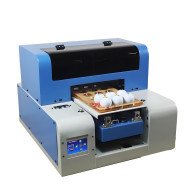
A UV (ultraviolet) printer is a state-of-the-art digital printing device that uses ultraviolet light to instantly cure or dry ink as it is printed. Unlike traditional printing methods, UV printing offers superior adhesion, vibrant color output, and the ability to print directly on almost any material—plastic, glass, wood, metal, or even fabric.
Imagine chatting with a friend about personalized gifts. They tell you about a custom-made phone case with their favorite artwork or a unique piece of home decor they've recently found. That"s the power of a UV printer in action. It turns ordinary surfaces into extraordinary, one-of-a-kind items—something that customers increasingly demand in today"s experience-driven economy.
How a UV Printer Powers Customization in the Experience Economy
Here"s what makes UV printers essential for businesses aiming to participate actively in the experience economy:
- Fast Turnaround Time: UV printers cure ink instantly, allowing for rapid production and quick delivery of personalized products. This speed satisfies the modern customer"s demand for instant gratification.
- Exceptional Quality and Durability: Printed images are sharp, vibrant, and resilient—resisting scratches, UV rays, and wear-and-tear. This durability enhances customer satisfaction and brand loyalty.
- Versatility in Materials: UV printing works on a variety of surfaces, enabling customization across multiple product lines — from promotional items to high-end luxury goods.
- Cost-Effective Short Runs: Traditional customization might require expensive molds or screens. A UV printer makes small, even single-item runs affordable, perfect for testing new ideas or seasonal offerings.
- Supports Personalization: Consumers want products that reflect their personality. UV printers facilitate easily adjustable designs, photos, and text for each order.
Real-Life Examples of UV Printing Success
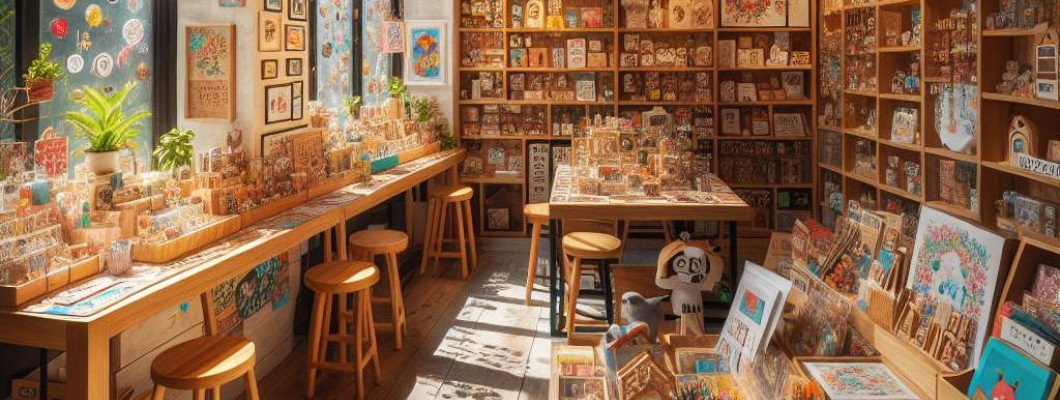
Take a small gift shop owner who decided to incorporate UV printing. She started crafting personalized jewelry boxes, each with custom initials or designs. Customers loved the unique touch, and her business grew rapidly. Or consider a corporate event organizer printing branded items like drinkware and awards, making each piece special and memorable. These examples demonstrate how a UV printer can turn standard goods into personalized experiences that resonate deeply with customers.
Integrating UV Printing Into Your Business
To harness its benefits, you need to understand the key steps for seamless integration:
- Assess Your Product Range: Identify surfaces and items that could benefit from customization.
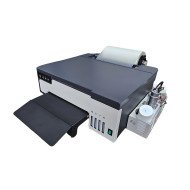
- Invest in the Right Equipment: Choose a UV printer that fits your production volume and surface requirements. For example, see our recommended [UV coating printer](https://www.gnfei.com/a3-spot-uv-printing-machine-uv-coating-printer).
- Train Your Team: Ensure staff understand the nuances of UV printing, including color management and surface preparation.
- Develop a Clear Workflow: From design to final print, optimize your process for speed and quality control.
- Market Your Customization Capabilities: Highlight your personalized offerings in your marketing campaigns to attract more customers seeking unique experiences.
Future Trends in UV Printing and Customization
The technology continues to evolve, making UV printing even more accessible and versatile. Innovations such as integration with 3D printing or automation are on the horizon. Additionally, environmentally friendly inks and energy-efficient curing processes align with the growing consumer demand for sustainability. Business owners who stay ahead of these trends will continue to offer compelling, personalized experiences that differentiate them from competitors.
FAQs About UV Printing and Customization in the Experience Economy
- Can UV printers print on any surface? Mostly yes; they can print on many surfaces, including plastic, glass, wood, and metals, but some materials may require special preparation.
- Is UV printing durable enough for outdoor use? Yes. UV prints are resistant to scratches and UV exposure, making them suitable for outdoor and high-traffic applications.
- What is the turnaround time for a custom UV printed item? Typically, within minutes of printing, thanks to instantaneous curing. This enables fast delivery for personalized products.
- How does UV printing compare to traditional methods like screen printing? UV printing offers full-color, detailed, and small-batch printing without the need for costly setup or molds, making it more flexible for customization.
- What are the environmental impacts of UV printing? Modern UV inks are increasingly eco-friendly, with lower VOC emissions and energy-efficient curing processes, aligning with sustainability goals.













Leave a Comment