
How a T-SHIRT PRINTER Helps Reduce Returns Through Better Print Accuracy
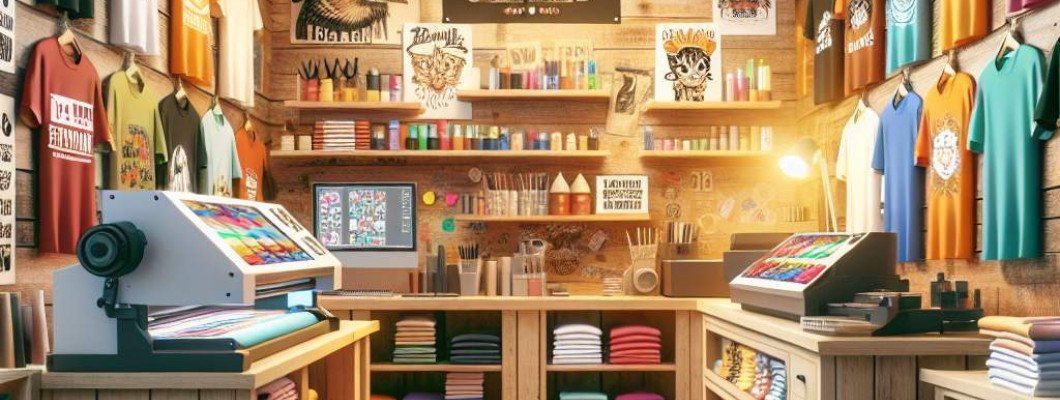
Are you tired of dealing with high product return rates when selling custom t-shirts? Do inconsistent print quality and errors ruin your reputation and squeeze your profits? If so, understanding how a T-shirt printer can help reduce returns through better print accuracy is essential for your business's growth and customer satisfaction.
Many entrepreneurs and print shop owners face similar challenges. The core issue often lies in the printing technology they use. When print accuracy isn"t up to par, designs may bleed, colors may shift, or the print may simply not match the customer"s expectations. This leads to increased returns, unhappy clients, and wasted resources. Investing in a reliable T-shirt printer isn"t just about output volume — it"s about precision, consistency, and quality control. These factors directly impact your bottom line and customer loyalty.
How Print Accuracy Impacts Customer Satisfaction
Imagine ordering a custom graphic t-shirt for a special event. You"re excited to wear it, but when it arrives, the print isn"t aligned, or the colors look dull or off from what you envisioned. This disappointment causes a return, or worse, a negative review. For a business, such situations can be costly, both financially and for reputation.
Here's why precise print technology matters:
- Consistent results: High-quality printers produce identical prints across multiple shirts, reducing surprises for customers.
- Accurate color reproduction: Ensures that the design appears exactly as artworked, preventing returns caused by color mismatches.
- Sharp detail and crisp images: Complex designs with fine details look professional, increasing satisfaction and reducing complaints.
- Fewer reprints: Correctly aligned prints on the first attempt cut costs and speed up delivery.
Technology Behind Better Print Accuracy
Modern T-shirt printing technology, especially direct-to-garment (DTG) printers, plays a significant role in ensuring print precision. These printers use advanced inkjet mechanisms to transfer detailed images directly onto fabric, offering unmatched fidelity. Some features that contribute to higher accuracy include:
- Precise print heads: Allow for tighter control over ink placement, resulting in sharper details.
- High-resolution printing capabilities: Capture intricate artwork without blurring or pixelation.
- Consistent ink flow systems: Prevent color bleeding or uneven coverage, maintaining uniformity across batches.
- Optimal calibration: Ensures color accuracy and proper alignment for every print run.
Choosing the Right T-shirt Printer for Your Business
Not all printers are created equal. When selecting a T-shirt printing machine that focuses on reducing returns, consider the following factors:
- Print resolution: Higher resolutions (at least 720dpi) guarantee sharper images and detailed graphics.
- Color management: Built-in color calibration tools to match your artwork accurately.
- Ease of maintenance: Less downtime means consistent output and less chance for errors.
- Compatibility with various fabrics: Flexibility to handle different materials maintains print quality across products.
- Support and warranty: Reliable customer support ensures quick resolution of technical issues that could affect print accuracy.
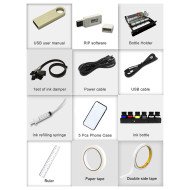
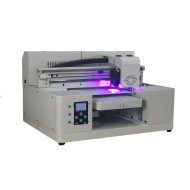
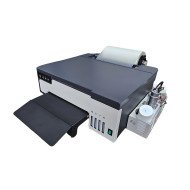
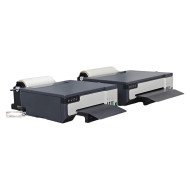
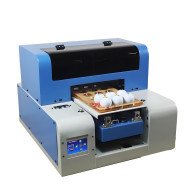
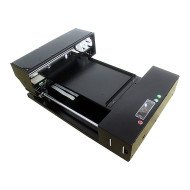
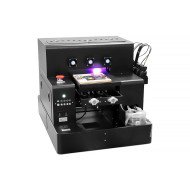
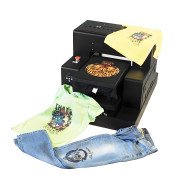
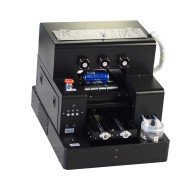
If you're considering a top-tier device, check out the A3 DTG Printer — it combines precision and reliability to help you minimize returns caused by print inaccuracies.
Implementing Quality Control to Reduce Returns
While upgrading your printer is crucial, integrating quality control procedures enhances results further:
- Pre-press checks: Always confirm that artwork is correctly prepared for printing, with accurate color profiles and proper sizing.
- Test prints: Run test prints for new designs to ensure alignment and color fidelity before mass production.
- Regular calibration: Schedule maintenance and calibration to keep machines performing at peak accuracy levels.
- Staff training: Ensure your team understands how to operate the printer effectively and identify quality issues early.
- Feedback loop: Collect customer feedback about print quality and address recurring issues promptly.
Cost vs. Benefit: Investing in Print Precision
Spending on high-quality printing equipment may seem significant at first. However, the reduction in product returns, reprints, and customer complaints can outweigh the initial costs. Think of it as an investment in your brand"s reputation and operational efficiency.
Better print accuracy means:
- Fewer wasted shirts and inks
- Higher customer satisfaction and repeat business
- Lower labor and rework costs
- Enhanced ability to offer complex, detailed designs confidently
Taking these steps transforms your business from a low-precision operation into a trustworthy brand that delivers consistent quality every time. This is the competitive edge you need in the crowded custom apparel market.
FAQs About T-shirt Printing and Reducing Returns
Q1: How does a T-shirt printer improve print accuracy?
By utilizing advanced technologies like high-resolution print heads, precise ink flow, and accurate color management, modern printers produce sharper, more consistent images, reducing errors that lead to returns.
Q2: What should I look for when buying a T-shirt printer to minimize returns?
Focus on resolution, calibration features, ease of maintenance, fabric compatibility, and customer support. Machines like the A3 DTG Printer offer excellent reliability in print accuracy.
Q3: How can I ensure my prints stay consistent over time?
Regular calibration, routine maintenance, staff training, and thorough quality checks can maintain high accuracy levels. Recording and comparing print tests helps detect drift early.
Inadequate calibration, low-resolution equipment, mechanical issues, incorrect color profiles, or subpar materials can all compromise print quality.
Q5: Is investing in better equipment worth it for a small business?
Yes. While the initial expense might be higher, the reduction in reprints, returns, and customer dissatisfaction often makes it a smart, cost-effective choice in the long run.







Leave a Comment