
How a Modern T-shirt Printing Machine Handles Small Batches Without Sacrificing Quality
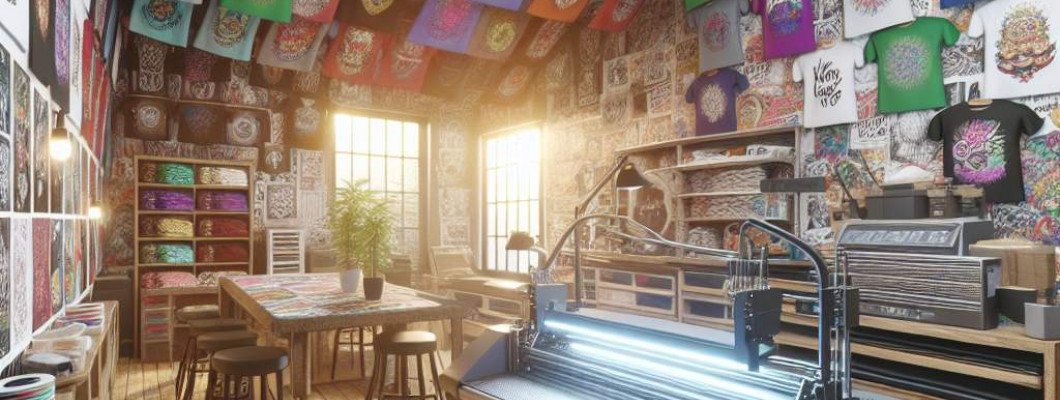
Struggling to deliver high-quality T-shirts in small batches? You"re not alone. Many small businesses and entrepreneurs face the challenge of balancing speed, detail, and cost when handling limited production runs. If you"ve ever wondered how modern printing technology can make small batch production easier without sacrificing quality, you"re in the right place. Today, I"ll share insights into how a **modern T-shirt printing machine** smoothly manages small orders with professional results.
Why Small Batch T-shirt Printing Is Challenging
Let"s face it. Small batches often mean higher per-unit costs and longer setup times. Traditional screen printing, for instance, requires creating screens for each design, which isn"t cost-effective for just a handful of shirts. Plus, inconsistent quality can creep in if the process isn"t precise.
Imagine you"re designing a limited-edition shirt for a local event. Your goal is to get vibrant, durable prints without the expense or delay of large runs. That"s where modern T-shirt printing machines step in. Their advanced tech is designed for flexibility, speed, and quality, even in small batches.
How Modern T-shirt Printing Machines Handle Small Batches
1. Digital Printing Technology
Modern devices like direct-to-garment (DTG) printers use digital printing technology. Unlike older methods, this allows you to print high-resolution images directly onto fabric in a single step. No screens, no setups—just upload your design, press print, and you"re done.
This means:
- No minimum order requirements
- Fast turnaround times
- Vivid, detailed images even on complex designs
For small batches, this is a game-changer because it offers the same quality as large runs but without the costly setup. []
2. Advanced Color Management
Another feature that helps small batch printing stand out is sophisticated color management. Modern machines have built-in systems to ensure consistent colors and quality across print jobs, even with multiple designs or color palettes. So the small batch shirts look professional and match your brand standards.
This minimizes color discrepancies and saves time tweaking each shirt. It"s a reliability factor small businesses need for custom designs, limited editions, & artisanal projects.
[]3. Automation and Precision
Today"s T-shirt printers are equipped with automated features like precise ink delivery and fabric handling. These reduce human error and ensure each shirt looks exactly like the sample.
Plus, automation speeds up the process, keeping costs low for small batches. With consistent quality, you won"t need to do multiple reprints or touch-ups. Think of it as having a mini production line that"s flexible enough to handle your small orders with care.
[]4. Versatility in Fabric and Design
Whether you want to print on cotton, blends, or even polyester, modern T-shirt printers handle various fabrics seamlessly. They can also print detailed photographs, text, or vector graphics without sacrificing quality.
That flexibility means small batches of custom shirts—perhaps for a team, a special event, or limited merchandise—are all within reach without needing multiple machines or processes.
[]Popular Technologies That Make Small Batches Feasible
Some leading technologies that empower small batch producers include:
- Direct-to-Garment (DTG) Printing: Best for small runs and detailed images.
- Sublimation Printing: Ideal for polyester fabrics with vibrant colors.
- UV Printing: For printing directly onto the fabric surface, suitable for special effects.
Choose the right technology based on your fabric and design needs. For most small batch applications, DTG offers the best combination of quality, speed, and cost-efficiency. Learn more about advanced DTG printers here for your small batch needs.
[]Tips for Maximizing Quality with Small Batch Printing
- Invest in quality inks and fabrics: They impact durability and vibrancy.
- Use pre-treatment solutions: They improve ink adhesion and print clarity.
- Maintain your printer regularly: Regular cleaning and calibration prevent issues.
- Optimize your designs: Simplify complex images for best results on limited runs.
Think of it like chatting with a friend about their small business—if they focus on quality materials and regular maintenance, they can produce stunning shirts even in tiny batches.
[]Real User FAQs
Can I produce complex designs with small batch DTG printing?
Yes, modern DTG printers handle high-detail images with ease, making small batch production perfect for intricate designs.
How cost-effective is small batch printing?
It"s generally more affordable than traditional screen printing for limited runs because of minimal setup costs and fast turnaround times.
What fabrics are best for small batch digital printing?
Cotton, blends, and polyester fabrics work well. Make sure to choose the right ink and pre-treatment for optimal results.
How long does it take to print a batch of T-shirts?
In most cases, printing each shirt takes just a few minutes. Batch size impacts total time, but modern machines are quite efficient.
Is small batch printing durable enough for everyday wear?
Absolutely. High-quality inks and proper curing ensure the prints withstand washing and wear, even in small runs.
Overall, if you're looking to handle small batches without sacrificing quality, modern T-shirt printing machines are a smart investment. They give you flexibility, speed, and professional results—saving your business money and boosting your reputation.













Leave a Comment