
How a DTG Printer Turns Fast-Moving Fashion Ideas into Real Products
How a DTG Printer Turns Fast-Moving Fashion Ideas into Real Products
Have you ever wondered how brands manage to keep up with the lightning-fast pace of today"s fashion trends? Or how independent designers transform their latest creative bursts into tangible garments overnight? If so, you're not alone. The secret behind rapid, high-quality apparel production often lies in the power of Direct-to-Garment (DTG) printing.
When you talk about turning quick-shifting fashion ideas into actual products, DTG printers are at the heart of this revolution. They"re reshaping what"s possible in the world of clothing design, making small runs, custom designs, and on-demand production not just feasible, but profitable. Interested in how this process works and why it"s making waves across the industry? Let"s break down the essentials.
What Makes DTG Printing a Game-Changer in Fashion?
Many might think that traditional screen printing is still the go-to for apparel printing. However, DTG printers offer unmatched **flexibility**, **speed**, and **quality** when it comes to printing complex, multi-colored designs directly onto garments. This means designers, brands, and entrepreneurs can now respond instantly to the latest trends or customer requests without long lead times.
Imagine chatting with a friend who runs a small clothing brand. They tell you about a new tie-dye hoodie design that just went viral on social media. Thanks to their DTG printer, they can launch limited editions the same day, copying the trending style precisely, and outsource smaller runs affordably. That"s the power of instant digital printing.
How Does a DTG Printer Work and Why Is It Fast?
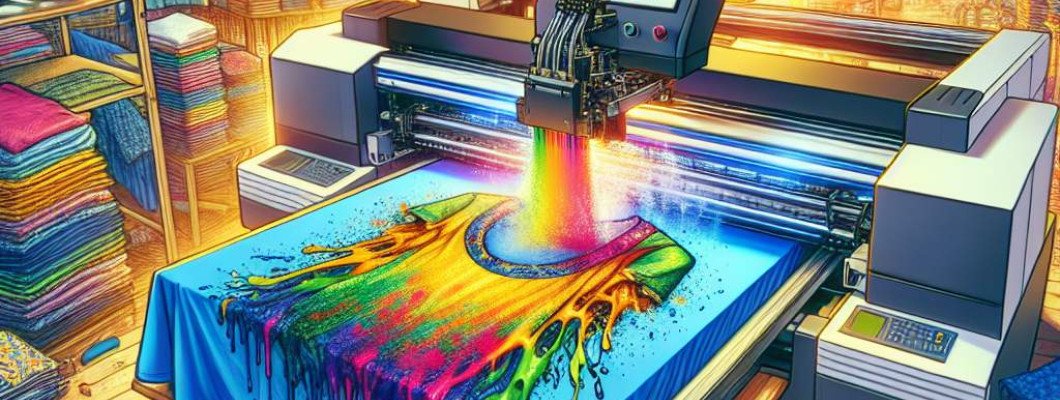
At its core, a DTG printer operates by spraying specially formulated ink directly onto fabrics — similar to how an inkjet printer works on paper. The process involves:
- Creating a high-resolution digital design
- Preparing the garment with pre-treatment to help colors pop and last
- Loading the fabric onto the printer's platen
- Precisely applying ink with multiple color layers as needed
The **speed** of a DTG printer is influenced by several factors:
- High-capacity ink cartridges enable rapid color changes
- Fast print heads that can produce detailed images quickly
- Efficient pre-treatment and curing options that streamline workflow
This combination allows for **short turnaround times**—sometimes within minutes—and the ability to produce **small volume orders** cost-effectively. If you want to see the best in action, check out our DTG printers for industry-leading speed and precision.
Turning Quick-Turnaround Designs into Market-Ready Products
In the fashion industry, speed isn"t just a bonus; it"s a necessity. Brands that can swiftly adapt maintain their competitive edge. Here are some ways DTG printing makes this happen:
- Rapid Prototyping: Test new designs on-demand before committing to large production runs. It helps you refine your patterns and colors in real-time.
- Limited Editions & Pop-Ups: Launch exclusive collections with minimal setup, perfect for seasonal or trending styles.
- Customization & Personalization: Offer customers the chance to customize their apparel, increasing engagement and sales.
- Local & On-Demand Production: Reduce shipping times and costs by printing closer to your customers, making fast fashion sustainable and more responsive than ever.
This agility enables brands to stay relevant, catering to evolving consumer tastes with **quick, high-quality products**. Combining digital design tools with DTG technology transforms the traditional fashion model into a **fast, flexible system** that meets today"s market demands.
The Advantages of Using a DTG Printer for Your Fashion Business
If you"re considering integrating a DTG printer into your workflow, here are some benefits you can expect:
- High-Resolution Prints: Achieve detailed images with vibrant colors, making your designs stand out.
- Cost-Effective for Small Batches: No need for expensive screens or setups when producing limited runs.
- Shorter Lead Times: Move from design to finished product faster than traditional methods.
- Eco-Friendly Process: Uses water-based inks and minimal waste, aligning with sustainability goals.
- Creative Freedom: Print complex, multi-color designs without additional costs or delays.
In today"s competitive clothing market, agility and quality are key. Using a DTG printer empowers brands to respond quickly, try new ideas, and deliver unique, market-ready products faster than ever before.
Real-World Success: From Idea to Launch in Hours
Take the case of a small startup that developed a trendy graphic tee inspired by pop culture. Instead of waiting weeks for traditional printing setups, they used a DTG printer to produce a handful of prototypes in a day. These prototypes helped them gather customer feedback, tweak their design, and then launch a limited run within 48 hours.
This rapid turnaround not only saved costs but also created buzz around their brand, allowing them to capitalize on a viral moment. The ability to turn "fast-moving" ideas into commercially viable products is exactly what makes DTG printing invaluable for modern fashion entrepreneurs.
Frequently Asked Questions
1. What fabric types can a DTG printer print on?
Most DTG printers are optimized for 100% cotton or cotton-blend fabrics. Some models can handle polyester or mixed fabrics with specific pretreatment. Always check the printer specifications for compatibility.
2. How durable are DTG prints?
When properly cured and cared for, DTG prints are highly durable, withstanding regular washing and wear. Using quality inks and pre-treatment improves longevity significantly.
3. Is DTG printing cost-effective for small batches?
Yes, unlike screen printing, DTG doesn"t require costly setup fees, making it ideal for small runs or even one-off custom designs. It"s a flexible investment for startups and small businesses.
4. Can I print on dark-colored garments?
Absolutely. DTG printers often have white ink capabilities, allowing for vibrant images on dark fabrics. Proper pre-treatment ensures the colors stand out.
5. What is the turnaround time for a DTG print?
Typically, a high-quality print can be completed within 10-20 minutes per garment, with the entire process from design to finished product taking a few hours for small batches.
Embracing DTG printing means you can keep up with the pulse of modern fashion swiftly and efficiently. Turning fast-moving ideas into real products is no longer a challenge but an opportunity—with the right technology, your brand can thrive in today"s rapid-cycle market.














Leave a Comment