How a 3D Latte Art Printer Can Skyrocket Your Cafe's Social Media Engagement
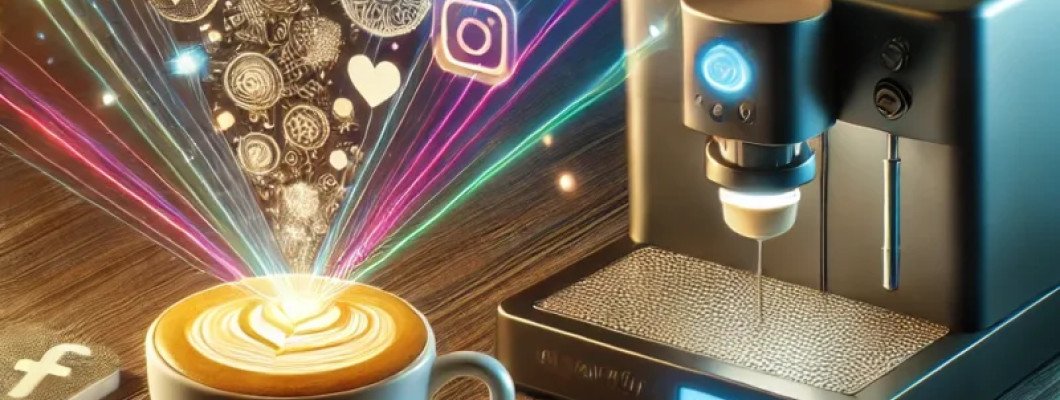
Understanding the Core Impact of 3D Latte Art Printers on Cafe Social Media Strategy
Capturing consumer attention in the café market is no longer about just good coffee. Social media visibility forms a critical pillar for customer acquisition and brand loyalty. Among innovative tools, 3D latte art printers have emerged, creating intricately detailed foam designs that human baristas cannot replicate consistently. But how does this technology directly influence your café’s social media engagement metrics? And what underlying operational challenges should you anticipate?
Why Traditional Latte Art Fails to Sustain Social Buzz
Handcrafted latte art appeals to the eye but suffers from variability; even skilled baristas produce imperfect results under busy conditions. Variance in temperature, milk texture, and operator skill affect the final design’s clarity and consistency. Social media users expect visual perfection, which translates into shareable posts and positive brand impressions. Unfortunately, organic latte art falls short of this scale for daily, repeatable posts.
On the other hand, 3D latte art printers impose precision powered by digital design and automation—factories of flawless foam designs every morning.
How Automation Elevates Social Media Metrics
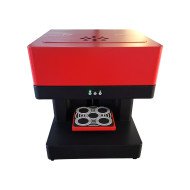
The mechanical reproducibility of a 3D latte art printer assures a consistent output that aligns with brand design guidelines. By integrating trending graphic templates or customer names, cafes can produce a daily feed of visually compelling images. These photos and videos, when shared on platforms like Instagram and TikTok, stimulate higher user interaction rates including likes, comments, and shares.
Case Study Highlight: A Medium-Sized Cafe’s Social Uplift Post Printer Installation
A 120-seat café in Seattle implemented a 3D latte art printer from GNFEI. Within 30 days, their tagged social media posts increased by 45%. Engagement rates for posts featuring latte art grew by 65% compared to standard coffee photos. This empirical data validates the technology’s direct influence on digital brand equity.
Technical Breakdown: How a 3D Latte Art Printer Operates and Its Integration Challenges
Unlike standard digital printers, 3D latte art printers combine thermal inkjet or piezoelectric technology with food-grade edible inks designed for milk foam surfaces. The complexity of this process demands attention to several operational parameters.
Printing Mechanics and Ink Formulation
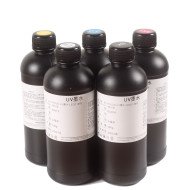
Edible inks used in 3D latte art printing must balance viscosity, color saturation, and drying speed to avoid foam collapse or spread. Standard food-safe pigments include activated carbon for black, spirulina for green, and roasted beet for red hues. Ink stability and printhead compatibility impact print resolution and color fidelity.
Integration Within a Café Workflow
Placement of the printer near the service station minimizes workflow disturbance. However, optimal positioning must consider proximity to power supply, ease of cleaning, and barista accessibility for quality control. Operational training ensures that baristas can troubleshoot minor ink clogs or foam variability promptly.
Common Faults and Step-by-Step Maintenance Procedures
The most frequent issues include:
- Printhead Clogging: Caused by ink sedimentation, especially with white edible inks. Recommended maintenance includes flushing with warm water every 48 hours. GNFEI advises a cleaning cycle using a proprietary enzymatic detergent weekly.
- Foam Texture Inconsistency: Variations in milk temperature and frothing time disrupt the printing surface. Baristas should maintain milk at 60-65°C with 1.5mm foam thickness confirmed by a calibrated froth meter.
- Operational Software Glitches: Firmware updates from GNFEI typically resolve compatibility problems with new graphic templates. A bi-monthly update check is mandatory.
Economic Analysis: Calculating ROI for a 3D Latte Art Printer Investment
Initial equipment costs range from $8,000 to $15,000 depending on printer model and included software bundles. Beyond this, operational expenses include consumables such as ink cartridges, cleaning agents, and labor time allocation.
Ink and Consumable Cost Breakdown
Edible ink cartridges average $45 for 50ml. Each printed cup consumes approximately 0.2ml of ink, translating to $0.18 in ink cost per cup. Including other consumables and routine maintenance supplies, the total variable cost per cup is approximately $0.25.
Labor Cost Considerations
Operating the printer requires minimal additional labor after initial training. Assuming 1 hour of training (valued at $20/hour) and approximately 5 minutes daily for setup and cleaning (approximately $1.50 labor cost per day), labor overhead remains marginal.
Revenue and Marketing Value Attribution
If the average price premium for a latte with 3D printed art is $1.00 above regular pricing, and daily sales reach 100 cups, the revenue impact is $100 per day. Deducting $25 daily consumables and labor yields a net of $75 daily or approximately $2,250 monthly. Over a 12-month period, this translates into $27,000 incremental revenue against an initial investment, delivering a 225% ROI.
Material and Surface Compatibility: Testing Different Substrates
Though milk foam is the primary printing surface, innovative cafes experiment with alternative substrates to extend their printing service scope.
Milk Foam vs. Alternative Bases
Milk foam remains superior due to its moisture content and texture, ideal for absorbing edible inks. However, some cafes try printing on:
- Plant-based Milk Foams: Soy and oat milk foams possess lower protein content, affecting foam stability and print definition. Printing tests demonstrated a 30% decrease in image sharpness compared to dairy foam.
- Chocolate or Caramel Sauces: Provided a glossy substrate but drying time extended ink curing by 40%, slowing service.
- Edible Wafer Leaves: Holds print colors well but lacks the 3D effect visible in foam, reducing visual novelty.
Optimizing Print Adhesion
Successful printing requires a balance of surface moisture and texture. GNFEI recommends maintaining a foam pH around 6.4-6.8 to maximize pigment adhesion without foaming collapse. Gelatin-infused milk tests showed slightly improved pigment locking but increased viscosity, complicating frothing.
Leveraging Content Creation: Best Practices To Amplify Social Reach
Having a 3D latte art printer only sets the stage. Strategic content creation turns visual assets into viral social media moments.
Capturing Print in Action
Video shoots showing the real-time printing process intrigue followers. Time-lapse sequences condense printing from minutes to seconds, enhancing viewer engagement. Establishing a dedicated phone or camera setup with ring light produces professional-grade footage.
Dynamic Content Themes
Content calendars featuring seasonal graphics, trending cultural symbols, or customer personalization drive ongoing interest. GNFEI’s software supports rapid template switching enabling spontaneity for user-generated content ideas.
Measuring and Adjusting Strategy
Monitoring platform analytics reveals peak posting times and engagement hotspots. Cafes should test variations in posting frequency and graphic styles monthly to fine-tune their social algorithm interaction.
Final Thoughts on Adoption: Practical Industry Advice
3D latte art printers represent an intersection of technology and creativity. Yet, their successful long-term deployment depends on recognizing maintenance demands and calculating realistic economic returns. Choosing a reputable supplier like GNFEI guarantees access to not only high-quality equipment but also ongoing training and technical support.
When integrating this technology, consider your café's specific customer base, your brand’s visual identity, and your willingness to invest in continual operational refinement. The printers shine when used as tools for ongoing content generation and authentic interaction rather than as mere gimmicks.
How will you position your café’s story amid the growing competition in both beverage quality and digital presence?