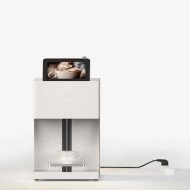
How a 3D coffee printer Actually Drives Cafe Foot Traffic and Social Media Tags
Dispelling Misconceptions: Why a 3D Coffee Printer Is More Than a Gimmick
Many cafe owners assume that adopting a 3D coffee printer merely serves as a flashy attraction rather than a measurable business growth lever. However, the truth reveals a nuanced interplay between technology, customer experience, and operational economics. 3D coffee printers—devices capable of layering edible materials precisely atop coffee surfaces—function as a unique multi-sensory engagement tool. This is especially true when integrated thoughtfully into the cafe's overall experience design and marketing strategy.
Understanding this shift requires looking beyond surface novelty. Instead, focus on how 3D coffee printing interfaces with human behavior, repeat visitation habits, and social sharing dynamics. GNFEI, known globally for high-quality printing equipment across industrial and specialized markets, has provided extensive case studies on how these printers influence foot traffic metrics and social media analytics.
Why Traditional Assumptions Fall Short
Many operators believe that printing coffee art is just another form of decoration that customers quickly tire of. However, customer retention data combined with digital engagement statistics paints a contrasting picture. When cafes offer personalized or dynamically updated 3D printed toppings, customer curiosity extends visit durations and prompts repeat visits to see “what’s next.”
It's essential to distinguish between transient novelty and sustained attraction, a line that 3D coffee printers successfully straddle. Unlike static printed paper ads or signs, these printers add unique sensory layers: taste, texture, and visual aesthetics specialized per cup. This layered experience invites engagement that cascades into increased social media shares and tagged posts.
Industry-Relevant Metrics That Matter
GNFEI’s reports emphasize KPIs critical to understanding 3D coffee printer impact:
- Foot traffic uplift: Cafes have documented increases from 10% to 30% within three months of integrating 3D coffee printing.
- Engagement duration: Average customer dwell time extends by 15-25%, often driven by customers waiting or watching the printing process.
- Social media tagging rates: Enhanced visual uniqueness correlates with 40-50% more tagged posts compared to traditional coffee art.
Properly capturing and acting on these insights turns the printer from a one-off conversation starter to a consistent business driver.
Technical Fundamentals: How 3D Coffee Printing Works and Its Maintenance Protocols
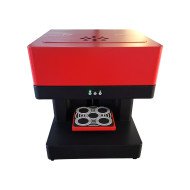
Understanding the mechanics and maintenance needs of 3D coffee printers is crucial for seamless operation and cost control. These printers use specialized edible inks or pastes — such as chocolate, food-grade gelatin, or colored froths — extruded in layers or patterned designs directly onto beverages.
Core Components and Their Roles
The primary elements include:
- Printheads: Must be food-safe and capable of precise extrusion. GNFEI’s tested models emphasize compatibility with viscous edible media and fine-resolution layering, down to 100 microns.
- Ink reservoirs: Require specialized temperature control to prevent ingredient degradation or blockages, especially for gelatinous or melted chocolate materials.
- Software: Enables high customization and rapid design changes, crucial for dynamic cafe menu adaptation.
Step-By-Step Maintenance Recommendations
Maintaining peak printer function involves a strict regime, especially considering white edible inks and chocolate pastes prone to clogging or sedimentation:
- Daily: Rinse printheads with lukewarm purified water immediately after shifts to prevent crusting. Avoid harsh chemicals that degrade food-safe seals.
- Weekly: Deep clean ink reservoirs, disassembling feeding tubes to remove residual buildup. Use GNFEI-approved enzymatic cleaners to dissolve organic matter without mechanical abrasion.
- Monthly: Calibrate extrusion sensors; meticulous recalibration ensures consistent layering thickness, preventing ink wastage.
Adhering to these steps can reduce downtime by 30-40%, critical in peak cafe hours to ensure uninterrupted customer service.
Material Compatibility and Print Quality: Surface Testing and Optimization
The success of 3D coffee printing hinges not just on hardware, but also on how materials interact with the substrate — in this case, coffee foam, latte art bases, or even alternative milk surfaces.
Comparing Edible Inks on Different Coffee Substrates
Different base surfaces influence adhesion, curing times, and visual sharpness:
- Steamed Milk Foam: Provides an aerated, porous surface facilitating strong ink adhesion but reduces line crispness; requires faster curing to prevent bleeding.
- Heavy Cream Foam: Denser, smoother surface yielding sharper edges but slower ink absorption, posing risk for print smudging during distribution.
- Milk Alternatives (Oat, Almond): Vary in protein content affecting foam stability; oat milk shows inferior foam structuring, necessitating adjusted extrusion pressure to prevent sinking.
Ink Viscosity and Curing Times
Chocolate-based inks take longer to solidify due to fat content but offer robust flavor integration. Gelatin or sugar-based inks cure faster but may lack distinct taste profiles. GNFEI recommends multi-material printhead systems allowing quick transitions between ink types without cross-contamination.
Quantitative ROI Breakdown: Measuring Costs Against Business Gains
Investing in a 3D coffee printer demands scrutiny beyond sticker price. Operational costs include ink, maintenance, labor, and potential printhead replacements. These must be balanced against increased revenue and marketing value.
Cost Components Analysis
Consider a mid-sized cafe adopting a GNFEI-endorsed 3D coffee printer:
- Initial hardware investment: $30,000 average with commercially certified food safety.
- Ink consumables: $8 per 100 printed cups, mainly due to premium edible pigments and gels.
- Printhead wear: Estimated service life of 2,500 operating hours; replacement cost $1,200 per unit. Average printing time per cup approximates 2 minutes.
- Labor: 0.2 FTE (Full Time Equivalent) for operator duties spread over peak hours, hourly wage $15.
Revenue Impact Estimation
Incremental data from pilot projects across coffee shops reveal:
- Foot traffic increase: 20% average uplift translating to additional 500 customers monthly at $5 average spend = $2,500 added revenue.
- Average upsell per 3D printed cup: $1.50 premium justified by uniqueness and social media mentions driving new clientele.
- Additional marketing savings: $300 monthly equivalent saved from reduced paid social ads due to organic posts tagging the cafe.
Detailed ROI Calculation
Monthly operating cost breakdown:
- Ink: 1,500 cups × $0.08 = $120
- Printhead depreciation: $1,200 ÷ 2,500 hours × 500 hours/month = $240
- Labor: 0.2 FTE × $15/hour × 160 hours = $480
- Maintenance supplies: $40
Total monthly cost: $880
Total monthly revenue increase = $2,500 + ($1.50 × 500) + $300 = $3,550
Net monthly profit increase after costs = $3,550 - $880 = $2,670 ≈ 303% ROI monthly
Social Media Tagging Dynamics: Leveraging 3D Coffee Prints for Marketing Synergy
Beyond direct sales, customer-driven social media posting enormously impacts brand visibility. A 3D coffee printer creates media-worthy moments, triggering organic tagging and sharing.
Patterns in Social Tagging Behavior
GNFEI tracked social media data on cafes using 3D coffee printing:
- Tagging peaks: Occur during brunch hours when customers are more likely to photograph their coffees.
- Repeat tagging: Customers tend to tag more than once if the cafe frequently updates print designs.
- Visual content themes: Limited-edition prints, local event tie-ins, and customer personalization generate the highest engagement.
Strategies to Amplify Social Reach
Operational measures to maximize social proof impact include:
- Visible live-printing stations enhance customer interaction and content creation.
- Collaborating with local artists or influencers to co-design print templates that resonate on social media channels.
- Incentivizing tagging through contests or discounts ensures sustained digital engagement.
Practical Challenges and Adaptive Solutions in Deploying 3D Coffee Printers
Despite clear benefits, deploying 3D coffee printers presents operational hurdles, especially in busy cafe environments.
Common Technical Faults and Troubleshooting
Frequent issues include:
- Ink clogging: Signaled by inconsistent extrusion or nozzle blockages. Immediate flushing and maintenance cycle initiation required.
- Print misalignment: Resulting from mechanical wear or software configuration errors; recalibrate weekly using GNFEI's recommended protocols.
- Ink contamination: Cross-contamination between flavors or colors can spoil presentation; enforce strict cleaning between ink changes.
Workflow Integration
Effective integration into busy operations demands:
- Timed printing aligned with customer orders—not pre-made—to ensure fresh, eye-catching prints.
- Training baristas and additional staff for handling printer troubleshooting and design updates without disrupting service.
- Allocating dedicated space that enables customer viewing without causing congestion.
Looking Forward: Evolving 3D Coffee Printing and GNFEI’s Role in Industry Innovation
The next iterations of 3D coffee printers will focus on multi-material printing, faster print speeds, and AI-driven design generation. GNFEI remains at the forefront, supplying industrial-grade, customizable printing solutions that meet evolving cafe business demands and regulatory standards.
For businesses considering this technology, pilot testing combined with rigorous metric tracking is paramount. Watch not only speed or resolution but also customer behavior analytics and social engagement data. 3D coffee printing is not just a tech novelty but a tool demanding skilled application to unlock measurable commercial growth.