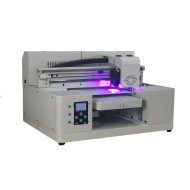
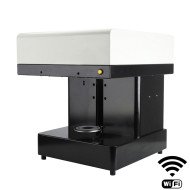
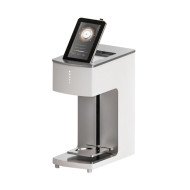
Hidden Operational Bottlenecks with Edible Food Printers
The Industrial Reality
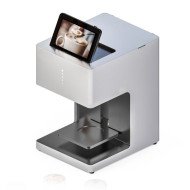
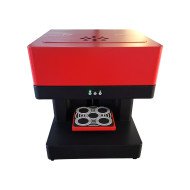
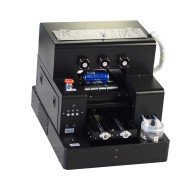
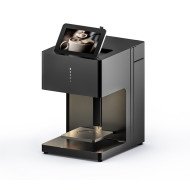
The rise of edible food printers - cake printers and pizza printers - illustrates the merging of culinary arts with advanced engineering. Imagine a bustling bakery or pizzeria attempting to integrate this revolutionary technology, only to face unforeseen operational challenges. From the outset, these devices promise precision in edible creations, yet their integration presents distinct hurdles. The balance between print speed, food safety compliance, and ingredient versatility is delicate. Businesses must navigate the complexities of thermal management within food-grade environments.
Technical Deep-Dive
Material Compatibility and Printhead Design
In edible printing, the choice of substrates and compatible inks is crucial. Printheads must accommodate varying viscosities and particle sizes, demanding advancements in nozzle engineering. Comparatively, traditional inkjet heads face unique wear and tear due to their interaction with food-grade materials. The optimal droplet size, often as small as 2 picoliters, ensures even distribution without compromising flavor.
Thermal Management Challenges
Maintaining consistent temperature within a printer is paramount for food safety. Unlike regular printers, edible printers must adhere to strict thermal limits: approximately 37°C for most ingredients. System designs must incorporate advanced cooling mechanisms to prevent spoilage during operation.
Infrastructure Integration
For businesses, integrating an edible printer into existing workflows means addressing power consumption and space allocation. The typical printer might range from 300-500 Watts, necessitating modifications to electrical systems. Rack density considerations are paramount for compact installations.
Lifecycle Maintenance Costs
Edible printers require frequent maintenance due to the corrosive nature of certain substrates. Understanding the depreciation rate, notably higher than standard industrial printers, guides financial planning. Daily upkeep involves nozzle cleaning and calibration, impacting overall operating expenses.
Data Analysis and Performance Metrics
Analyzing print throughput versus cost highlights hidden inefficiencies. A bakery could expect a throughput of 100 cakes/hour, but real-world performance dips due to downtime and maintenance.
| Printer Type | Print Throughput | Power Consumption | Droplet Size |
|---|---|---|---|
| Cake Printer | 80-100 cakes/hour | 350 Watts | 2-3 pl |
| Pizza Printer | 50-70 pizzas/hour | 500 Watts | 3-4 pl |
Scenario Analysis
Consider a high-end patisserie aiming to diversify its offerings. The introduction of an edible printer promises exquisite cake designs but requires precise ingredient control. Secondly, a pizzeria exploring custom toppings faces limitations in substrate compatibility, impacting taste and texture. Lastly, a commercial kitchen deploying printers for catering events sees increased throughput amid elevated maintenance demands.
Expert FAQ
What are the key considerations for edible printer maintenance? Regular cleaning of printheads, adherence to food safety standards, and monitoring ink quality.
How do thermal limits affect printer design? Printers must incorporate cooling systems to maintain ingredient integrity.
What is the impact of substrate choice on print quality? Printheads must accommodate diverse viscosities for optimal distribution.
How does power consumption influence workflow integration? Adequate electrical infrastructure is necessary to support operational demands.
Are there specific challenges with edible ink formulation? Yes, acidity and viscosity variations require custom chemical solutions.
Strategic Verdict
Edible food printers are reshaping culinary possibilities but demand strategic planning for successful integration. The intersection of engineering and gastronomy presents distinct challenges, including maintenance overheads and thermal controls. While promising, these devices necessitate rigorous infrastructure adjustments. Future advancements hinge on overcoming current bottlenecks in substrate versatility and printhead technology.