Hidden Operational Bottlenecks of Handheld Printers Unveiled
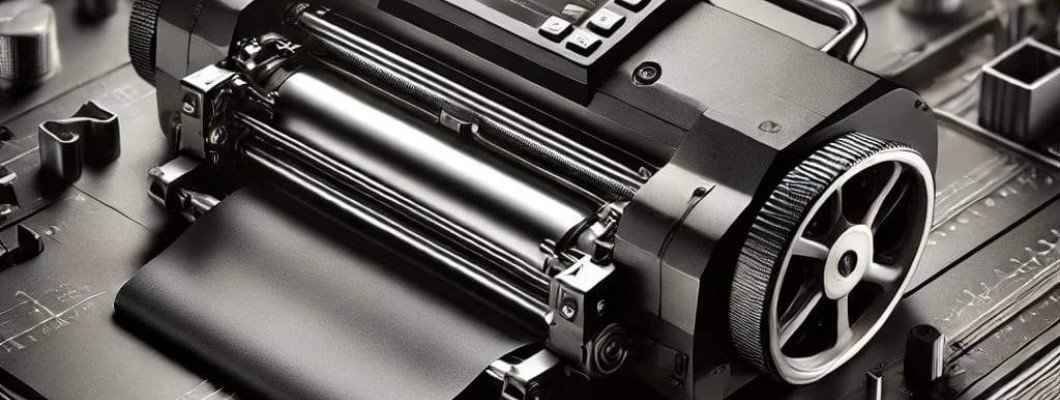
The Industrial Reality
Handheld printers, specifically on absorbent surfaces, pose unique challenges in industrial settings. The promise of portability and convenience is often shadowed by nuanced operational bottlenecks. Prints require precision, often failing when absorbent materials misalign with ink distribution technologies. Situations in manufacturing environments highlight stark inefficiencies without careful calibration.
Technical Deep-Dive
Ink Absorption Rate Variability
Absorbent surfaces require specific ink formulations. For instance, materials absorbing at 2 ml/s versus 1 ml/s affect drying times drastically, impacting workflow speed.
Printhead Design Limitations
Traditional printheads offering resolutions up to 600 dpi can falter on absorbent surfaces, requiring advancements to ensure uniform ink spread.
Hardware Comparisons: Handheld vs. Industrial
| Feature | Handheld | Industrial |
|---|---|---|
| DPI | 300-600 | 1200+ |
| Ink Volume (pl) | 2-4 | 6+ |
| Weight (kg) | 0.5 | 5+ |
Absorbent Material Physics
Different substrates such as textiles vary in pore structure, requiring distinct print parameters measured in microns for optimal results.
Maintenance Complexities
Regular cleaning of handheld devices is crucial for consistent output; failure in maintenance often results in decreased effectiveness and quality.
Scenario Analysis
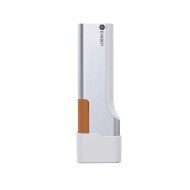
The versatility of handheld devices like PrintPods enables varied applications.
Textile Manufacturing
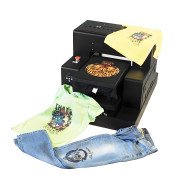
In textile environments, accuracy with handheld printers can streamline custom designs, but slower ink absorption can prolong production deadlines.
Construction Site Marking
On construction sites, marking absorbent surfaces can enhance project management but may require frequent device recalibration.
Retail Customization
In retail, custom print capabilities on merchandise enhance customer satisfaction but demand high precision, often necessitating extensive trial and error.
Expert FAQ
How does ink type impact handheld performance?
Ink viscosity directly affects flow, with lower viscosity advantageous for faster drying on porous surfaces.
What is the role of substrate compatibility?
Compatibility determines print stability; mismatches can lead to ink bleeding or smudging.
How frequent is printhead maintenance?
Daily cleaning is recommended to maintain quality, especially under heavy use scenarios.
Can external factors alter print accuracy?
Humidity and temperature shifts can affect ink drying times, requiring environmental control for precision.
What innovations are on the horizon?
Improvements in sensor technology may enhance error detection, optimizing output with minimal manual intervention.
Strategic Verdict
Handheld printers reveal operational bottlenecks that, while limiting, drive innovation. Addressing these issues can equip manufacturers with improved adaptability in precision output. The trajectory hinges on advancements in substrate compatibility and maintenance efficiency.