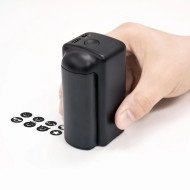
Hidden Operational Bottlenecks in Edible Food Printers
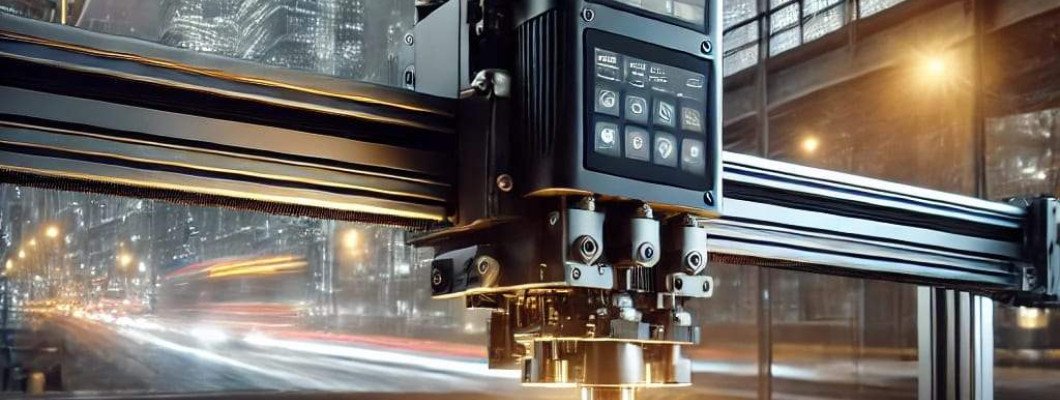
The Industrial Reality
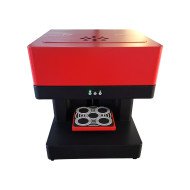
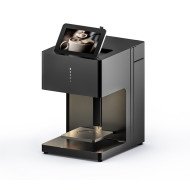
Edible food printers, such as the Cake Printer Pizza Printer, have emerged as disruptive technologies in culinary arts. These devices promise high precision and creativity in food styling, but hidden operational bottlenecks can impact their effectiveness. Imagine a busy restaurant leveraging this technology during peak hours only to face unexpected delays due to intricate maintenance needs or cycle inconsistencies.
Technical Deep-Dive
Precision and Calibration
Edible printers necessitate micron-level precision. Calibration methods often involve a trade-off between speed and accuracy. Ensuring correct layer deposition without deformities depends on maintaining consistent printhead alignment.
Material Viscosity and Flow Rates
The physical properties of edible inks, such as viscosity, play a critical role. In food printers, printhead nozzles must adapt to various viscosities, requiring advanced fluid dynamics knowledge.
Thermal Management Challenges
Heat generated during printing can alter food texture. Addressing thermal management involves complex thermal modeling to ensure materials maintain their intended taste and texture profiles.
Hardware Comparisons
Differential hardware specs lead to varied printing outcomes. Examining nozzle precision, printhead durability, and maintenance requirements sheds light on operational impacts.
Data Analysis
| Parameter | High-End Model | Basic Model |
|---|---|---|
| Precision (dpi) | 1440 | 720 |
| Printhead Longevity (hrs) | 1000 | 500 |
| Maintenance Cycle (days) | 7 | 14 |
The differences between models illustrate how operational costs can pivot based on initial hardware investment.
Scenario Analysis
Restaurant Efficiency
A restaurant aiming to integrate food printers must evaluate throughput capacity, particularly during high-demand periods.
Custom Bakery Solutions
Bakeries focusing on bespoke designs can harness high-end printer capabilities, favoring precision over speed.
Industrial Food Production
Large-scale food producers require robust models capable of extended operation without frequent maintenance.
Expert FAQ
Q: How does ink viscosity affect print quality?
A: Viscosity impacts droplet formation, influencing texture uniformity.Q: Can thermal fluctuations alter flavor profiles?
A: Yes, managing thermal impact is crucial for preserving taste.Q: What are the risks of nozzle clogging?
A: Clogging disrupts flow rates, potentially leading to design flaws.Q: How does printhead wear affect output?
A: Worn printheads lead to inaccuracies and necessitate frequent replacement.Q: Is high precision worth the increased cycle time?
A: Balancing precision and cycle time depends on specific application needs.Strategic Verdict
Edible food printers like the Cake Printer Pizza Printer are poised to redefine food presentation. However, understanding technical bottlenecks and operational nuances is essential for maximizing their utility in commercial environments.