Hidden Operational Bottlenecks in A3 Roll DTF Printer Systems
The Industrial Reality
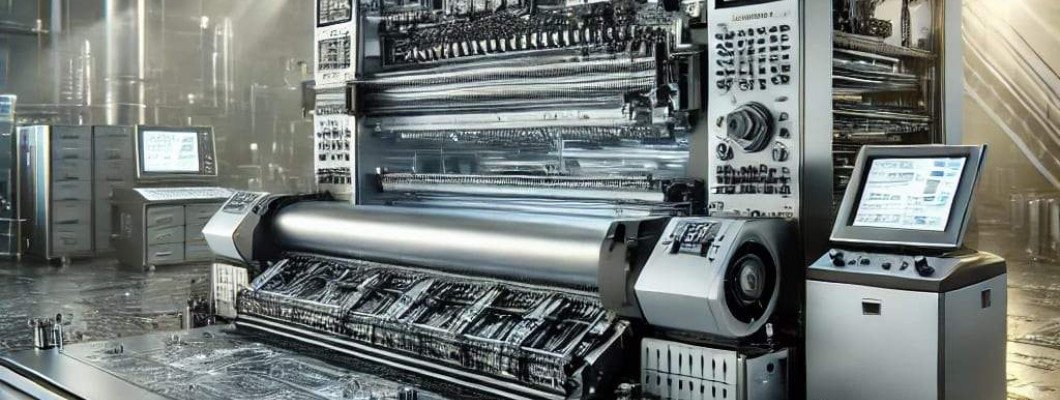
In the fast-paced world of apparel printing, the introduction of the A3 Roll DTF Printer T-shirt printing machine represents a significant technological leap. However, beneath its sleek design and promises of high throughput, lies a complex matrix of operational bottlenecks that can hamper efficiency and inflate costs for scalable business owners.
Technical Deep-Dive
Understanding Printhead Constraints
The printhead is a critical component in the DTF printer. Operating at resolutions of up to 1440 dpi, it demands precise control over micro-dot placement. This precision requires rigorous maintenance schedules and can lead to downtime if not adhered to, directly impacting productivity.
Substrate Compatibility Challenges
A3 Roll DTF printers boast compatibility with a wide range of substrates. Nevertheless, variations in substrate thickness and material composition (typically between 0.2 mm to 2 mm) can affect ink absorption rates and final product quality, necessitating constant calibration and process adjustments.
Thermal Management Under Stress
These systems integrate sophisticated thermal control mechanisms to maintain operational stability. The printer’s power consumption, averaging 250-500 Watts, needs optimal environmental management to prevent overheating and ensure consistent output.
Ink Chemistry and Cost Implications
DTF printers utilize specialized inks, which must adhere to stringent chemical properties to ensure durability and vibrancy. The cost per liter of ink and the frequency of replenishment can significantly impact operational expenditure.
Network Infrastructure Integration
Integrating the printer into existing network frameworks poses challenges. Real-time data transfer capabilities, requiring low-latency connections, can strain IT resources and demands careful routing to prevent network congestion.
| Operational Aspect | Requirement |
|---|---|
| Printhead Maintenance | Weekly inspection and cleaning |
| Substrate Calibration | Dynamic adjustments per batch |
| Thermal Stability | Dedicated cooling infrastructure |
Scenario Analysis
Consider a small-scale print shop transitioning to the A3 Roll DTF Printer system. Initially, the increased throughput may seem advantageous. However, the hidden operational bottlenecks, such as complex substrate calibration and thermal management, require significant investment in training and infrastructure.
Alternatively, a large enterprise with an established thermal management system and a dedicated IT department can mitigate these bottlenecks effectively, achieving full potential of the printer’s capabilities.
For a tech-savvy startup, the printer offers potential scalability but demands a strategic view on maintenance cycles and ink cost management to ensure sustainability.
Expert FAQ
Q1: What is the optimal maintenance schedule for printheads?
A1: Weekly inspections are recommended to ensure peak performance.
Q2: How does substrate thickness impact printing?
A2: Thickness variations can lead to inconsistent ink absorption, affecting quality.
Q3: What measures ensure effective thermal management?
A3: Implementing dedicated cooling systems and regular environmental monitoring are key.
Q4: How do ink chemistry modifications affect printer operations?
A4: They require recalibration and may alter cost structures due to material compatibility.
Q5: Can network integration challenges hinder productivity?
A5: Yes, poor network planning can lead to data transfer delays, impacting throughput.
Strategic Verdict
The A3 Roll DTF Printer offers promising advantages, yet unlocking its full potential necessitates addressing inherent operational bottlenecks with strategic foresight. As technology evolves, continuous improvements in component design and infrastructure integration will shape its future trajectory.