Hidden Operational Bottlenecks: An Objective Look at Single Side Laminating Machines
The Industrial Reality
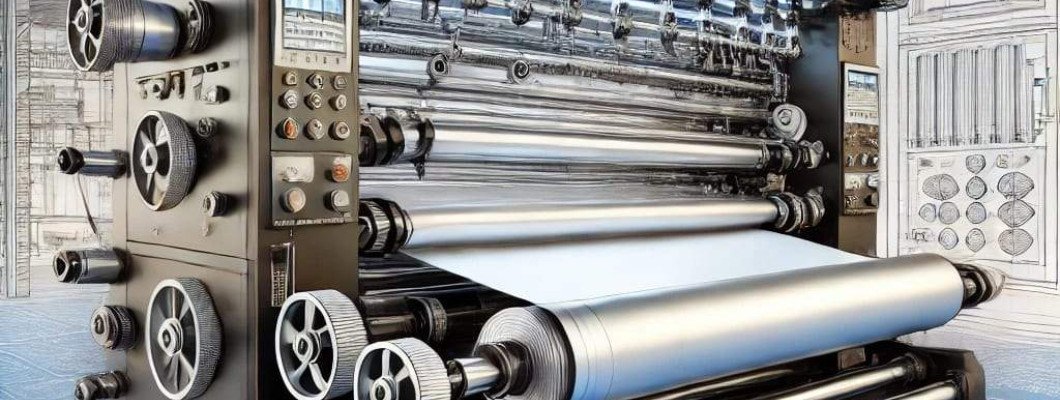
The modern industrial landscape relies heavily on efficiency and precision. Single side laminating machines are crucial in packaging, print finishing, and graphic arts. Their ability to apply a protective layer to printed materials plays a pivotal role in enhancing durability and visual appeal. However, as these machines strive to meet high production demands, they often encounter hidden operational bottlenecks. These can range from overheating issues due to continuous operation to discrepancies in film tensioning that affect the quality of lamination.
Technical Deep-Dive
Thermal Management Challenges
Continual operation of laminators can result in significant heat build-up. This not only impacts the machine’s longevity but also affects the lamination quality. Thermal management, including cooling systems and heat sinks, needs to be optimized for efficiency.
Film Tensioning Mechanics
Correct film tension is critical for achieving wrinkle-free laminations. Advanced tension-control systems must be employed to maintain consistent pressure, especially in high-speed operations.
Material Compatibility
Different substrates require tailored laminating conditions. The machine's ability to adapt to varied thicknesses and materials without compromising speed is vital. The integration of adaptive roller pressure systems can address this need.
Maintenance Protocols
Regular maintenance is essential to prevent breakdowns and ensure high uptime. This includes routine checks of rollers, heating elements, and tension controls to prevent cumulative degradation.
Energy Utilization
Efficiency in energy consumption is crucial for operational cost management. Utilizing advanced sensors and smart energy systems can optimize power use, reducing both environmental impact and operational costs.
| Technical Path | Specs |
|---|---|
| Standard Laminators | Film width: 600 mm, Speed: 2 m/min, Energy use: 800 Watts |
| Advanced Laminators | Film width: 800 mm, Speed: 3 m/min, Energy use: 600 Watts |
Scenario Analysis
Consider a print shop aiming for high throughput without sacrificing quality. The first scenario involves optimizing current processes by integrating advanced film tension controls to enhance output. Another case looks at a packaging firm which needs reliability in harsh environments, requiring robust thermal management systems. Finally, a graphics company focusing on substrate versatility would benefit from adaptive pressure systems to ensure compatibility across diverse materials.
Expert FAQ
What is the impact of overheating on lamination quality?
Overheating can lead to uneven lamination and potential damage to substrates.
How does film tension affect lamination?
Improper tension can result in wrinkles or bubbles, compromising the finish.
Why is substrate compatibility essential?
Diverse materials necessitate tailored laminating conditions for optimal results.
What is the role of energy efficiency in laminators?
Energy-efficient machines lower operational costs and reduce environmental impact.
How often should maintenance checks be performed?
Routine checks should be conducted weekly to prevent long-term damages.
Strategic Verdict
The roll laminator single side laminating machine is a complex yet essential component of modern industrial processes. Addressing hidden operational bottlenecks through technological upgrades and regular maintenance can significantly enhance productivity and output quality. As we move towards 2027, advancements in automation and smart systems will further refine these machines, increasing their efficiency and adaptability in diverse applications.