Glossy vs Matte Finishes: Controlling Varnish Output on Your phone case printer

Understanding the Core Differences Between Glossy and Matte Finishes in Phone Case Printing
The Optical and Tactile Characteristics
When producing customized phone cases, the choice between glossy and matte varnish finishes suddenly alters not only aesthetics but customer perception and product longevity. A glossy finish provides a mirror-like surface that reflects light sharply, delivering vivid colors and a premium look. This, however, makes fingerprints and smudges more conspicuous. Conversely, a matte finish softens reflections, offering a muted sheen that helps hide imperfections and fingerprints, but colors may appear less vibrant.
Material Compatibility Impact
Different phone case substrates—ranging from polycarbonate, TPU, silicone, to wood—respond uniquely under varnish coatings. Glossy varnish tends to adhere better to non-porous, smooth surfaces like hard plastics, accentuating their slippery feel. Matte varnish, due to its micro-textured surface, bonds well with slightly porous materials but risks uneven finish on ultra-smooth materials. Understanding these physical adhesion properties is essential when adjusting your varnish output settings on your phone case printer.
Longevity and Durability Considerations
UV-cured varnish layers protect the print from abrasion, UV light, and chemical exposure. Glossy finishes generally provide a thicker protective layer due to their formulation, which can boost durability but also adds gloss film thickness that can cause unwanted gloss halo effects near edges. Matte varnish, being thinner and lighter, sacrifices some abrasion resistance but improves resistance to yellowing and helps maintain color accuracy over time.
Optimizing Varnish Output: Technical Approach to Printer Configuration
Setting Varnish Ink Density and Layer Thickness
The varnish output on phone case printers like GNFEI’s industrial UV models hinges on precise control over ink density and thickness. Adjust the varnish channel density in RIP software by increments of 5-10% to find the balance between gloss intensity and print durability. Over-application leads to issues such as dripping, tackiness, or excessive curing times, while under-application risks insufficient protective coating.
Multi-Pass vs Single-Pass Varnishing Methods
A multi-pass varnishing approach, though doubling print time, significantly improves finish uniformity and minimizes issues like orange peel effect common in thick gloss layers. Single-pass varnishing is faster but requires finely tuned inkjet calibration and optimal drying parameters, often found in GNFEI’s latest UV printheads that employ staggered nozzle arrays for varnish channels.
UV Curing Parameters and Their Effect on Gloss/Matte Results
Varnish cure intensity and wavelength influence the final finish sheen. Higher UV doses increase cross-linking density of varnish molecules, enhancing glossiness and hardness but risk heat distortion of phone case materials. Lower doses for matte varnish preserve surface texture but may under-cure, resulting in sticky or tacky coatings. Properly balancing UV LED power, exposure time, and conveyor speed is a must.
Step-by-Step Troubleshooting for Varnish Issues on Your Phone Case Printer
Problem: Uneven Gloss or Matte Finish
- Step 1: Inspect printhead cleanliness, especially varnish-specific channels, using GNFEI’s recommended cleaning protocol with isopropyl alcohol and lint-free wipes.
- Step 2: Verify RIP varnish layer settings and density profiles, recalibrating with colorimeter devices adapted for gloss measurement.
- Step 3: Confirm substrate surface preparation—lightly wipe with ethanol to eliminate dust or oil residues affecting varnish adhesion.
Problem: Varnish Film Peeling or Cracking
- Step 1: Check UV curing parameters—reduce exposure intensity incrementally to avoid substrate warping.
- Step 2: Evaluate varnish formulary compatibility; consider alternate varnish chemistry recommended by GNFEI for flexible TPU materials.
- Step 3: Conduct adhesion tape tests weekly to identify delamination trends and react promptly.
Problem: White Ink or Varnish Settling and Clogging
- Step 1: Implement a robust printhead maintenance schedule, flushing varnish lines with manufacturer-recommended solvents every 48 hours for high-volume shops.
- Step 2: Monitor sediment formation in ink reservoirs; avoid shaking to limit microbubbles that compromise spray patterns.
- Step 3: Use consistent temperature control (20-25°C) in the print environment to prevent varnish viscosity changes.
ROI Analysis and Cost Breakdown for Glossy vs Matte Varnish in Phone Case Production
Ink and Varnish Consumption Rates
Glossy varnishes generally consume 15-20% more ink volume per print due to thicker coatings required for full gloss effects. A GNFEI 5-liter varnish cartridge costs approximately $600 with an expected coverage of 3000 phone cases at 20% density. Matte varnish coverage extends to nearly 3500 units per cartridge at 15% density due to thinner layers.
Printhead Wear and Maintenance Costs
Inkjet printheads printing varnish channels face accelerated wear with glossy varnishes because of higher curing energy needed and increased viscosity that promotes clogging. Expect printhead replacement cycles to shorten by 10-15% and cleaning intervals to increase by 20% versus matte jobs. Factoring a $1,200 printhead replacement every 6 months is standard in a mid-volume GNFEI operation.
Labor and Workflow Efficiency
Multi-pass varnishing for gloss finishes increases operator time by an average of 25% per job due to slower print speeds and increased cleaning frequency. Matte finishing workflows are typically faster by about 15% with easier post-cure handling. Detailed time-tracking for these processes demonstrates that choosing the varnish finish directly affects throughput and labor cost per unit.
Comparative Adhesion and Durability Testing on Various Phone Case Materials
Plastic Substrates: Polycarbonate vs TPU
Polycarbonate cases respond well to both varnish types but show superior gloss retention with GNFEI’s UV gloss varnish formula, as measured by gloss-meter values exceeding 95 GU (gloss units). TPU cases require flexible varnish with matte finishes to maintain bendability, where gloss varnish can crack under stress. Adhesion tests with cross-hatch tape confirm that matte varnish adhesion rate is 98%, while gloss varnish dips below 90% on TPU.
Wooden Phone Cases
Wood phone cases with porous wood grain present challenges for varnish consistency. Gloss bans pooling when varnish is too thick, while matte finishes leverage penetration to stabilize surface finish. Drying times differ dramatically: gloss requires 90 seconds UV curing, but matte only 70 seconds, affecting overall production speed and energy consumption.
Metal and Glass Backed Cases
Metal cases demand pre-treatment such as plasma or corona to enhance varnish adhesion. Gloss finishes on metal backers provide a reflective premium look but are prone to tiny scratch marks if not properly cured. Glass backs cause varnish films to be extremely brittle if cured too hard; matte finishes provide better shock absorption. Elastic modulus testing reveals matte varnish’s resilience under impact is 12% higher than gloss on glass substrates.
Emerging Trends and Technical Innovations in Varnish Finishing for Phone Case Printing
Adaptive Varnish Application via Sensor Feedback
GNFEI is pioneering varnish printheads integrated with inline gloss meters that dynamically adjust varnish output per print pass to optimize finish uniformity in real-time. This sensor feedback loop minimizes human error, improves material yield, and reduces waste, especially when printing variable designs requiring spot gloss or matte contrast.
Hybrid Gloss-Matte Finish Techniques
Advanced workflows now combine matte base layers with selective gloss varnish overlays to create tactile contrast and premium aesthetics. This layered approach demands ultra-precise registration and varnish curing controls in GNFEI industrial UV printers, pushing printhead synchronization beyond 300 dpi resolution for varnish channels.
Sustainable and Bio-Based Varnishes
Beyond aesthetics, industry movement toward eco-friendly varnishes is accelerating. Bio-based varnish chemistries compatible with GNFEI printers reduce VOC emissions and enhance biodegradability without compromising adhesion or finish durability. Early adopters report incremental savings on regulatory compliance costs and waste disposal.
Practical Guidelines for B2B Buyers Leveraging GNFEI Industrial Phone Case Printers
Choosing the Right Printer Model for Your Finish Goals
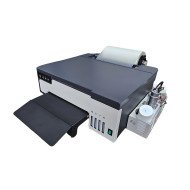
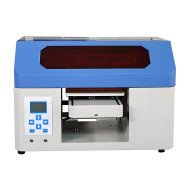
GNFEI offers several phone case printer models with modular varnish channels. For businesses prioritizing glossy finishes, the 320UV model offers multi-pass varnish heads and advanced curing options, while the 210DTF excel in fast matte-only finish runs. Assess your expected print volume, case material variety, and desired turnaround time before selecting a model.
Establishing a Robust Maintenance and Calibration Routine
Maximize varnish finish quality by adhering to a preventive maintenance timetable. In-house technicians should clean varnish circuits daily in high-volume settings and perform bi-weekly printhead alignment checks using GNFEI calibration software. Systematic logging of varnish lot numbers, curing parameters, and substrate batch numbers aids in root cause analysis of defects.
Training Your Team for Finish Quality Control
Empower operators with detailed SOPs concerning varnish settings for different substrates and finishing goals. Hands-on gloss and adhesion testing training should be part of onboarding. GNFEI’s customer support provides periodic workshops focusing on varnish troubleshooting and workflow optimization, helping printers maintain competitive edge by mastering finish control complexities.