
Global supply-chain diversification prompting manufacturers to adopt UV printer for localized production hubs
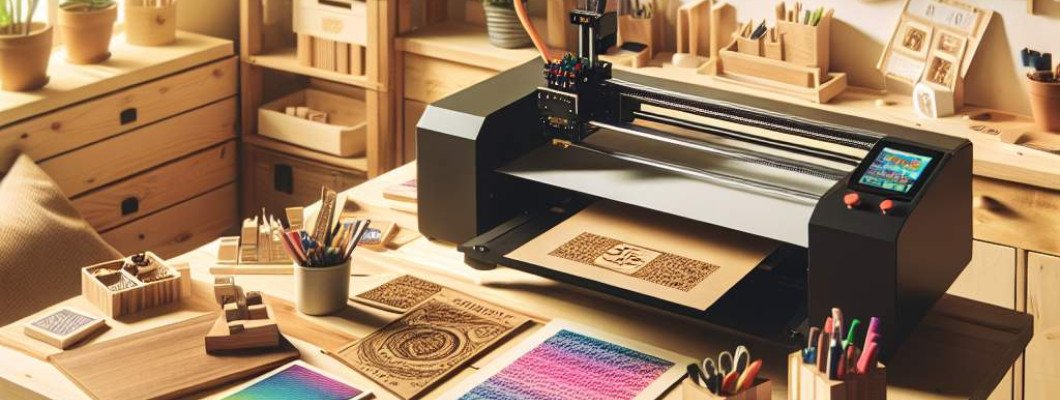
Are You Facing Challenges with Global Supply Chain Disruptions?
Many manufacturers are feeling the pinch of ongoing supply chain disruptions. Things like delayed shipments, rising costs, and unpredictable demand are making it tough to keep operations smooth. If you're finding it hard to meet deadlines or maintain quality with offshore production, you're not alone. The good news? More businesses are turning to UV printers to build localized hubs, giving them more control and flexibility.
Why Is Supply-Chain Diversification Becoming a Must?
Global supply chains have always been complex, but recent years have shown how fragile they can be. Events like pandemics, geopolitical tensions, and natural disasters have exposed vulnerabilities. As a result, manufacturers are adopting diversification strategies—spreading risk by creating multiple production nodes closer to their markets.
This shift allows companies to reduce dependency on distant suppliers, cut shipping costs, and adapt faster to market changes. It"s no longer enough to rely on one manufacturing location — having localized production hubs keeps things running smoothly even when global logistics hit a snag.
How UV Printers Are Driving This Change
What Exactly Is a UV Printer?
In simple terms, a UV printer uses ultraviolet light to instantly cure ink onto various surfaces. This technology allows for high-quality, fast-drying prints on a wide range of materials like plastics, glass, wood, and metal — making it ideal for localized manufacturing hubs.
Why Are Manufacturers Choosing UV Printing?
- Flexibility in Production: UV printers can quickly switch between designs, sizes, and materials, enabling shorter setup times for custom jobs.
- Cost-Effective: With UV printing, there's less need for expensive molds or multiple setup processes, lowering overheads.
- High-Quality Finish: Produces sharp, durable images that meet demanding branding or product standards.
- Small Batch Capability: Ideal for local markets where demand may vary, reducing waste and inventory costs.
Imagine chatting with a friend about expanding a small, local gift shop. You can see how UV printers would help quickly produce customized merchandise without importing goods from far away. That"s the power of this technology in local manufacturing.
Building Your Localized Production Hubs with UV Printing
The Process of Setting Up
Transitioning to localized manufacturing is easier than you might think. Here"s a quick breakdown:
- Evaluate your product demand in target regions.
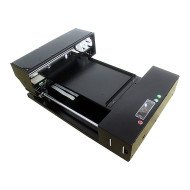
- Invest in a reliable UV printer like this spot UV printing machine.
- Set up a compact, adaptable production space.
- Train your team on UV printing technology and surface prep.
- Start producing localized products to reduce lead times and shipping costs.
Take the story of one apparel brand I know. They moved part of their label printing in-house using UV technology. Now, they customize designs on demand for their local retailers—saving months of shipping and avoiding stockpile issues.
Benefits of Localized Production with UV Printing
Faster Turnaround & Greater Flexibility
With UV printers, you can produce everything on-demand, which means less inventory risk and quicker response to customer needs. Whether it"s custom packaging, product labels, or promotional items, the turnaround time drops significantly.
Quality Control & Brand Consistency
Manufacturing locally allows you to monitor quality at every step. UV printing ensures crisp, vibrant outputs that uphold your brand standards. Plus, the technology's durability reduces post-printing defects.
Cost Savings & Reduced Supply Chain Risks
By avoiding long-distance shipping and minimizing import/export tariffs, your costs go down. You also become less vulnerable to global disruptions—making your business more resilient overall.
Practical Tips for Transitioning to UV-Powered Local Production
- Assess your product range to understand what benefits most from UV printing.
- Start small with one or two machines before scaling.
- Train staff thoroughly to maximize equipment uptime and quality.
- Partner with trusted suppliers of UV printers and inks to ensure consistent results.
- Test and iterate your workflow to streamline production and cut costs.
For those wondering how to get started, exploring options like the spot UV coating printer can be a game-changer. It offers high-quality finishes that can elevate your products' visual appeal and durability.
Addressing Common Questions
1. Will switching to UV printing require a large initial investment?
Not necessarily. There are compact, affordable UV printers designed for small to medium-sized businesses. Plus, the savings on supply chain costs and faster turnaround times can offset the initial expenditure pretty quickly.
2. Can UV printers handle different materials?
Absolutely. Modern UV printers are versatile, working on plastics, glass, wood, metal, and even fabrics, depending on your needs.
3. How fast can I produce products with UV printing?
In most cases, UV printers deliver instant or very quick drying, enabling high throughput — sometimes dozens of items per hour, depending on complexity.
4. Is UV printing environmentally friendly?
Generally, yes. UV inks are often low in VOCs (volatile organic compounds), and the process produces less waste compared to traditional methods.
5. What kind of ongoing maintenance is required?
Regular cleaning and calibration are key. Most manufacturers provide comprehensive support and training to keep equipment running at peak performance.
Final Thoughts
With the increasing need to adapt to a more resilient and flexible supply chain, adopting UV printing technology for local manufacturing is a smart move. It helps you control quality, speed up delivery, and reduce costs — plus, it keeps your business agile in changing times. If you're considering setting up a localized hub, exploring UV printers like this spot UV coating printer could be your first step.
```













Leave a Comment