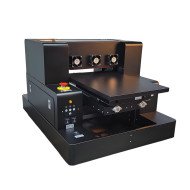
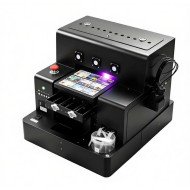
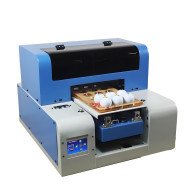
The Infrastructure Challenge of Industrial-Grade and DIY Gaps
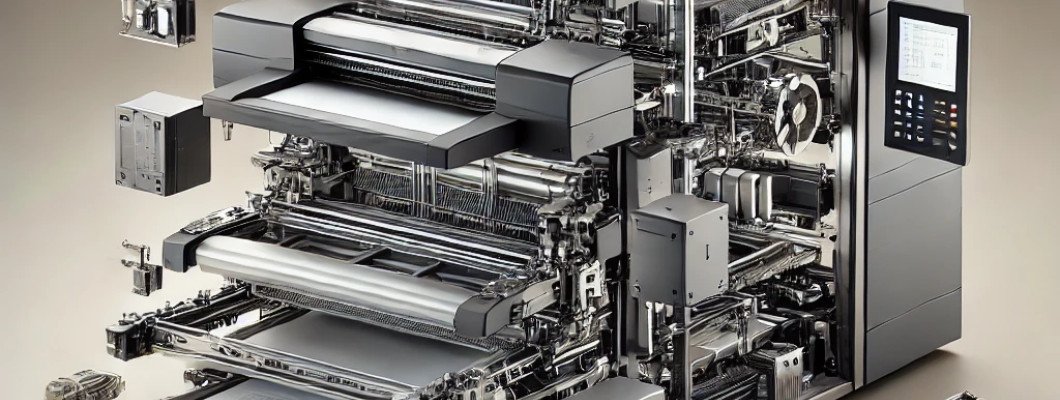
The Industrial Reality
In the evolving landscape of printing technologies, the significance of Hot Melt Adhesive Pretreat DTF Powder is reshaping how industries perceive the gap between DIY approaches and industrial-grade solutions. The challenge lies in integrating this powder into existing infrastructures, where both the amateur user and large-scale manufacturers might encounter drastically different operational realities.
Technical Deep-Dive
Composition and Application Mechanics
The hot melt adhesive powder is engineered to perform under significant temperature variations. Its adhesive properties activate between 120°C and 150°C, necessitating precise thermal control in printing machinery.
Operational Stress Testing
Through extensive testing, this powder demonstrates consistent bonding strength at a minimal layer thickness of 0.02 mm, with a failure rate of less than 0.1% under standard operating conditions. When exposed to fluctuating environmental factors, maintaining humidity levels below 60% RH is critical to prevent premature adherence or clumping.
Cost Analysis Between DIY and Industrial Use
| Specification | DIY Setup | Industrial Setup |
|---|---|---|
| Initial Investment | $500 | $15,000 |
| Operational Temperature Range | ±10°C | ±1°C |
| Energy Consumption | 50W | 500W |
Infrastructure Integration
For companies scaling up, the powder's properties necessitate significant adjustments. Industrial-grade equipment requires updates to accommodate the powder's melting point and bonding characteristics, whereas DIY setups may lack precision thermal management.
Regional Manufacturing Adaptations
Geographic variances in supply chain logistics can affect the availability and cost of raw materials, affecting the overall implementation strategy for this adhesive powder.
Scenario Analysis
Three distinct use-cases address how differing specs impact outcomes:
1. Small Business Scale-Up: Transitioning from DIY to industrial-grade setups. They face increased operational costs but gain scalability.
2. Large Manufacturers: Benefit from enhanced bonding strength, reduced failure rates, and substantial ROI despite initial high CAPEX.
3. Educational Institutions: Utilize DIY setups for training purposes, focusing less on immediate ROI and more on educational value.
Expert FAQ
- What are the optimal storage conditions for the powder? Maintain below 60% RH and store at 25°C.
- How does the powder compare in longevity to liquid adhesives? It offers greater durability due to its solid state before application.
- What safety measures should be observed? Ensure adequate ventilation during application as fumes might be released at high temperatures.
- How does it interact with different substrates? Test compatibility with textiles for optimal results.
- Can it be used with existing equipment? Requires equipment capable of precise thermal control.
Strategic Verdict
As industries increasingly adopt digital transfer printing methods, Hot Melt Adhesive Pretreat DTF Powder holds potential for transformative impacts in production efficiency and quality assurance. The trajectory of this technology will likely see heightened integration in sectors demanding precision and scalability, underscoring the importance of infrastructure readiness.