The Gap Between DIY and Industrial-Grade Analysis on Handheld Printing

The Gap Between DIY and Industrial-Grade Analysis on Handheld Printing
The evolution of handheld printing technology, exemplified by PrintPods, sparks a rigorous examination of operational efficiencies and shortcomings. In industrial settings, precision, speed, and substrate adaptability differentiate consumer-grade solutions from those meeting enterprise-level demands.
Exploring PrintPods and Operational Bottlenecks
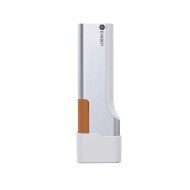
PrintPods operate as portable units, allowing versatility across absorbent surfaces. Yet, a detailed review of component stress under operational conditions reveals challenges. Energy management, printhead durability, and ink compatibility are pivotal in performance evaluation.
Technical Deep-Dive into PrintPods
Optical Resolution vs. Precision
Print resolution in handheld devices like PrintPods reaches up to 1200 dpi, sufficient for some application areas. However, the transition to industrial-grade involves scrutiny into the exactitude of output, particularly for micron-level precision.
Ink Chemistry and Substrate Absorption
PrintPods utilize a comprehensive ink system engineered for high absorption surfaces. The chemistry dictates drying times, print consistency, and environmental resistance.
Component Lifecycle and Maintenance
Maintenance cycles typically span 6 months, impacting the ROI and asset longevity. Printhead and cartridge replacements contribute to lifecycle costs and asset depreciation.
Energy Efficiency in Portable Printing
Power management is critical. PrintPods achieve efficiency through reduced consumption, but the gap between handheld and fixed industrial printers remains.
Material Compatibility Challenges
Substrate versatility is both an advantage and a challenge. The adaptability to absorbent materials requires precise calibration and environmental adjustment.
| Feature | DIY Handheld | Industrial-Grade |
|---|---|---|
| Resolution | 1200 dpi | 2400 dpi |
| Maintenance Cycle | 6 months | 12 months |
| Ink Drying Time | Fast | Instant |
| Energy Consumption | Low | Optimized |
Scenario Analysis: Business Use-Cases
First, small-scale artisans can leverage PrintPods for cost-effective high-resolution prints without industrial overhead. Second, maintenance teams benefit from portable solutions for on-site labeling and marking. Third, educational settings utilize PrintPods for hands-on learning, bridging technological gaps.
Expert FAQ
How does PrintPods manage thermal regulation? PrintPods incorporate advanced thermal sensors ensuring consistent operation without overheating.
Can PrintPods handle non-absorbent surfaces? Modifications and adapters allow partial compatibility, though performance drops compared to absorbent applications.
What are the common failure points? Printhead and ink replenishment cycles dominate failure modes due to frequent usage.
Does substrate versatility require additional calibration? Yes, calibration ensures optimal ink spread and absorption, affecting visual outcomes.
How do PrintPods compare in energy efficiency? With minimal consumption, PrintPods exemplify low-impact energy use, contrasting higher demands from stationary units.
Strategic Verdict: Trajectory of Portable Printing Technology
PrintPods mark a significant stride toward democratizing printing technologies, offering insights into the broader alignment of consumer and industrial-grade applications. Their evolution prompts prospects for enhanced compatibility, efficiency, and durability.