
From interior décor to industrial parts, flatbed printer technology opens new possibilities for short-run manufacturing.
Are you puzzled about how to expand your manufacturing capabilities with innovative, cost-effective solutions? Do you struggle to find flexible methods for producing short runs of high-quality products? If so, flatbed printer technology is transforming the way businesses approach manufacturing, offering unprecedented possibilities from interior décor to industrial parts. This technology isn't just for big factories—small-scale producers and artisans are now leveraging it to create custom, durable items with ease.
Imagine a small furniture maker who used to produce limited batches of decorative panels. Now, with a flatbed printer, they can print intricate designs directly onto wood, glass, or metal, cutting down lead times significantly. Or consider an industrial supplier needing small runs of personalized machine components—flatbed printers make this feasible without the need for expensive molds or tools. As the technology advances, its versatility extends across various industries, making it a game-changer for short-run manufacturing processes.
What is Flatbed Printer Technology?
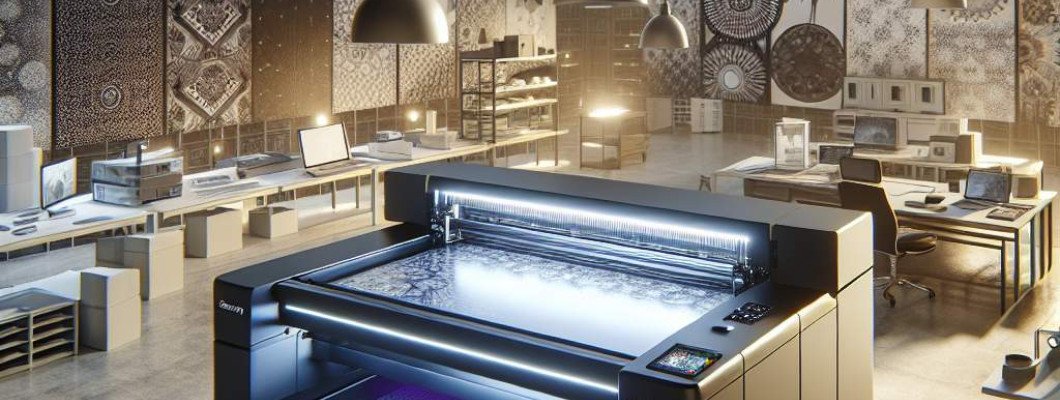
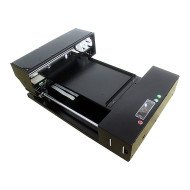
A flatbed printer is a digital printing device designed to print directly onto a variety of rigid surfaces—like wood, acrylic, metal, glass, and even ceramics. Unlike traditional printers that require transfer papers or special substrates, flatbed printers use UV-curable inks that adhere firmly to surfaces, producing vibrant, durable images and text.
This technology employs sophisticated printing heads that deposit ink precisely onto the material. The surface remains stationary while the print head moves across it, allowing for high-resolution prints with fine details. The process is quick, clean, and highly adaptable—perfect for short-run manufacturing where customization and speed are crucial.
How Flatbed Printing is Revolutionizing Short-Run Manufacturing
Flatbed printers break down traditional barriers of mass production by offering a flexible, efficient approach to small batch fabrication. Here are some ways this technology is expanding manufacturing horizons:
- Personalization and Customization: Businesses can produce tailored products, from branded promotional items to personalized home décor, without additional setup costs.
- Rapid Prototyping: Prototype development becomes faster, enabling quick iteration and testing before mass production.
- Reduced Manufacturing Costs: Eliminating molds, screens, and other tooling significantly cuts expenses for short runs.
- High-Quality Output: Industrial-grade UV inks provide vibrant, permanent finishes suitable for outdoor and indoor use.
- Environmental Benefits: UV-printed items often involve less waste and lower energy consumption compared to traditional manufacturing methods.
Applications Range from Interior Décor to Industrial Components
The versatility of flatbed printers enables wide-ranging applications, including:
- Interior Décor: Producing custom wallpaper, wall panels, glass splashbacks, and furniture finishes that add a unique touch to any space.
- Signage and Branding: Creating vibrant, durable signs, displays, and promotional items for businesses.
- Industrial Parts: Printing directly onto machinery components, prototypes, or custom tools, reducing lead times.
- Art and Creative Projects: Artists can realize intricate designs on various surfaces, offering new avenues for creativity.
- Packaging and Labels: Producing short-run labels, product packaging, and proofing with high precision.
Benefits of Using Flatbed Printing for Small Batch Production
Deploying flatbed printers in short-run manufacturing offers tangible benefits:
- Flexibility: Switch between different materials and designs quickly, with minimal setup time.
- Cost-Effectiveness: Avoid large-order investments and stockpile excess inventory.
- Speed: From design to finished product—reduce production time substantially.
- High-resolution Results: Achieve detailed, crisp images compatible with premium branding requirements.
- Sustainability: Use eco-friendly inks and reduce waste-related costs.
How to Get Started with Flatbed Printing
If you're considering adding flatbed printing to your operations, here"s a quick guide:
- Identify your target applications: What products or surfaces will you print on?
- Select the right printer model: Based on size, resolution, and material compatibility.
- Invest in training: Ensure staff are familiar with operation, maintenance, and troubleshooting.
- Develop your design library: Create or source high-quality digital assets for printing.
- Start small: Test with limited runs to understand material behavior and optimize settings.
Pro tip: Consider starting with a versatile model like the UV flatbed printer that can handle multiple materials and sizes, enabling you to explore diverse applications without a heavy upfront investment.
Future Trends in Flatbed Printing and Short-Run Manufacturing
As technology evolves, expect to see:
- Increased automation: Streamlining production and reducing manual tasks.
- Enhanced material compatibility: Printing on emerging surfaces like textiles or flexible plastics.
- Higher speeds and resolution: Meeting the demands for faster turnaround and ultra-fine detail.
- Eco-friendliness: Development of more sustainable inks and energy-efficient printers.
Businesses that adopt flatbed printing now will be positioned to innovate rapidly, produce bespoke products efficiently, and stay ahead in a competitive market—making this technology essential for the future of short-run manufacturing.
FAQs
1. How durable are UV-printed surfaces?
UV-curable inks produce highly durable finishes that resist scratches, UV fading, and environmental wear, making them suitable for both indoor and outdoor applications.
2. What materials can be printed on using a flatbed printer?
Most models handle materials like wood, glass, metal, plastic, acrylic, foam boards, ceramics, and more—assuming they have suitable surface dimensions.
3. Is flatbed printing suitable for large production runs?
While excellent for short runs, flatbed printing can be scaled for larger production, though traditional methods may be more cost-effective for very high volumes.
4. What is the typical learning curve for operating a flatbed printer?
Many users report that initial training takes a few days to master basic functions, with more advanced techniques developing over weeks of experience.
5. Can flatbed printers print full-color images?
Yes, with multiple ink channels and high-resolution heads, they can produce vibrant, full-color prints with excellent detail.
```














Leave a Comment