
From Flat Surfaces to Irregular Objects: What a UV Printer Can Really Handle
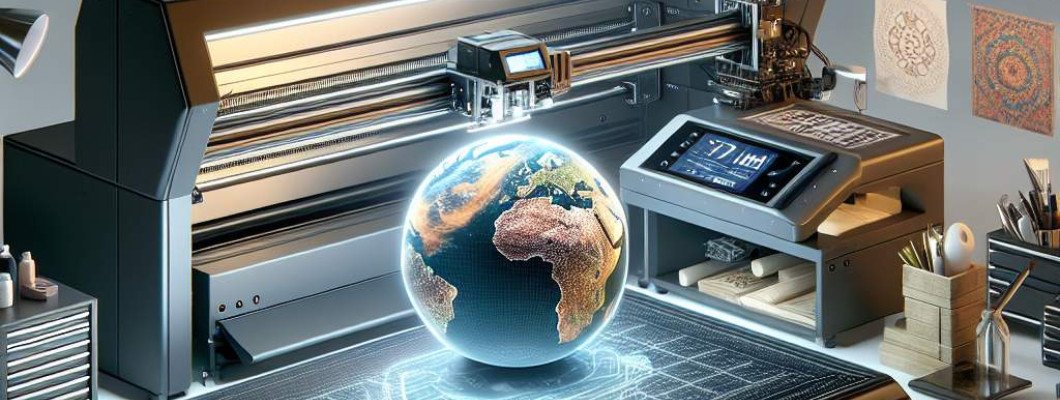
Struggling to map out what a UV printer can really handle? You"re not alone. When people think of UV printing, they often imagine printing only on flat, smooth surfaces. But the truth is, modern UV printers can do so much more. Are you curious whether your unique project"s shape is compatible? Let"s dive into what a UV printer can manage — from flat surfaces to irregular objects — and how you can make the most of this versatile tool.
Understanding UV Printing: More Than Just Flat Surfaces
The Basics of UV Printing
UV printing uses ultraviolet light to instantly dry or cure ink on a variety of surfaces. This process creates vibrant, durable prints that are resistant to scratches and weather. What makes UV technology stand out is its ability to print directly onto nearly any material, including glass, plastic, metal, wood, and even items with irregular shapes.
What About Flat Surfaces? Easy.
Initially, UV printers were mainly used for flat surfaces — signs, labels, promotional items, and packaging. The process is straightforward: position the surface under the print head, and ink is applied with precision. Flat printing is fast, detailed, and perfect for mass production. But that"s just the surface (pun intended).
Handling Irregular and 3D Objects: The Game Changer
Why More Shapes Are Possible Than Ever
The big shift? Advances in UV printing technology, along with adaptable hardware like multi-axis print heads and flexible curing options, now allow printing on complex, uneven, and 3D surfaces. This means that objects with curves, textures, or intricate shapes are no longer off-limits. I"ve actually seen a custom jewelry manufacturer print directly onto gemstone shapes — the results? Stunning and highly detailed.
How Do UV Printers Manage Irregular Shapes?
- Flexible hardware configurations: Many UV printers now incorporate movable, multi-axis platforms that tilt, rotate, or adapt to the object's shape.
- Adjustable print heads: Some printers can change height automatically to maintain optimum distance on uneven surfaces.
- Software with 3D mapping capabilities: Advanced printing software can create a 3D map of the object to ensure accurate ink placement.
Real-World Example
I was chatting with a friend who owns a promotional item business. They used to limit themselves to flat coasters and business cards. Recently, they invested in a UV printer capable of handling irregular shapes. Now, they customize printed mugs, irregular keychains, and wine bottles. The variety of products increased, and so did their sales — all thanks to the printer's versatility.
Practical Tips to Maximize UV Printing on Irregular Objects
Know Your Material
Not every object is a good candidate. Materials should be compatible with UV ink and able to withstand curing. Test small batches first and consider surface texture — the rougher or more textured, the more challenging.
Prepare Your Object Carefully
- Clean the surface thoroughly — dust, oil, or grease can interfere with adhesion.
- Secure objects properly — ensure they don"t move during printing, especially for detailed designs.
- Use masking or jigs — custom fixtures help stabilize irregular items.
The Role of Software and Hardware
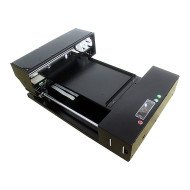
Investing in software that supports 3D mapping is essential for complex shapes. Combine that with a flexible print platform or robotic arms, and you"ll get exceptional results. The [https://www.gnfei.com/products/spot-uv-printing-machine-glossy-uv-coating-printer.html](https://www.gnfei.com/products/spot-uv-printing-machine-glossy-uv-coating-printer.html) machine is an example of a high-end UV printer capable of handling diverse shapes and materials.
Applications of UV Printing on Irregular Objects
- Personalized gifts: Custom bottles, ornament balls, or textured plaques.
- Industrial parts: Marking on irregular machinery components or tools.
- Jewelry and accessories: Printing intricate designs directly onto irregular stones or metal pieces.
- Medical devices: Printing labels or inscriptions on complex shapes like prosthetics or implants.
What to Keep in Mind Before You Get Started
- Experience matters: Mastering UV printing on irregular objects takes practice. Start with simple shapes and gradually move to more complex designs.
- Material compatibility: Not all surfaces work well; always verify UV ink adhesion and durability.
- Budget considerations: Advanced equipment with multi-axis movement or software features may cost more upfront but can save time and expand your product portfolio.
FAQs About UV Printing on Irregular Objects
Can UV printers print on soft or flexible materials?
Some UV printers support printing on flexible surfaces, but it depends on the equipment and ink formulation. Check your printer"s specifications and run tests first.
How durable are UV prints on irregular objects?
UV prints are highly durable, resistant to scratches, UV exposure, and water, making them suitable for outdoor and daily-use items.
What are common challenges when printing on irregular shapes?
Issues include uneven ink coverage, misalignment, or print distortion. Proper fixture setup, software calibration, and choosing suitable materials help mitigate these.
Is special software necessary for printing on 3D objects?
Yes, software with 3D mapping features simplifies complex print jobs. It ensures accurate color placement and minimizes errors on irregular surfaces.
How much does a UV printer capable of handling irregular shapes cost?
Prices vary widely depending on features, size, and capabilities — from affordable desktop models to high-end industrial machines. Consider your project scope and future needs.














Leave a Comment