
From Flat Prints to Textured Effects: What a UV Printer Can Really Achieve
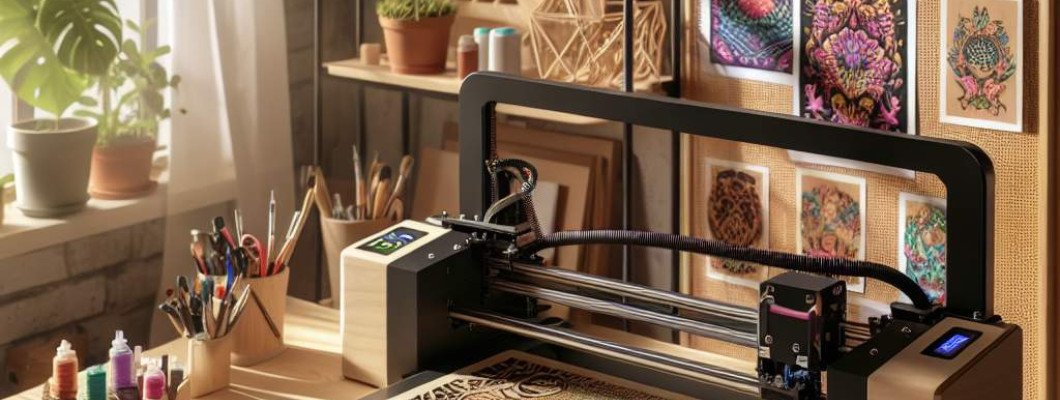
From Flat Prints to Textured Effects: What a UV Printer Can Really Achieve
Are you struggling to make your printing projects stand out in a crowded market? Do you wish your designs could have a more tactile, engaging quality that captures attention at first glance? If so, you're not alone. Many print professionals and businesses wonder how they can push beyond traditional flat printing into innovative textures and effects. That's where UV printing technology comes into play. Understanding what a UV printer can truly achieve can change the way you approach your next project.
What Is UV Printing? A Quick Overview
UV printing is a digital printing process that uses ultraviolet light to cure or dry ink instantly as it is printed onto a surface. Unlike traditional printing, which often relies on layered inks and drying times, UV printing offers immediate results with impressive versatility. With this method, you can print directly onto almost any material, including plastics, glass, metal, wood, and more. This flexibility opens up exciting possibilities—especially when it comes to achieving both flat and textured effects.
Transforming Flat Prints into Textured Masterpieces
One common misconception is that UV printing is limited to creating flat, slick images. In reality, UV printers are capable of producing incredible textured effects that add depth, dimension, and a tactile quality to your designs. Imagine a business card where the logo pops up with a raised texture or a promotional product with a rough, tactile surface that invites touch. These effects are possible thanks to specialized UV inks and the capability of the printer to deposit varying amounts of ink with precision.
What Can a UV Printer Achieve?
- Raised Textures—Simulate embossing or create tactile lettering, patterns, or logos.
- Glossy and Matte Finishes—Combine different finishes for a sophisticated look or to emphasize specific areas.
- 3D Effects—Add depth to images, making them stand out physically and visually.
- Multi-layer Printing—Build textures layer by layer for complex surface effects.
- Material Versatility—Print onto a wide range of surfaces, from acrylic to leather, expanding design possibilities.
Let's think about an example: a custom phone case designed with a textured brand logo that feels raised under the fingertips. This effect not only enhances aesthetic appeal but also adds a tactile feel that can influence customer perception and brand recognition.
Advantages of Using UV Printers for Textured and Flat Prints
Employing UV printers offers notable benefits that traditional printing cannot match. Here are some key advantages:
- Speed and Efficiency: UV inks cure instantly, reducing production times.
- High Resolution and Detail: Achieve sharp images and intricate textures with precision.
- Print on Diverse Materials: From metal to glass, UV printing adapts to many surfaces without pre-treatment.
- Durability: UV-cured prints are highly resistant to scratches, water, and UV rays, making designs last longer.
- Cost-Effective: No need for multiple processes or layers, especially when producing textured effects.
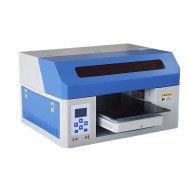
Looking for a versatile printing solution that can handle both flat designs and textured surfaces? Check out the Spot UV Printing Machine. It's engineered to give you exceptional control over glossy finishes and textured effects, enabling you to push your creative boundaries further.
How to Incorporate Textured Effects into Your Projects
Moving from standard flat prints to textured designs requires a strategic approach. Here are some tips to make the most of UV printing"s capabilities:
- Identify Your Design Goals: Decide where texture will add value—logo, background, or specific details.
- Select the Right Materials: Ensure your substrates are compatible with UV inks and will showcase textures well.
- Collaborate with Your Printer Provider: Work with experts to optimize file preparation and settings for textured effects.
- Use Layers Thoughtfully: Combine flat, glossy, matte, and textured layers to create a cohesive design.
- Test and Sample: Always produce proofs to assess how textures will appear and feel before large runs.
Imagine chatting with a friend about doing personalized gifts. They talk about how their customized awards have a luscious, textured logo that feels almost embossed—an impressive effect that became possible thanks to UV printing. It"s this level of detail and feel that makes products memorable.
Practical Applications of UV Printing and Textured Effects
UV printing with textured effects is a game-changer across several industries:
- Branding and Packaging: Textured logos and embossed effects elevate packaging, making brands more memorable.
- Promotional Items: Create tactile business cards, personalized gifts, or awards with raised logos or decorative patterns.
- Interior Decor: Print textured murals or decorative panels that add depth and visual interest to spaces.
- Fashion and Accessories: Embossed leather or fabric designs with textured UV printing create unique fashion pieces.
- Electronics: Custom phone cases or device skins with tactile branding elements stand out from the crowd.
These applications show just how flexible UV printing can be. As you consider harnessing its potential, remember that combining different textures, finishes, and materials opens up limitless creative possibilities.
Final Thoughts: Elevate Your Printing with UV Technology
Your journey from flat prints to textured effects begins with understanding what a UV printer can truly accomplish. This technology isn"t just about quicker turnaround or durability; it"s about transforming ordinary designs into engaging, tactile experiences that resonate with your audience. Whether you"re printing on rigid substrates or flexible materials, UV printing offers an unmatched level of control and creativity.
Ready to unlock new design possibilities? Explore the Spot UV Printing Machine and see how it can help you achieve spectacular textured effects and glossy finishes that leave a lasting impression.
FAQs
1. What materials can be used with UV printing?
UV printers are highly versatile and can print on a wide range of materials including plastics, glass, metal, wood, leather, and certain textiles.
2. How durable are UV printed textures?
UV prints, especially textured effects, are highly resistant to scratches, water, and UV exposure, ensuring long-lasting results.
3. Is special preparation required for textured effects?
While standard files are sufficient, designing for texture involves considering where to add relief or raised areas, often working with your printer provider for optimal results.
4. Can UV printing create full-color, photorealistic textures?
Yes, UV printing can produce detailed, photorealistic textures with vivid colors, thanks to high-resolution capabilities and multi-layer printing options.
5. How does UV printing compare to traditional embossing?
UV printing can mimic embossing and sometimes surpass it by creating complex textures that are integrated directly into the print, with more flexibility and less cost for small batches.
Embracing UV printing technology, especially for textured effects, opens your business to a world of creative and commercial opportunities you didn"t think possible before. The potential to turn ordinary prints into tactile, memorable objects is within your reach now.













Leave a Comment