
FDA & Food-Grade Inks: Your Essential Guide to Coffee Printer Compliance in 2026
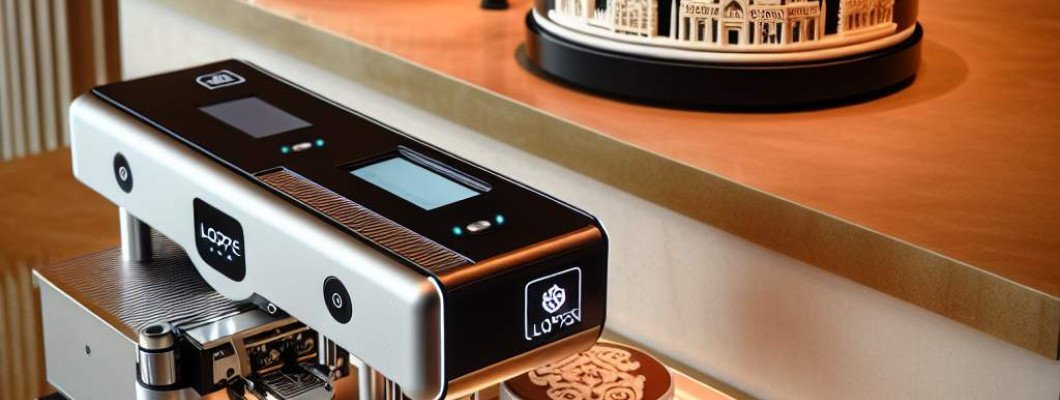
Struggling to ensure your coffee printer complies with FDA and food-grade ink standards? You"re not alone. As a manufacturer or coffee shop owner, navigating the complex world of food safety regulations can be daunting, especially with the 2026 compliance deadline approaching.
When I first started exploring food-grade inks for coffee printers, I was overwhelmed. The rules seemed strict, and I worried about the risks of non-compliance — from product recalls to legal issues. But once I understood the core principles, it became clearer how to meet these standards without disrupting my operations. If you're in the same boat, let me share what I"ve learned about the essential requirements for FDA and food-grade ink compliance in 2026.
Why Food-Grade Inks Matter for Coffee Printing
What Are Food-Grade Inks?
Food-grade inks are specially formulated printing inks that are safe for contact with edible products. Unlike conventional inks, they contain non-toxic, approved ingredients that don"t migrate into the food or drink. For coffee printers, this means you can *print images or logos* directly onto coffee cups, with zero health risks for consumers.
FDA Regulations and Why They Are Critical
The U.S. Food and Drug Administration (FDA) sets strict rules to ensure that inks used on food contact surfaces are safe. Regulations cover ink composition, manufacturing processes, and testing procedures. The standards aren"t just U.S.-centric; many countries enforce similar rules, especially with international trade growing fast.
Failing to adhere could lead to legal action, fines, or damage to your brand reputation. So, understanding the main compliance areas is essential.
Key Elements of Compliance for Coffee Printer Inks in 2026
1. Ingredient Safety and Certification
- Use only approved ingredients: Make sure your ink vendor complies with FDA requirements, such as CFR Title 21, section 175.300 for printing ink.
- Get certifications: Demand certificates of analysis (COA) from your suppliers, showing ingredients are food-safe and compliant.
- Check for batch consistency: Consistent formulations prevent unexpected contaminants or reactions.
2. Manufacturing and Quality Control
- Follow Good Manufacturing Practices (GMP): Ensure your ink provider adheres to GMP to maintain safety and quality.
- Testing and validation: Regularly test inks for migration, leaching, and stability.
- Traceability: Maintain records for each production batch, helpful for audits or recalls.
3. Application and Equipment Standards
Ensure your coffee printer"s hardware and software comply with safety standards to avoid cross-contamination. For instance, using dedicated food contact parts and maintaining hygiene prevents microbial growth and contamination risks.
Check that printing processes don"t exceed temperature or pH limits specified for food-contact inks.
Tips for Staying Ahead of Compliance in 2026
- Partner with reputable suppliers: Only buy inks from vendors who are transparent about compliance and quality assurance.
- Regular training: Keep your staff updated on handling food-safe inks and maintaining hygiene standards.
- Stay informed: FDA regulations evolve; subscribe to industry updates or join trade associations for the latest compliance news.
- Document everything: Proper documentation helps during audits and ensures accountability.
- Prototype testing: Before scaling, test your printing process extensively to confirm safety and durability.
Real-Life Example: Coffee Shop Meets Compliance
I chatted with a local coffee shop owner who started printing logos directly onto cups. Initially, he used standard inks, which was risky. Once he switched to FDA-approved food-grade inks, he saw a boost in customer trust. He worked closely with a supplier to verify certification and adopted a strict cleaning routine for his printer. Within months, he met all compliance standards confidently, even passing audits without issues. That experience made him realize the importance of investing in compliant inks early.
Where to Find FDA-Compliant Food-Grade Inks
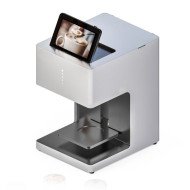
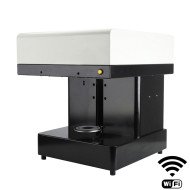
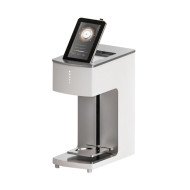
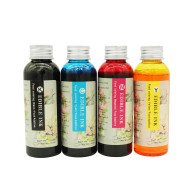
Choosing the right supplier is crucial. One trusted source is GNFEI"s 3D Latte Coffee Printer Food Printer. Their inks are formulated with safety and compliance in mind, helping you meet the upcoming 2026 standards easily.
FAQs About Coffee Printer Food Safety Compliance
1. Are all food-grade inks FDA-approved?
Not necessarily. Look for inks certified specifically for food contact, with proper documentation from your supplier.
2. How often should I test my inks and printing process?
Regular testing is recommended quarterly or after any supplier change to ensure ongoing safety and compliance.
3. Can I switch ink suppliers easily?
Yes, but make sure the new supplier provides valid certifications and complies with all regulations before switching.
4. What documentation do I need for audits?
Certificates of analysis, manufacturing records, test results, and supplier compliance documentation are essential.
5. Is compliance different outside the US?
Many countries have their own regulations, but generally, international standards are similar. Check local authorities" requirements.




Leave a Comment