
Fast-fashion cycles slowing down as dtg printer empowers true on-demand apparel production.
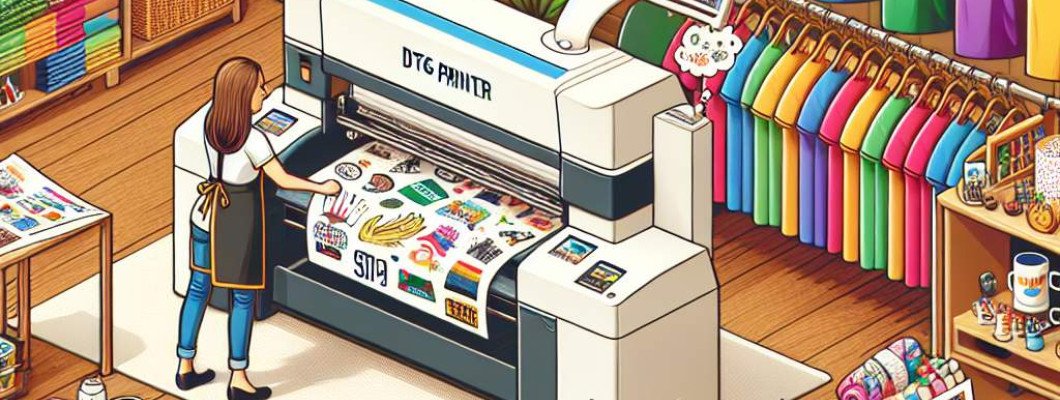
Struggling to keep up with the rapid pace of fashion trends? Wondering how to make your apparel business more sustainable and responsive? The traditional fast-fashion cycle, driven by mass production and quick turnover, is slowing down — and for good reason. The key driver behind this shift is the rise of direct-to-garment (DTG) printing technology, which empowers brands and entrepreneurs to produce **true on-demand apparel**. This innovation is revolutionizing how clothing is made, purchased, and consumed, leading to smarter, more environmentally friendly practices. Let"s dive into how DTG printers are transforming the industry and what it means for your fashion business.
Understanding the Decline of Fast-Fashion Cycles
Fast fashion has long thrived on rapid product cycles, often pushing new styles into stores every few weeks. However, this approach has faced increasing criticism due to environmental concerns, supply chain inefficiencies, and changing consumer preferences. Today, customers seek unique, high-quality, and sustainable clothing options, making the traditional fast-fashion model less appealing than ever. As a result, brands that cling to mass production are experiencing declining sales, excess inventory, and wasted resources.
Meanwhile, consumers are becoming more conscious, willing to wait for personalized or limited-edition pieces. This shift has created an urgent need for brands to adapt, and the answer lies in technology that enables flexibility and sustainability — enter DTG printing.
The Power of DTG Printing in Transforming Apparel Production
Direct-to-garment (DTG) printing allows for **high-quality, on-demand customization** by printing directly onto fabrics with inkjet technology. Unlike traditional screen printing or sublimation, DTG offers several advantages:
- Fast turnaround times: Produce small batches or single items quickly.
- Cost efficiency: Reduce waste and inventory costs by printing only what"s ordered.
- Design versatility: Easily replicate complex images, gradients, and detailed artwork.
- Sustainable practices: Minimize excess waste and use eco-friendly inks.
Imagine talking to a friend who owns a custom apparel shop. She used to invest heavily in large inventories, only to see styles go out of fashion or unsold stock pile up. Now, with a reliable DTG printer, she creates exactly what her customers want, when they want it, without risk or waste. This flexibility has helped her stay relevant and profitable in a competitive market.
How DTG is Reshaping the Fashion Industry
The impact of DTG printers extends beyond individual businesses; it"s reshaping entire industry paradigms. Here"s how:
- From mass production to batch-free manufacturing: Brands can now produce custom items on a per-order basis, reducing overproduction.
- Sustainable fashion: Cutting back on excess inventory lowers textile waste, making fashion more eco-friendly.
- Faster response to trends: Brands can quickly adapt designs, test new ideas, and launch products without long lead times.
- Enhanced customization options: Consumers enjoy personalized apparel — from personalized slogans to unique artwork — increasing engagement and loyalty.
This shift not only benefits the environment but also boosts profit margins, as brands avoid heavy markdowns on unsold inventory. Plus, it opens up new revenue streams through limited-edition collaborations and custom orders.
Implementing DTG for Your Apparel Business
If you"re ready to harness DTG printing technology, here"s a quick guide:
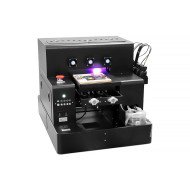
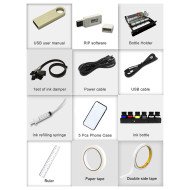
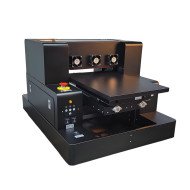
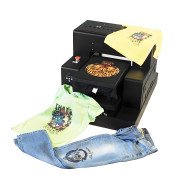
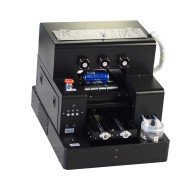
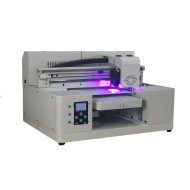
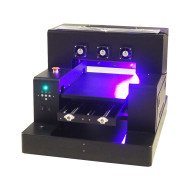
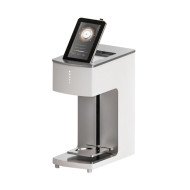
- Select the right DTG printer: Consider factors like print quality, speed, fabric compatibility, and cost. One highly recommended option is the A3 T-Shirt Printing Machine for its versatility and reliability.
- Invest in quality inks and fabrics: Eco-friendly inks and high-quality textiles ensure vibrant prints and customer satisfaction.
- Design for flexibility: Use design software that integrates seamlessly with your printer, enabling complex or simple artwork generation.
- Streamline order processing: Implement an order management system that connects with your printing setup for instant workflow.
- Promote customization options: Market your ability to produce personalized apparel, emphasizing sustainability and quick delivery.
By following these steps, you can transition from traditional mass manufacturing to a more agile, consumer-focused model. The flexibility of DTG printing allows you to test small collections, gauge customer preferences, and adapt quickly, giving you a competitive edge in the evolving fashion landscape.
The Future of Apparel Manufacturing
As technology advances, expect even more disruptive innovations in clothing production. For instance, integration with artificial intelligence and automation will further reduce production times and costs. Plus, a growing demand for eco-conscious fashion will push brands toward transparent, sustainable practices — with DTG printing playing a leading role.
Eventually, the industry may move towards fully on-demand, localized manufacturing hubs that enable instant, meaningful customization. Think of it as your favorite boutique, but with the capabilities of a global factory, all powered by digital technology that minimizes waste and maximizes responsiveness. The slowdown of fast-fashion cycles is just the beginning of this new era.
FAQs About DTG Printing and Sustainable Fashion
1. How does DTG printing compare to traditional screen printing?
DTG offers higher resolution, easier setup for small runs, and greater design flexibility. Screen printing is more cost-effective for large quantities but involves longer setup times and chemical processes, making DTG ideal for on-demand, custom jobs.
2. Is DTG printing eco-friendly?
Yes, especially when paired with water-based, biodegradable inks. It reduces waste by printing only what"s needed, saving resources and minimizing environmental impact.
3. What types of fabrics are compatible with DTG printing?
Most natural fibers like cotton, hemp, and bamboo work well. Blends with polyester may require specialized inks or pre-treatment. Always verify your printer"s compatibility with your fabric types.
4. Can I produce large quantities using DTG?
While DTG excels at small and medium runs, high-volume production might be more cost-effective using traditional methods. However, advancements are making high-volume DTG printing increasingly viable.
5. How can I get started with DTG printing?
Research different printers, assess your budget and needs, and consider training or consultancy from experienced vendors. Starting with a reliable machine like the A3 T-Shirt Printing Machine can provide a strong foundation for your on-demand apparel business.




Leave a Comment