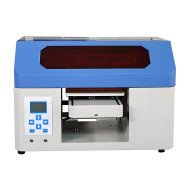
Exploring the True Cost Efficiency of the 38*38CM Heat Press Machine
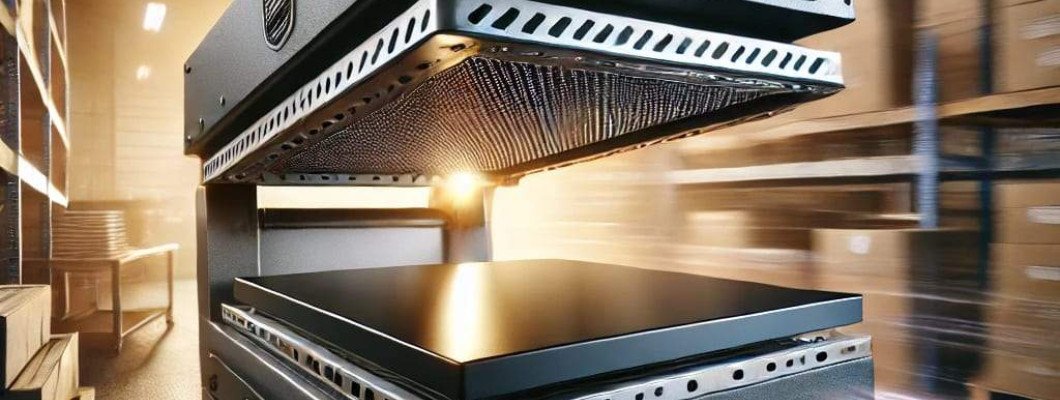
The Industrial Reality of Heat Press Technology
In the competitive world of textile printing, the 38*38CM Heat Press Machine represents a critical tool for small to medium-sized enterprises looking to expand their capabilities. Yet, understanding the financial implications and potential asset depreciation over time can be a significant challenge for business owners. As the machine sees extensive use, calculating its return on investment (ROI) over its operational lifecycle becomes crucial. Maintenance, energy consumption, and potential downtime are key variables that must be considered to fully appreciate its impact on your bottom line.
Technical Deep-Dive into Lifecycle Maintenance Costs
Analyzing the Financial Footprint
The heat press machine, with its compact dimensions of 38x38 cm, is designed for efficiency. However, its tangible and intangible costs can add up. Initial purchase and setup involve CAPEX, while ongoing operational expenses such as electricity (typically around 1500 Watts for this model) fall under OPEX. Calculating these expenses accurately can offer a clearer picture of the machine’s financial demands.
Maintenance Costs and Depreciation
Typically, the heat press machine has a lifespan of 5-7 years, heavily dependent on usage intensity. Regular maintenance, including the replacement of heating elements and pressure platens, mitigates operational hiccups but comes at a cost. A breakdown of these elements along with routine service costs can illuminate the hidden financial pressures of ownership.
Comparative Analysis with Larger Models
| Specification | 38x38 CM Model | 40x50 CM Model |
|---|---|---|
| Wattage | 1500W | 1800W |
| Estimated Lifespan | 5-7 Years | 6-8 Years |
| Annual Maintenance Cost | $200 | $250 |
| Depreciation Rate | 15% / Year | 12% / Year |
Electricity and Environmental Considerations
Operating at 1500 Watts, the machine’s energy consumption is moderate. However, sustainability concerns necessitate an analysis of its energy efficiency. Energy-efficient models can significantly reduce operational costs over time, reflecting in ROI calculations.
The Technology’s Secondary Market Value
Typically, resale values for heat press machines decline rapidly after initial purchase. A 5-year-old machine might retain only 30% of its original value. The pace of technological advancement exacerbates this depreciation, making early and strategic reinvestment decisions crucial.
Scenario Analysis of Business Use-Cases
For scalable business owners, the heat press machine represents an opportunity to diversify product lines without substantial initial investment in industrial-scale equipment. However, its financial viability varies among different operational contexts.
Case Study 1: Small Business Expansion
A small business adds the 38x38 CM machine to efficiently produce custom apparel. By integrating periodic maintenance and efficient energy use into monthly financial planning, the machine quickly becomes a profit center.
Case Study 2: High-Volume Production Facility
In high-volume settings, the machine supports short-run custom orders, but depreciation and frequent wear and tear pose significant financial challenges, necessitating more extensive capital planning.
Case Study 3: Niche Market Operator
For niche operators focusing on specialized items like personalized gifts, this heat press offers flexibility with minimal overhead. Despite lower volumes, strategic pricing covers maintenance expenses, ensuring profitability.
Expert FAQ for the Heat Press Machine
What are the common failure points in a 38x38CM heat press?
Pressure sensors, heating elements, and electrical wiring are frequent failure points due to constant stress and thermal cycles.
How does wattage affect operational efficiency?
Higher wattage can lead to quicker heating times but increases energy costs. Balancing wattage and efficiency is crucial for sustainability.
What role does maintenance play in extending lifespan?
Regular maintenance significantly extends the lifespan by preventing component degradation, maintaining accuracy and efficiency.
Are there industry standards for heat press technology?
Certain standards exist, focusing on safety and energy consumption, guiding manufacturers in producing compliant, efficient machines.
How does one calculate the machine's ROI?
Calculating ROI involves assessing initial costs against profits generated, factoring in operational expenses, depreciation, and energy consumption.
Strategic Verdict on Heat Pressing Technology
The 38x38CM heat press machine offers a potent blend of flexibility and efficiency for small to medium enterprises. Despite depreciation and maintenance costs, carefully managed operations can maximize return on investment. As technology evolves, staying informed on advancements will ensure this tool remains a valuable asset in the production ecosystem.