Exploring the Reality of Rose Flower Printing Technologies
The Industrial Reality
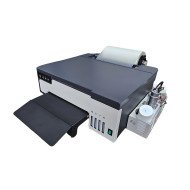
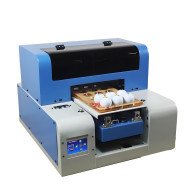
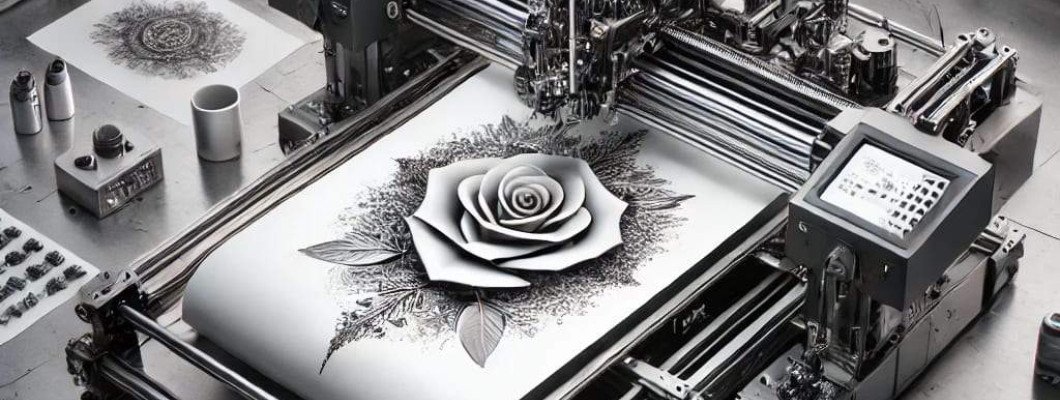
In the realm of specialized printing technologies, the Rose Flower Printer stands as an intriguing example of integrating biological aesthetics with industrial precision. Business owners often seek solutions that not only captivate but also deliver consistent results. However, the challenge lies in navigating the fine line between high-precision printing and the delicate nature of organic substrates. The Rose Flower Printer, while cutting-edge, exposes several inherent operational bottlenecks that require strategic consideration.
The complexity begins with substrate compatibility. Flower petals present a unique challenge due to their variable surface tension and porosity. Unlike traditional paper or synthetic substrates, flower petals can absorb ink inconsistently, leading to variable color fidelity and precision. This reality forces operators to reassess maintenance schedules and cleaning protocols to prevent ink smudging and ensure consistent print quality.
Technical Deep-Dive
Ink Chemistry: Challenges and Solutions
The ink used in Rose Flower Printers must balance vibrancy and adhesion. Given the organic nature of the substrate, these inks require specific chemical formulations to prevent bleeding and ensure color stability. The chemistry involves complex interactions between pigment particles and binders, making precise manufacturing controls essential.
Printhead Precision
Printhead technology must achieve micron-level precision to accurately transfer the design without damaging the petals. Printheads with resolutions exceeding 2400 dpi are typically required. The physics involved, including droplet ejection force and angle, are critical in maintaining the integrity of both the printhead and the floral substrate.
Comparative Hardware Analysis
| Spec | Standard Printhead | Rose Flower Printer Printhead |
|---|---|---|
| Resolution | 1200 dpi | 2400 dpi |
| Droplet Size | 20 pl | 8.5 pl |
| Substrate Compatibility | Synthetic | Organic |
Thermal Management Issues
Thermal management is a critical factor, as the heat generated by high-density printing can cause distortion in delicate petals. Advanced cooling technologies must be integrated, often involving adaptive thermal control systems that monitor and adjust in real-time.
Supply Chain Dependencies
The specialized nature of these printers means that supply chain considerations are not trivial. Many components are sourced from niche manufacturers, predominantly located in Asia, raising concerns about lead times and geopolitical disruptions.
Scenario Analysis
Consider a high-end florist looking to produce custom printed roses for an event. The Rose Flower Printer must deliver impeccable quality fast. However, the intricacies of substrate handling and printhead alignment could lead to delays. In this scenario, the operational bottlenecks discussed earlier play out, impacting the delivery timeline.
In another scenario, a research lab uses the technology to study gene expression in petals. Here, precision in printing is paramount for accurate results. The higher dpi and smaller droplet size of the Rose Flower Printer offer advantages, albeit with increased maintenance requirements.
Lastly, a marketing firm might use it for brand activation campaigns involving personalized floral gifts. The ability to produce sharp, vibrant logos on petals is a unique selling proposition, yet the execution demands a meticulous setup and frequent calibration.
Expert FAQ
Q1: How does ink formulation affect print quality? A1: The chemical composition of the ink, including pigments and binders, plays a crucial role in adhesion and color stability, which are vital for organic substrates like flower petals.
Q2: What maintenance routines are essential? A2: Regular cleaning of printheads and calibration of thermal management systems are necessary to avoid clogging and overheating, ensuring continuous optimal performance.
Q3: How does thermal management technology work? A3: Adaptive thermal systems use real-time sensors to monitor the temperature of both the printhead and the substrate, adjusting cooling processes to prevent damage.
Q4: Why is high dpi important? A4: High dpi ensures fine detail and sharpness, which is particularly important when printing on uneven surfaces like petals where precision is key.
Q5: What are the supply chain risks? A5: Dependency on Asian manufacturers for specialized components can lead to vulnerabilities in supply availability, especially during geopolitical tensions or pandemics.
Strategic Verdict
The Rose Flower Printer represents a fascinating merger of art and technology. While it promises unparalleled precision and aesthetic output, it demands careful operational management and foresight. As the industry progresses, further innovations in substrate compatibility and thermal management will likely drive this technology's evolution, potentially expanding its applicability beyond its current niche.