Exploring the Infrastructure Challenges of Heat Press Machines
The Industrial Reality
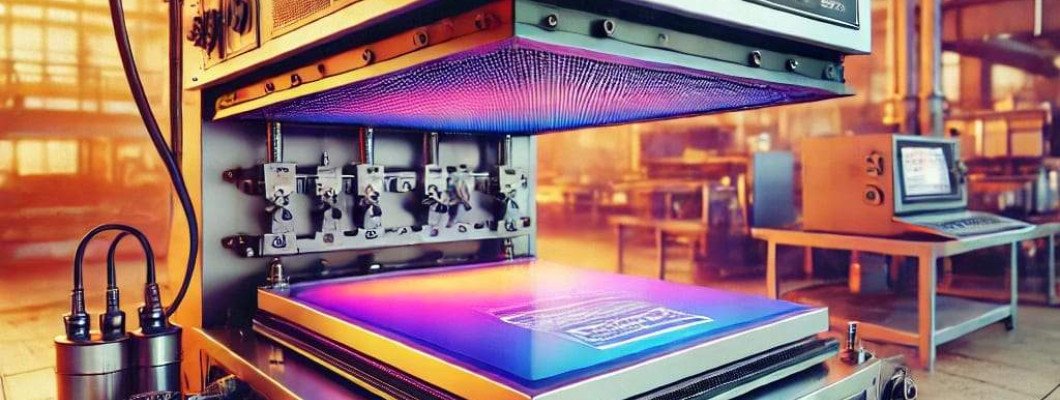
In today's high-paced production environments, the integration of machinery like the 40*60CM Heat Press Machine into existing infrastructure poses significant challenges. These machines are pivotal in industries ranging from textiles to promotional goods; however, their integration is more than just a plug-and-play scenario. Key issues such as space allocation, electrical requirements, and ventilation need precise planning and execution to avoid operational bottlenecks.
The heat press requires a dedicated space with consideration for adequate ventilation due to the high temperatures it reaches, typically around 200°C. Without proper ventilation, heat accumulation can lead to increased wear on parts, impacting the machine's life cycle and posing safety risks.
Technical Deep-Dive
Electrical Load Analysis
The electricity consumption of a 40*60CM heat press machine is substantial, often needing a 220V supply line with appropriate amperage. Drawing approximately 1.5 to 2.0 kW, businesses must assess their electrical infrastructure to prevent overloads that can cause system failures or increased maintenance costs.
Thermal Management Considerations
The heat press’s operation at sustained high temperatures necessitates efficient thermal management. Proper air circulation systems, possibly involving industrial-grade fans or HVAC adjustments, ensure heat is dissipated effectively, maintaining machine efficiency and operator safety.
Space Allocation and Workflow Integration
Optimally positioning a heat press within a production layout requires strategic planning. With dimensions typically around 40cm by 60cm, additional space is needed for operator movement and material handling. Mismanagement of space can lead to workflow inefficiencies, reducing throughput.
Maintenance Cycles and Wear Parts
Regular maintenance is crucial in extending the life of a heat press. The heat platen, for instance, should be inspected and cleaned regularly to maintain even heat distribution, essential for consistent production quality. The average life expectancy of a heat platen might range from 3 to 5 years depending on usage.
Comparative Hardware Analysis
| Specification | 40*60CM Heat Press | Alternative Model |
|---|---|---|
| Max Temperature | 200°C | 180°C |
| Power Requirement | 1.5 - 2.0 kW | 1.2 kW |
| Weight | 35 kg | 30 kg |
| Dimensions | 40*60 cm | 30*50 cm |
| Typical Lifespan | 5 years | 4 years |
Scenario Analysis
Small Business Setup
For small businesses, integrating a 40*60CM heat press machine often means reallocating space in limited environments. They must plan for both the machine's footprint and the additional workspace needed for efficient operation.
Large Scale Production
In large-scale operations, the challenge shifts to scale-up integration, where multiple machines might be used. This scenario requires sophisticated electrical grid management and spatial logistics to maintain production without interruption.
Custom Niche Market Production
Niche markets often utilize these machines for custom jobs requiring high precision and low volume. Here, the focus is on maximizing the machine's output quality, demanding meticulous upkeep and precise operational parameters.
Expert FAQ
What is the most critical maintenance task?
Ensuring the heat platen is clean and has even heat distribution is vital for consistent quality output.
How does power consumption affect operational costs?
Higher power consumption translates directly to increased energy costs, necessitating a review of operation times and electric rate plans.
What are the safety considerations?
Proper ventilation and insulation around the machine are crucial to avoid overheating and potential hazards.
How do ambient conditions affect performance?
Ambient temperature and humidity can impact adhesive reactions and material handling, making climate-controlled environments preferable.
What is the expected lifespan of key components?
With regular maintenance, essential components like the heat platen can last up to 5 years under normal usage conditions.
Strategic Verdict
The evolution and integration of heat press machines like the 40*60CM model define a critical aspect of industrial and small-scale production lines. As manufacturing becomes increasingly automated and precise, understanding the infrastructure challenges becomes essential for sustainability and efficiency. By addressing thermal management, electrical requirements, and spatial logistics, businesses can optimize their operations, ensuring long-term productivity and safety.