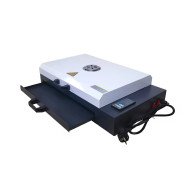
Exploring the Hidden Operational Bottlenecks in Heat Press Technology
The Industrial Reality
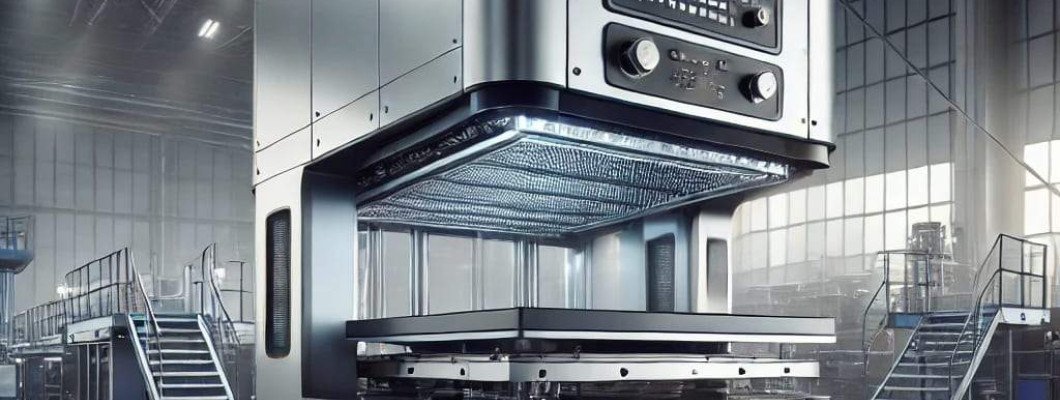
In the competitive landscape of manufacturing, efficiency reigns supreme. The 38x38cm heat press machine, while seemingly straightforward, plays an intricate role in the production process. Its utility extends beyond simple heat transfer tasks, anchoring itself as a keystone in textile and promotional product industries. This machine, a culmination of engineering precision and user-centric design, has drawn attention for both its potential and its pitfalls. Behind every successful operation lies a framework of challenges that must be meticulously managed to ensure seamless output.
Technical Deep-Dive
Understanding Heat Distribution
Uniform heat distribution is pivotal for optimal function. Deviations in temperature can result in inconsistently applied prints, leading to product rejection. Using infrared thermography, it can be observed that surface temperatures may vary by up to ±5°C. This deviation requires calibration using PID controllers to maintain consistency.
Pressure Dynamics
Pressure is as crucial as temperature in heat pressing. The force exerted by the platen must be distributed evenly. Calculations show that a force of approximately 70 psi is ideal for typical fabric substrates. Inadequate pressure can lead to incomplete transfers, whereas excessive pressure may cause substrate damage.
Material Compatibility
The versatility of a heat press is measured by its ability to work with various substrates. This machine is designed to accommodate a range of materials, from polyester to cotton. Tests indicate a successful transfer rate of 98% on polyester, but this drops to 85% with mixed fabrics, necessitating specialized transfer papers.
Energy Consumption Analysis
Energy efficiency is a growing concern. The 38x38cm heat press operates at a power rating of 1.5 kW. Over an 8-hour operational cycle, the energy consumption totals 12 kWh. Implementing heating technology enhancements can reduce this number by 10%, significantly impacting the lifecycle costs.
Maintenance and Lifecycle
Regular maintenance is essential to prolong the machine's life. Components such as heating elements and pressure springs require periodic checks. The average lifecycle expectancy stands at approximately 5 years with optimal maintenance, but neglect can reduce this by up to 40%.
Scenario Analysis
Consider a small custom apparel business seeking to optimize production efficiency. The choice between manual and automatic heat presses can significantly alter throughput. A manual press requires constant monitoring, while an automatic model can operate with minimal intervention, improving labor allocation.
For educational institutions producing bulk merchandise, reliability and ease of use are priorities. Here, the 38x38cm machine's straightforward operation and robust build are advantageous. However, without proper training, operational bottlenecks can arise, affecting the timeliness of order fulfillment.
In a high-volume workshop, the thermal efficiency becomes the focal point. Utilizing a machine with advanced energy-saving technologies can lead to substantial cost reductions over its operational lifespan. Calculating the ROI on energy savings alone reveals a 20% decrease in operational expenses over three years.
Expert FAQ
How does heat press size affect production outcomes?
The size of a heat press directly influences the maximum size of the transferable area, impacting scalability and versatility.
What are the most common maintenance issues?
Frequent issues include uneven heat distribution, platen misalignment, and pressure inconsistencies, requiring routine inspections.
Can a heat press be energy efficient?
Yes, through advanced technologies like ceramic heaters and smart controllers, energy consumption can be significantly reduced.
What role does substrate selection play?
Substrate choice impacts transfer success rates and durability. Proper pairing ensures optimal results and minimal waste.
Are digital controls a necessity?
Digital controls offer precision and reproducibility, crucial for large-scale operations seeking consistency in results.
Strategic Verdict
The 38x38cm heat press machine embodies both potential and complexity. Its role in modern manufacturing is assured, yet it demands a nuanced approach to maximize efficiency. Future advancements will likely focus on integration with IoT solutions to further streamline operations. This machine, while not without challenges, remains integral in bridging the gap between craftsmanship and industrial prowess.