Exploring the Gap Between DIY and Industrial-Grade in Laminating Technology
The Industrial Reality
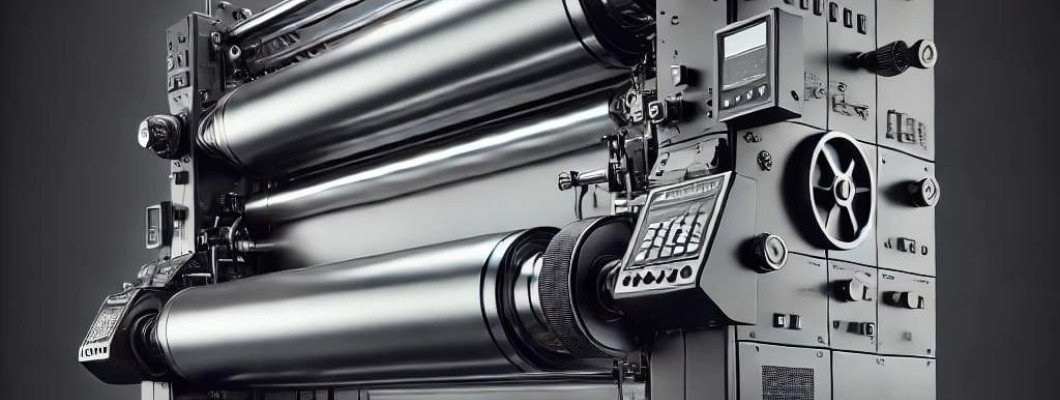
In the realm of printing and lamination technologies, the Roll Laminator Single Side Laminating Machine stands as a pivotal device. Industrial operations often encounter the challenge of balancing efficiency with quality, particularly when choosing between DIY solutions and industrial-grade machines. This paper dissects those variances, revealing hidden complexities that can dramatically affect operational throughput and final product quality.
Technical Deep-Dive
Precision and Output Quality
What sets industrial-grade laminators apart is their consistent output quality. While DIY models operate at lower laminate thickness ranges (typically 30-150 microns), industrial machines like this one cover a spectrum up to 250 microns, providing enhanced durability.
Operational Throughput
Industrial laminators boast higher throughput, processing up to 300 meters of laminate per hour, compared to DIY alternatives which max out around 50 meters. This efficiency is crucial in high-volume environments where time equates to cost savings.
Material Versatility
Although DIY laminators can handle basic substrates, industrial models are designed for a broader range, including PVC, polyester, and composite materials. This flexibility reduces the need for multiple machines, optimizing space and cost.
Technical Reliability
Reliability is a hallmark of industrial laminators, constructed with robust components capable of enduring 10,000 operational cycles before maintenance. This contrasts starkly with the average DIY machine's cycle limit of around 1,500.
Energy Consumption
While more powerful, industrial units maintain efficient energy consumption, often utilizing 1-2 kWh. This efficiency is achieved through intelligent thermal management systems that regulate heat based on real-time demand.
| Feature | DIY Laminator | Industrial Laminator |
|---|---|---|
| Laminate Thickness | 30-150 microns | 50-250 microns |
| Throughput | 50 meters/hour | 300 meters/hour |
| Material Support | Basic Paper | PVC, Polyester |
| Operational Cycles | 1,500 | 10,000 |
| Energy Use | 1-2 kWh | 1-2 kWh |
Scenario Analysis
Consider an educational institution that aims to laminate student projects. A DIY laminator may suffice, but it cannot match the speed needed during high-demand periods, leading to potential bottlenecks. In contrast, an industrial-grade machine processes large volumes quickly, catering to peak workloads efficiently.
In a print service provider scenario, the need for diverse substrate handling is critical. A DIY solution cannot support the requisite material diversity, risking project limitations. Industrial laminators offer the necessary versatility, eliminating downtime caused by switching machines.
Small businesses face initial budget constraints, often opting for DIY machines. However, the long-term perspective reveals higher downtime and maintenance costs with DIY machines, making industrial laminators a more cost-effective choice in the long run.
Expert FAQ
1. How does laminate thickness impact durability? Thicker laminates offer superior wear resistance, essential for long-lasting materials.
2. Can industrial laminators accommodate digital workflow integration? Yes, many feature digital interfaces for seamless integration with modern workflows.
3. What maintenance is required for industrial laminators? Routine checks every 10,000 cycles are recommended, focusing on roller lubrication and thermal element inspection.
4. Are energy savings significant over time? While consumption is similar to DIY machines, the efficiency of industrial units reduces operation time, leading to overall energy savings.
5. How does material versatility benefit operations? It minimizes downtime and equipment changes, enhancing productivity and reducing costs.
Strategic Verdict
The Roll Laminator Single Side Laminating Machine exemplifies the critical divide between DIY and industrial-grade solutions. As the industry evolves towards more diversified and high-volume demands, the need for robust, reliable, and versatile equipment becomes imperative. This machine is well-positioned to adapt to these trends, ensuring future viability and continued operational excellence.