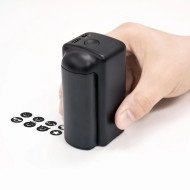
Exploring Operational Bottlenecks in Edible Food Printing

Understanding the Industrial Reality
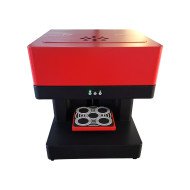
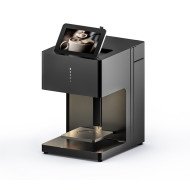
The introduction of edible food printers, specifically the A3 model designed for cake and cookie printing, highlights a significant advancement in culinary technology. However, it is imperative for businesses to recognize the potential operational bottlenecks that could arise when integrating such technology into existing workflows.
Technical Deep-Dive
Precision and Calibration Challenges
The A3 edible food printer requires meticulous calibration to ensure optimal print quality. Variances in ingredient viscosity can affect printhead precision, necessitating regular adjustments. The printer achieves a resolution of 1200 dpi, demanding precise synchronization between the feed mechanism and printheads.
Integration with Existing Infrastructure
Integrating the A3 printer into current infrastructure involves thermal management and network compatibility considerations. With a power draw of 500 Watts and a footprint of 2 RU, ensuring adequate cooling systems and server space becomes crucial.
Raw Material Specification and Variability
The printer utilizes specialized edible inks and substrates, each with unique chemical compositions. Temperature fluctuations during printing can affect ink stability. Manufacturers must track the specific gravity (1.02 g/cm³) of inks to maintain consistency.
Maintenance Cycle Complexity
The A3 printer's printhead requires routine cleaning to prevent clogging. This maintenance results in a downtime of approximately 1 hour per week. The printer also supports operational consistency with a maximum output of 20 kg/day.
Comparative Performance Metrics
| Specification | A3 Printer | Traditional Methods |
|---|---|---|
| Resolution | 1200 dpi | 300 dpi |
| Daily Output | 20 kg | 10 kg |
| Power Consumption | 500 Watts | 250 Watts |
Scenario Analysis
Artisan Bakery Adoption
An artisan bakery incorporating the A3 printer could encounter increased precision needs, requiring skilled technicians for optimal printer operation.
Corporate Catering Services
Large-scale catering services benefit from the printer’s high output, though they face potential delays during peak production cycles due to ink variability.
Food Manufacturing Plants
Integration at a manufacturing facility allows for streamlined production but necessitates extensive training and workflow reengineering for effective utilization.
Expert FAQ
What is the optimal temperature for edible ink stability?
Maintaining a printing environment at 22°C ensures ink consistency.
How often should the printhead be serviced?
Weekly service is recommended to maintain precision.
Can the printer operate with non-standard substrates?
Compatibility with custom substrates requires extensive testing for adhesion and print quality.
What network capabilities are required?
Connectivity demands include a robust server rack with high-speed data transfer capability.
What training is essential for effective operation?
Technicians should undergo comprehensive training in printer calibration and maintenance.
Strategic Verdict
The A3 edible food printer represents a significant leap forward in edible printing technology. However, the integration challenges and operational nuances require strategic planning and careful execution. As the industry evolves, these bottlenecks must be addressed through technological advancements and enhanced skill development.