Exploring Infrastructure Integration Challenges with Edible Food Ink
The Industrial Reality of Edible Ink
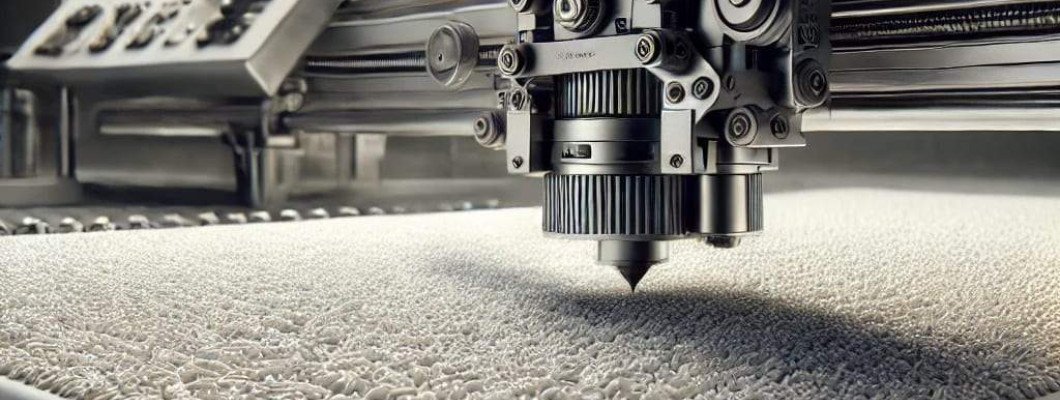
The integration of edible food ink into industrial-scale printing processes presents unique challenges. While the technology offers innovative applications, particularly in the food and beverage industry, integrating it with existing infrastructure is not straightforward. The obstacles range from ensuring compliance with food safety standards to adapting existing machinery to handle the unique properties of edible inks.
Consider a large-scale confectionery manufacturer aiming to personalize chocolate decorations with edible ink. The transition involves not only installing new printing hardware but also re-evaluating production workflows and ensuring food-grade compliance across all stages.
Understanding Edible Ink's Properties
Chemical Composition and Safety
Edible inks are composed of food-grade colorants and solvents designed to be ingested. Unlike traditional inks, the chemical formulation must comply with stringent food safety regulations, posing challenges in terms of availability and regional compliance. These inks must withstand various substrate surfaces like fondant, icing sheets, or direct application on foods.
Thermal Management
In contrast to regular inks, edible inks require a controlled thermal environment to prevent coagulation or color degradation. This limitation impacts existing thermal management systems in printing operations, necessitating modifications to maintain optimal viscosity and flow.
Ink Viscosity and Printhead Performance
With a consistency that differs significantly from traditional inks, viscosity plays a crucial role in printhead performance. Standard printheads may suffer from frequent clogging, requiring higher precision mechanics and regular maintenance to ensure consistent output.
Hardware Comparisons: Industrial vs. DIY
| Aspect | Industrial-Grade Equipment | DIY Solutions |
|---|---|---|
| Printhead Compatibility | High-grade ceramic heads, optimized for edible inks | Standard plastic heads, frequent clogging with edible inks |
| Thermal Management | Advanced thermal controls for viscosity optimization | Basic thermal settings, leading to ink degradation |
| Compliance | Certifications for food safety across all processes | Limited compliance, requiring additional verifications |
Impact on Infrastructure
Integrating edible ink technology requires an upfront investment in compatible hardware and possible retrofitting of existing machines. The return on investment can be significant when matched with the demand for personalized food products. However, the possibility of high initial costs and complex integration creates a potential bottleneck.
Scenario Analysis: Business Applications
Case 1: Large-Scale Bakery
A bakery integrating edible ink prints customized designs on cakes. The challenge lies in ensuring consistent print quality on unsteady surfaces, requiring high-precision printers and substrate adapters.
Case 2: Beverage Company
Personalized cocktails with edible ink printed logos present an appealing novelty. The integration challenge is maintaining the ink's stability in liquids, which demands specialized ink formulations.
Case 3: Confectionery Corporation
Mass production of branded chocolates involves rapid and precise printing. The complexity arises from the need to standardize ink application without sacrificing speed, necessitating advanced conveyor systems and precise alignment mechanisms.
Expert FAQ
1. How does temperature impact edible ink viscosity?
Temperature affects ink viscosity dramatically, necessitating precise thermal control systems to maintain consistency.
2. Are there specific substrates ideal for edible printing?
Substrates like fondant, sugar paper, and icing sheets provide optimal surfaces for edible printing, minimizing absorption and spreading.
3. How do maintenance cycles differ from traditional inks?
Maintenance cycles are more frequent due to the potential for bacterial growth and clogging, requiring specialized cleaning protocols.
4. Can existing printers be retrofitted for edible inks?
Retrofitting is possible but often requires significant overhaul of thermal systems and printhead technologies.
5. What are the compliance challenges?
Ensuring adherence to food safety regulations at every production stage is paramount, often creating logistical and certification hurdles.
Strategic Verdict
The integration of edible food ink in industrial settings is a burgeoning field with substantial growth potential. However, it is fraught with challenges that hinge on adapting existing infrastructure and ensuring regulatory compliance. While the opportunities for personalization in food products are immense, the financial and logistical investment required mandates careful strategic planning. As the technology evolves, anticipating and navigating these integration challenges will be vital for any business aiming to capitalize on this innovative application.