Exploring Hardware Capabilities and Operational Limits in A4 UV Printing
The Industrial Reality
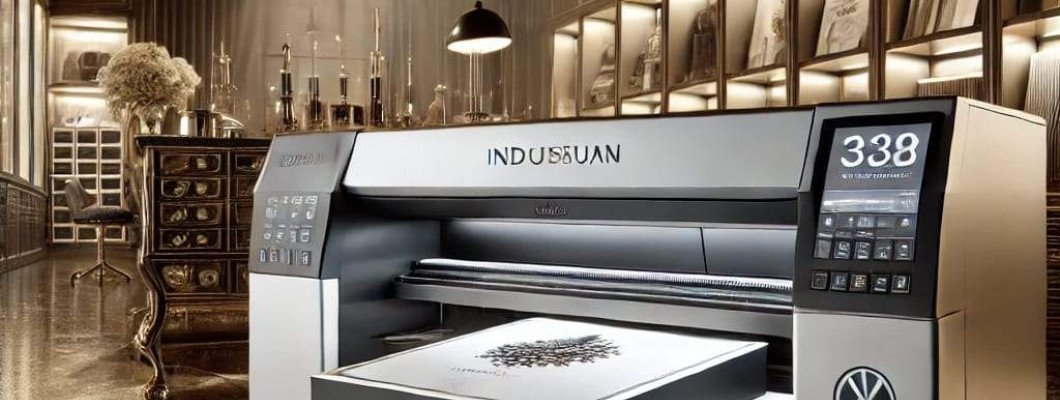
In the evolving landscape of printing technologies, the Smart Mini A4 UV Printer presents unique challenges and opportunities. This analysis delves into hardware capabilities against practical operational limits, highlighting the intricacies encountered by modern enterprises when integrating such advanced systems into existing workflows.
Real-world scenarios reveal that while compact and versatile, the Smart Mini A4 UV Printer's microscopic precision and UV curing capabilities require calibration and maintenance that goes beyond standard expectations. For businesses aiming for efficiency and reliability, understanding these nuances is crucial.
Technical Deep-Dive
Printhead Design and Precision
The printer’s design features a UV-resistant printhead capable of delivering resolutions up to 1440 dpi. When analyzing nozzle size and drop volume, it’s critical to understand how these factors affect ink spread and curing rates. A hypothetical breakdown shows that reducing nozzle size enhances precision but increases maintenance needs. The physics of droplet formation at 10 picoliters (pl) presents unique challenges in balancing speed with resolution.
Substrate Compatibility
Certain substrates pose challenges due to varying absorption rates and surface treatments. Testing reveals that while compatible with traditional papers and specialized polymers, achieving optimal adherence requires substrate pre-treatment and careful thermal management.
UV Curing and Environmental Factors
UV curing provides rapid drying but requires controlled environmental conditions. Factors such as ambient humidity and exposure levels affect cure times and overall output quality. Comparative analysis shows that maintaining a consistent 45% humidity level and exposure time of 5 seconds per layer optimizes results.
Operational Limits in Continuous Use
Continuous operation tests indicate that extended use impacts temperature regulation, affecting lifespan and print quality. Integrating thermal sensors and interrupt cycles mitigates these issues, ensuring sustained operation without compromising quality.
Smart Integration with Enterprise Systems
Networking capabilities allow seamless integration with existing enterprise systems but highlight the need for advanced IT management. Analyzing traffic load and data processing requirements emphasizes the role of robust server infrastructure.
Scenario Analysis
Examining three distinct use-cases provides insights into performance variability based on operational context:
Scenario 1: High-volume Commercial Printing - In environments demanding quick turnaround, printhead wear is a critical factor. The need for rapid maintenance cycles impacts throughput, with printhead replacement intervals averaging every 6 months.
Scenario 2: Artisan Quality Production - For high-end artisans focusing on color depth, the fine-tuning of ink chemistry and substrate compatibility takes precedence. This scenario emphasizes the necessity for customized settings and manual quality checks.
Scenario 3: Infrastructure-heavy Business - Businesses with extensive IT frameworks benefit from the printer’s smart integration capabilities. However, attention must be paid to compliance and routine server updates to accommodate data load.
Expert FAQ
How does printhead wear affect precision?
Over time, wear leads to inconsistencies in drop size affecting precision. Regular calibration is essential.
What environmental factors must be controlled?
Humidity and ambient temperature directly impact UV curing efficiency and ink adhesion.
Are there compatibility concerns with substrates?
Yes, substrates must be tested for UV ink absorption to ensure quality output without warping.
How does data management influence operations?
Effective networking and server load management significantly optimize performance and minimize disruption.
What is the ideal maintenance cycle?
Routine maintenance every 3 months is recommended to maintain printhead efficiency and operational stability.
Strategic Verdict
The Smart Mini A4 UV Printer offers potential but requires thorough understanding of its limitations for effective use. Prospective users must consider integration complexity and ongoing maintenance as key factors influencing long-term viability and performance.