Examining the Infrastructure Integration of the Smart Nail Printer

The Industrial Reality
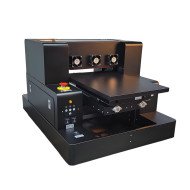
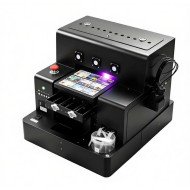
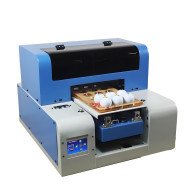
In the world of innovative cosmetics manufacturing, the Smart Nail Printer Machine with Touch Screen emerges as a sophisticated piece of technology. As businesses contemplate its adoption, they face the challenge of integrating this device into existing infrastructure. From power supply compatibility to network bandwidth considerations, the deployment of this machine poses nuanced integration challenges.
Technical Deep-Dive
Power Supply and Connectivity Concerns
The Smart Nail Printer requires a precise power input of 200 Watts. Networks must accommodate its dynamic voltage range from 100V to 240V, ensuring seamless operation with varying power sources across regions. The absence of power fluctuations is critical for maintaining print quality.
Data Transfer Efficiency
With its built-in touch screen, the printer relies heavily on data-intensive processes. It demands an uninterrupted data rate of 10 Mbps to ensure image precision at 1200 dpi. Routers and Ethernet connections must support this specification to prevent bottlenecks.
Software Integration Interfaces
The machine’s API compatibility with existing systems can determine the ease of integration. Enterprises must evaluate the printer’s compatibility with their current operating systems, particularly in hybrid cloud environments. Ensuring API stability mitigates risks associated with software updates.
Spatial Constraints and Accessibility
At a compact footprint of 500 mm x 300 mm, spatial planning is crucial in adapting workspaces for the printer’s installation. Accessibility for maintenance, user interaction, and daily operations needs thoughtful consideration to maximize efficiency.
Environmental Impact
Compliance with international environmental regulations, particularly those focusing on emissions and waste management, is non-negotiable. The machine's production involves sustainably sourced materials, aligning with eco-friendly standards.
Scenario Analysis
Businesses considering this printer must evaluate several scenarios. For small nail salons, the printer’s space efficiency and ease of use enable a quick turnaround, enhancing customer satisfaction with custom designs at 600 dpi. In contrast, medium-sized enterprises benefit from its seamless integration into high-speed networks, enhancing workflow through enhanced print speeds of up to 20 nails per session in under 15 minutes. Large corporations face challenges in scaling the device across multiple branches, where infrastructure disparities could affect performance.
Expert FAQ
Q1: What power specifications are necessary?
A1: The printer demands a dynamic voltage handling from 100V to 240V with 200W power consumption.
Q2: How does data transfer impact performance?
A2: A stable 10 Mbps rate is crucial for optimal image transfer and print clarity.
Q3: What API compatibility is vital?
A3: Compatibility with current enterprise-level systems ensures smooth updates and operational stability.
Q4: What are the spatial requirements?
A4: The printer's compact design at 500 mm x 300 mm must be accommodated within existing workspace layouts.
Q5: Are there environmental compliance concerns?
A5: Yes, compliance with global emissions and waste management standards is mandatory.
Strategic Verdict
The trajectory of the Smart Nail Printer within the manufacturing sector hinges on advanced infrastructure integration capabilities. Adaptability to power, network, and spatial demands are paramount. As technology continues to evolve, the emphasis will likely shift toward even greater environmental compliance and AI-driven precision in print technology, shaping the future landscape of cosmetic manufacturing.