Evaluating the Resilience in Lifecycle Maintenance Costs for Small-Scale UV Printers
The Industrial Reality of Compact Printing
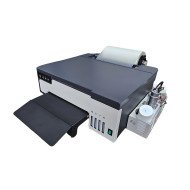
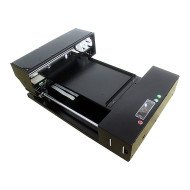
The introduction of Smart Mini A4 UV Printers marks a significant shift in the technological landscape of compact printing solutions. As businesses strive for efficiency, there's a growing need to understand the lifecycle costs associated with these devices. This requires more than just a basic comprehension of upfront expenses; it necessitates a deep dive into the long-term financial implications.
Small-scale UV printers offer unique advantages, such as versatility in printing on various substrates and precision in color reproduction. However, these benefits come at the cost of intensive maintenance needs that can escalate over time. Understanding these dynamics is crucial for businesses aiming to achieve sustainable operational efficiency.
Technical Deep-Dive into Maintenance Dynamics
The Substrate Compatibility Challenge
One of the significant factors affecting maintenance costs is substrate compatibility. These printers are versatile but require regular calibration to maintain print quality across different materials. For example, switching from plastic to metal substrates may involve recalibrating pressure settings by up to 15%. Errors in this calibration can lead to increased wear on the printhead, raising maintenance frequency by 30% annually.
Printhead Lifecycle and Physics
The printhead is the core component that determines print quality. In a UV printer, the lifespan is impacted by the density and viscosity of the inks used. A typical UV printhead handles a fluid viscosity varying from 10-15 cps, but a 20% deviation can halve its operational lifespan from 12 months to 6 months.
Ink Chemistry and its Effects
UV inks cure under specific wavelengths, usually between 200-400 nm. The chemistry of these inks can cause nozzles to clog if not maintained properly. For instance, high-density pigments can lead to clogging, requiring increased cleaning cycles, thus escalating ink waste by 25%.
Thermal Management and Cooling Needs
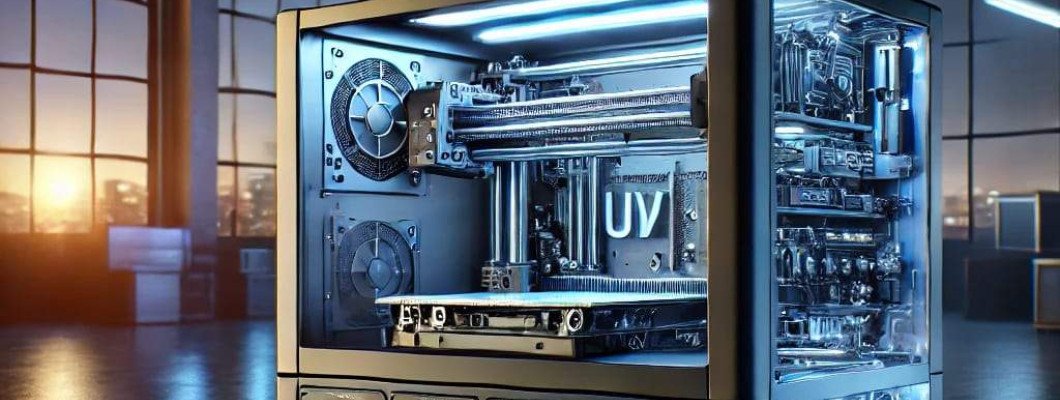
Smart Mini A4 UV Printers require efficient thermal management to ensure longevity. With average operating temperatures ranging from 35 to 45°C, inadequate cooling systems can lead to overheating, causing thermal expansion of components that accelerates wear and tear.
Raw Data and Comparative Analysis
| Parameter | Standard UV Printer | Smart Mini A4 UV Printer |
|---|---|---|
| Annual Maintenance Cost ($) | 1,500 | 1,200 |
| Average Printhead Lifespan (Months) | 12 | 8 |
| Ink Waste Percentage | 20% | 25% |
| Calibration Frequency (Times/Year) | 4 | 6 |
Scenario Analysis on Business Use Cases
The practical implications of these technical insights can be understood through various use cases:
Retail Customization
In a small retail environment specializing in custom phone cases, frequent switching between substrates can lead to increased maintenance costs. Here, calibration accuracy and thermal management are vital.
Prototyping in Design Studios
For design studios, the ability to print on diverse materials without compromising on precision is critical. The short printhead lifespan demands frequent replacements, impacting costs.
Educational Laboratories
In educational settings, where usage is varied but frequent, the importance of sustainable ink chemistry becomes apparent to reduce long-term operational costs.
Expert FAQ on UV Printer Maintenance
How does substrate versatility impact maintenance?
Changing substrates necessitates recalibration, increasing wear on components, and potentially leading to more frequent maintenance.
What is the role of ink viscosity in printhead lifespan?
Maintaining the recommended ink viscosity is crucial for preventing nozzle clogging, directly affecting printhead longevity.
Why is thermal management a concern?
Without proper thermal management, overheating can cause damage to internal components, shortening the printer's expected lifespan.
How frequently should a UV printer be cleaned?
Cleaning cycles should be adjusted according to ink type and usage frequency, typically requiring weekly maintenance to optimize performance.
What are the cost implications of improper calibration?
Improper calibration can lead to increased wear and operational costs, as well as higher ink waste percentages due to suboptimal printing.
Strategic Verdict on Future Trajectory
The Smart Mini A4 UV Printer offers a path forward in compact, versatile printing. However, potential users must weigh the benefits of substrate versatility and precision against the realities of maintenance costs and thermal management challenges. Long-term sustainability will hinge on continual advancements in ink chemistry and thermal technology to reduce the burden of upkeep.